

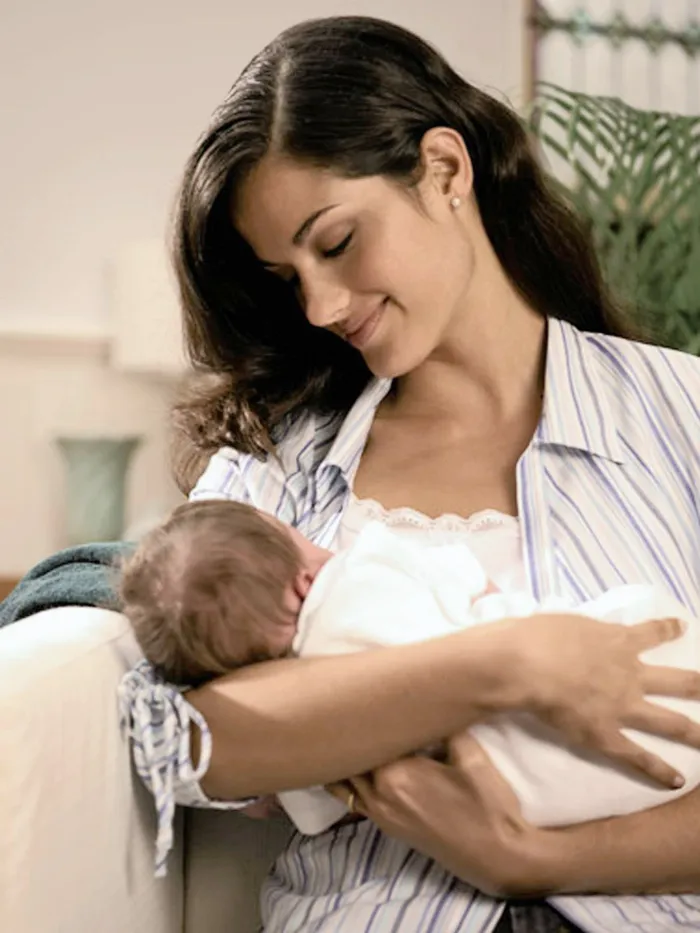
Exclusive breastfeeding of an infant from birth to six months is what is recommended as optimal nutrition.
Image: File
Breastfeeding is one of the most effective ways to ensure a baby’s health, development, and survival in the earliest stages of life.
WHO Director-General Dr Tedros Adhanom Ghebreyesus and UNICEF Executive Director Catherine Russell said in a recent joint statement that breastfeeding acts as their first vaccine, providing protection against diseases including diarrhoea and pneumonia.
They noted that investing in breastfeeding is an investment in the future; yet only 48% of infants under six months are exclusively breastfed—well below the World Health Assembly target of 60% by 2030.
“This shortfall is due to the overlapping challenges faced by new mothers, health workers, and health systems. Millions of mothers around the world do not receive timely and skilled support in a healthcare setting when they need it most.
“Only a fifth of countries include infant and young child feeding training for the doctors and nurses who care for new mothers. This means the majority of the world’s mothers leave hospitals without proper guidance on how to breastfeed their babies and when to introduce complementary feeding.”
They noted that in many countries, health systems are often under-resourced, fragmented, or poorly equipped to deliver quality, consistent, evidence-based breastfeeding support. Investment in breastfeeding support remains critically low, even though every dollar invested generates US$35 in economic returns.
WHO and UNICEF are calling on governments, health administrators, and partners to invest in high-quality breastfeeding support by: