

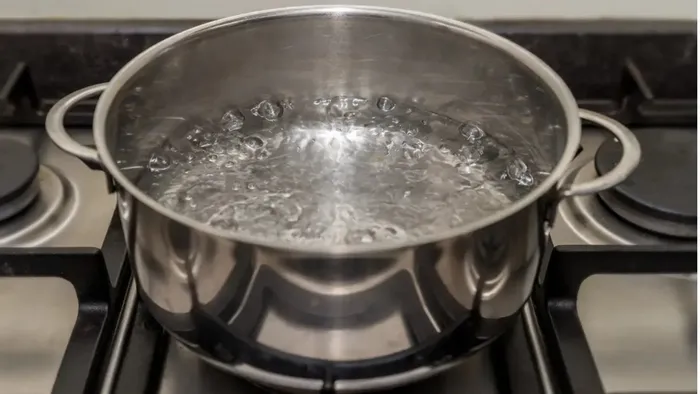
Residents in areas south of Durban supplied by the Athlone Park reservoir and elevated tank have been instructed to boil their tap water before use due to water quality concerns.
Image: Supplied
Communities in areas south of Durban including in Athlone Park and Galleria Mall, Arbour Crossing, and Kingsway Hospital have been urged to boil their tap water before use amid concerns about water quality.
According to DA councillor Andre Beetge, the notice has been issued by the eThekwini Municipality warning residents in these areas to boil their tap water which is supplied from the Athlone Park reservoir and elevated tower. The alert, issued on Saturday, November 29, is only valid for the next seven days.
Residents are advised to follow these precautions:
For washing dishes, fruits, and vegetables, use boiled water or water that has been disinfected with bleach. When using home washing machines, only use high temperatures, and brush teeth with boiled water or bottled water.
Bathing is considered safe as long as you do not swallow the water, and washing laundry is also safe.
The notice stated, “The eThekwini municipality requests consumers in these areas to take precautionary measures when using tap water.
“This comes after laboratory test results indicated that potable water in the above-mentioned areas is not of good quality as per the South African National Standard (SANS) 241 drinking water quality requirements.
“As a precautionary measure, you are advised to first boil water for one minute to make it safe for consumption. This is while the remedial work is underway and increased monitoring of water quality continues,” said the notice.
“The city’s water and sanitation unit is committed to ensuring compliance with SANS 241 drinking water quality. Consumers are assured that potable water is monitored regularly and tested in the eThekwini Municipality’s internationally accredited laboratory,” the notice said.
The notice stated that water must be brought to a rolling boil for at least one minute to kill all organisms.
“If you cannot boil your water, mix one teaspoon of unscented, ordinary household chlorine bleach with 20 litres of water. Mix the solution thoroughly, cover it, and allow it to stand lightly covered for at least two hours before using,” it concluded.
Councillor Beetge noted that the notice had caused confusion, uncertainty, and fear among communities in the affected areas.
“What the notice fails to explain, however, is the nature of the contamination, the associated health risks, or what remedial action residents should take if symptoms appear. For instance, should the issue relate to elevated E. coli levels, common symptoms could include severe stomach cramps, diarrhoea (which may be watery or bloody), vomiting, low-grade fever, and fatigue. These typically develop 3 to 4 days after exposure but may take longer, with most people recovering within 5 to 10 days.
“The DA will leave no stone unturned in its efforts to expose the truth and ensure that every resident enjoys their basic right to the source of life: clean water,” he said.
The municipality has been approached for comment.