

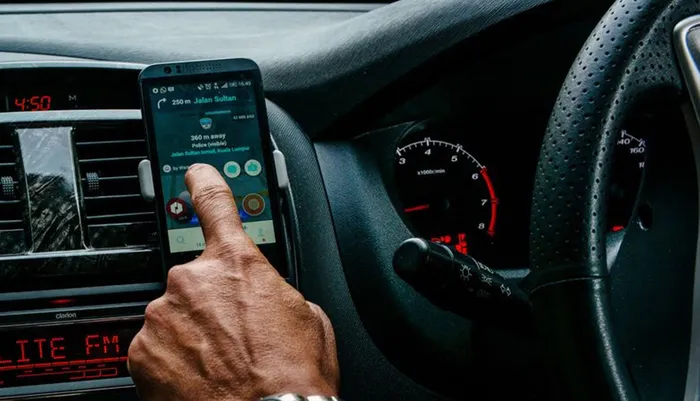
All e-hailing vehicles must have a licence to operate and belong to an e-hailing platform.
Image: File
Bolt has joined forces with the KwaZulu-Natal Department of Transport & Human Settlements and the KZN E-Hailing Council in a move aimed at improving safety, regulatory compliance, and driver preparedness ahead of the National Land Transport Amendment (NLTA) rollout.
In terms of the NLTA, all e-hailing vehicles have to be licensed, branded, and fitted with panic buttons, while e-hailing platform companies must be registered and face fines of up to R100,000 or two years in prison if they allow unlicensed operators on their platforms.
The partnership, announced at a summit held at the Durban ICC, is part of Bolt’s broader strategy to work closely with provincial authorities to strengthen operational standards in the e-hailing sector.
“Bolt's vision is to provide a safe and reliable transport solution to all users, working closely and collaboratively with other parts of the transport sector,” said Tom Tuxworth, Bolt’s Director of Public Policy.
“We came to listen, take feedback, and ensure that we implement measures to make ride-hailing safer for both drivers and riders. We support the regulatory changes that were recently gazetted and look forward to collaborating with other platforms and provinces to discuss implementation for KZN.”
The KZN E-Hailing Council emphasised that successful NLTA implementation will require coordination between provincial authorities, municipal metros, and industry stakeholders.
“Transparent communication and phased implementation are key to ensuring that both platforms and operators are fully aligned with legislative requirements,” said S Khanyezi, the council's secretary general.
He added that workshops and further engagement would assist drivers in understanding their compliance obligations.
Pricing was another major concern. Many drivers have raised concerns regarding fare structures that do not align with rising fuel, maintenance, and living costs.
Bolt acknowledged these challenges and committed to reviewing its pricing model.
Safety was also at the forefront of the summit’s discussions.
Durban Metro Police Communications Officer Colonel Boysie Zungu urged passengers to share trip details with trusted contacts, saying: “It becomes easier to locate you if something goes wrong.”
He also encouraged operators to remain alert, comply with all NLTA regulations, and maintain vehicle roadworthiness, praising the installation of panic buttons as a vital safety measure.