

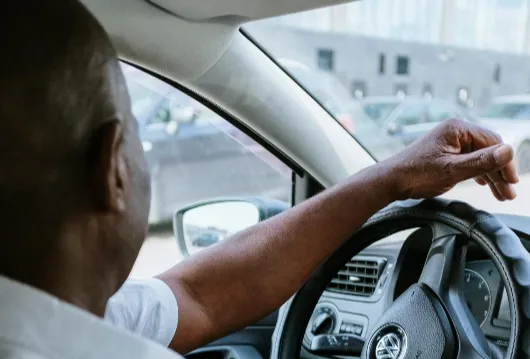
A new Ipsos report reveals that 90% of users feel more secure using ride-hailing services.
Image: Pexels
A new Ipsos Safety Index report commissioned by Bolt has revealed that 90% of South African ride-hailing users consider the service safer than traditional transport options, marking a major shift in public confidence toward app-based mobility.
According to the study, safety concerns remain a daily reality for many South Africans, and ride-hailing has evolved into more than a convenience, for many, it is “a lifeline.” Young adults aged 25–34 represent 43% of users, relying on apps like Bolt several times a week or month as part of their regular mobility routines.
The report shows that safety perceptions increase at night, with 92% of respondents saying they feel safer using ride-hailing apps after dark.
This increased trust is tied to features such as real-time GPS tracking, verified driver identities, vetted drivers, and door-to-door pickups and drop-offs.
South Africans also place considerable trust in ride-hailing when it comes to protecting others. The report states that 93% of passengers have booked a ride for someone else, often to ensure that a friend or family member arrives home safely. Nearly 96% of users agree that in-app safety features make ride-hailing a safer overall option.
Simo Kalajdzic, senior operations manager at Bolt South Africa, underscored the company’s commitment to building safer mobility.
“Safety is deeply personal for South Africans, and it remains an absolute priority for us at Bolt. Every decision we make, from product innovation to driver training, is rooted in creating an environment where riders and drivers feel protected, respected, and supported.
“These findings affirm the trust the public has placed in us, and we are committed to continuously improving our in-app safety features to meet the evolving needs of everyone who uses our platform.”
Ipsos director of strategy for sub-saharan Africa, Soyinka Witness, highlighted the broader impact of the findings.
“Conducting this study offered a unique window into how South Africans perceive mobility, security, and trust. The results highlight how essential ride-hailing has become and how strongly safety considerations shape mobility choices. Features that provide control, visibility, and reassurance are central to users’ sense of security, particularly for women and young adults. We are proud to have partnered with Bolt on a study that brings meaningful data into an important national conversation.”
As South Africa continues to grapple with complex safety challenges, Bolt says its ongoing investment in research, technology, and user education is part of a long-term mission to create safer transport experiences.