

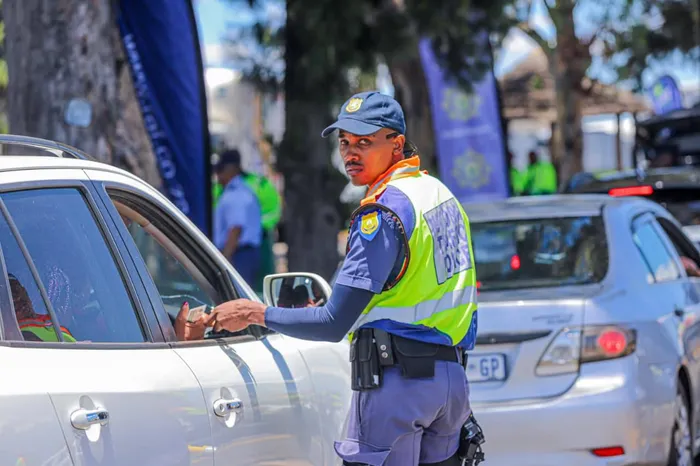
South Africa's festive season road fatalities have decreased by 30% compared to last year, but Minister Barbara Creecy warns that roads remain dangerous with pedestrians accounting for nearly half of all deaths.
Image: SA Department of Transport
South Africa’s festive season roads remain perilous, with early data showing a decline in fatalities heading into the peak period but recent weekend crashes highlighting the ongoing risks to motorists and pedestrians.
Transport Minister Barbara Creecy said the official 45-day festive season road safety campaign began on 1 December 2025 and runs until 14 January 2026, showed promising results.
Since the start of the festive season on 1 December, preliminary reports recorded 213 fatal crashes resulting in 249 fatalities, a 30% decrease compared with the same period last year.
Average daily crashes fell from 34 to 24, while average daily fatalities decreased from 40 to 28. Most provinces showed improvements, except Mpumalanga, where crashes increased by 13% and fatalities by 53%. “Three major crashes in which five or more persons died were recorded in Mpumalanga and the Western Cape. Major crashes increase the crash severity rate and often involve public transport and heavy vehicles,” Creecy said.
“Road safety is not just important; it is a matter of life and death and contributes to the optimum functioning of the economy,” Creecy said.
The decline is a continuing trend, as in the reporting period ending 30 November indicated that there were 8 613 road crashes and 10 089 fatalities, showing a reduction of 7.3% in both crashes and fatalities compared with the same period in 2024.
Creecy emphasised that pedestrian fatalities remained a major concern, accounting for 46% of deaths. “The most dominant crash type is accident with pedestrian which is observed in over 30% of crashes,” she said.
Law enforcement has been stepped up to respond to the increased travel, she said. Since the start of the campaign, 458 roadblocks were conducted, with 341 306 vehicles stopped and checked.
Alcohol tests were administered to 42 892 drivers, resulting in 741 arrests for drunk driving. An additional 689 arrests were made for speeding, reckless and negligent driving, jaywalking, and illegal presence in the country.
Creecy reminded road users that safety begins with individual responsibility.
“Always wear seatbelts, do not drive under the influence of alcohol or drugs, avoid speeding. Rest when tired, because a sleepy driver is as dangerous as a drunk one,” she said.
She also highlighted the importance of responsibility toward others, urging motorists to “practise patience during peak travel times, respect when overtaking, and exercise vigilance when approaching villages, schools, and towns where pedestrians cross.”
Weekend incidents illustrate the persistent dangers. In KwaMashu, north Durban, a driver was injured after allegedly drag racing along the KwaMashu Highway, losing control and colliding with a barrier.
Meanwhile, a multi-vehicle collision on the M4 near the uMhlanga off-ramp involving a truck, a fully loaded minibus taxi, and a bakkie, left two people dead and several others injured.
“The road is more than just a stretch of tar. It is an economic artery, a route of opportunity, and a lifeline for thousands of people traveling for business and holidays,” Creecy said.
She urged communities to speak out against risky behaviour, warning that “silence can cost lives, courage can save them.”
As South Africans continue their end-of-year journeys, the minister called on all road users to commit to safer practices, not only during peak festive periods but every day. “Road safety is a promise we make to the ones we love. Let us stand together, drive responsibly, and ensure that every trip ends in a safe arrival,” Creecy said.