

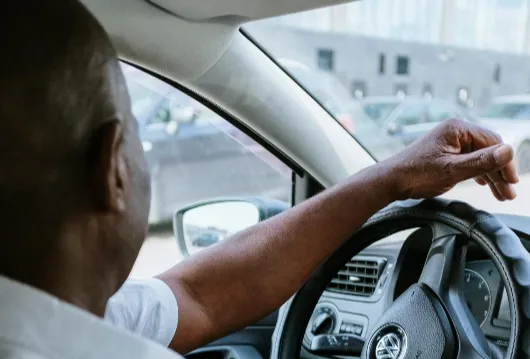
A Safety Index report commissioned by ride-hailing platform Bolt states that 92% of South African passengers say they feel safer using ride-hailing apps when travelling at night.
Image: Pexels
As South Africa enters its busiest and most dangerous travel period of the year, new data suggests a meaningful shift in how people are choosing to get home after a night out, which could have lasting implications for road safety and drunk driving.
Since 1 December 2025 , 1,478 motorists have been arrested for drunk driving during nationwide festive-season operations led by the Road Traffic Management Corporation (RTMC) and AWARE.org. The annual surge in social activity, nightlife, concerts, and long-distance travel has once again placed a strain on the country’s already burdened road network.
Against this backdrop, a Safety Index report commissioned by ride-hailing platform Bolt points to a change in public behaviour. According to the report, 92% of South African passengers say they feel safer using ride-hailing apps when travelling at night. For many users, particularly women, young adults, and urban commuters, app-based transport is increasingly viewed as a safer alternative to driving or relying on inconsistent public transport after dark.
The data suggests that this perception is translating into action. Bolt’s Safety Perception Survey found that 36% of South Africans now rely on ride-hailing specifically as a safer alternative to drunk driving. During a period traditionally associated with heightened road fatalities, this shift signals a growing willingness among motorists to make more responsible transport choices.
“Festive season travel comes with heightened pressure; longer nights, unfamiliar routes, and more social activity,” says Simo Kalajdzic, Senior Operations Manager at Bolt South Africa. “What we are seeing is that more South Africans are making deliberate, responsible choices by opting for ride-hailing instead of getting behind the wheel after drinking. This shift is critical, not just for individual safety, but for reducing overall road risk during peak travel periods.”
Bolt noted that mobility experts have long argued that digitised transport can improve safety by making journeys more transparent and accountable. Ride-hailing platforms offer features such as driver identification and verification, real-time GPS tracking, live route visibility, trip sharing, and door-to-door convenience. These safeguards reduce reliance on informal trust and help limit exposure to unsafe public spaces, particularly during late-night travel.
The e-hailing platform has in-app safety features which include emergency assistance tools, trip monitoring, vetted drivers, in-app reporting mechanisms, and a newly introduced dash cam feature for drivers, aimed at increasing transparency and protection for both drivers and passengers.
“Safety should never be optional,” Kalajdzic adds. “It has to be built into the experience from start to finish, especially during periods when the risks are highest.”
As festive-season roadblocks and enforcement operations continue, Bolt is encouraging South Africans to plan ahead, use ride-hailing services after social events, and actively engage in-app safety features.