

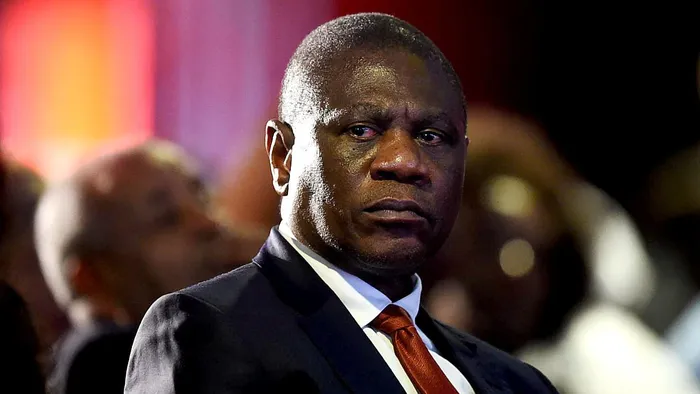
Deputy President Paul Mashatile
Image: Itumeleng English/Independent Newspapers
Rules governing Broad-Based Black Economic Empowerment (B-BBEE) must be tightened and made more punitive to ensure compliance and clamp down on criminality such as fronting.
These are among the changes called for amid frustration that the policy, which is supposed to uplift the black majority and ensure their participation in the economy, is being undermined by acts of criminality like fronting.
Fronting is when a black person pretends to own a business to make it look compliant with B-BBEE laws when, in fact, the business is owned by a white person.
The matter was discussed at the “Frank Dialogue on the future of B-BBEE in South Africa” held in Durban on Saturday.
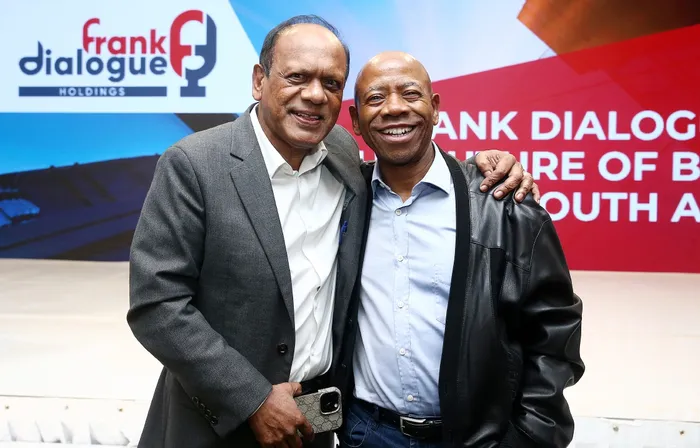
BBBEE South Africa - KZN 28 February 2026. Frank dialogue on the future of B-BBEE in South Africa. Which took place in Coastland Umhlanga Durban. Vivian Reddy Founder of Edison Power Group is seen with Professor Bonang Mohale Rapporteur at the event.
Image: SIBONELO NGCOBO
In attendance were the Minister of Trade, Industry and Competition, Parks Tau, and Deputy President Paul Mashatile. Business tycoons, including prominent Durban businessman Vivian Reddy, former Statistician-General Pali Lehohla, and professors and other experts gathered to discuss the importance of B-BBEE as a policy and its impact on the growth of business people.
During the discussion, it emerged that over the years, the economy has never grown at the targets set by the government, and the failure to include black people as meaningful participants in the economy partly contributes to the unmet targets. Tau revealed that his department is reviewing the entire B-BBEE infrastructure to assess what has worked and how the policy can be improved.
The Deputy President acknowledged that while there are still challenges in implementing the policy, “it is not going anywhere,” he asserted. Speaking on the desired outcome of the policy, the Deputy President said, “For me, the frank dialogue is very fitting at this moment. We can see that entrenched economic patterns remain, and we must address them honestly, with evidence and commitment to practical action.” He noted that it is commendable that the discussion revolved around acceptable transformation, particularly in sectors that are unacceptable to the majority.
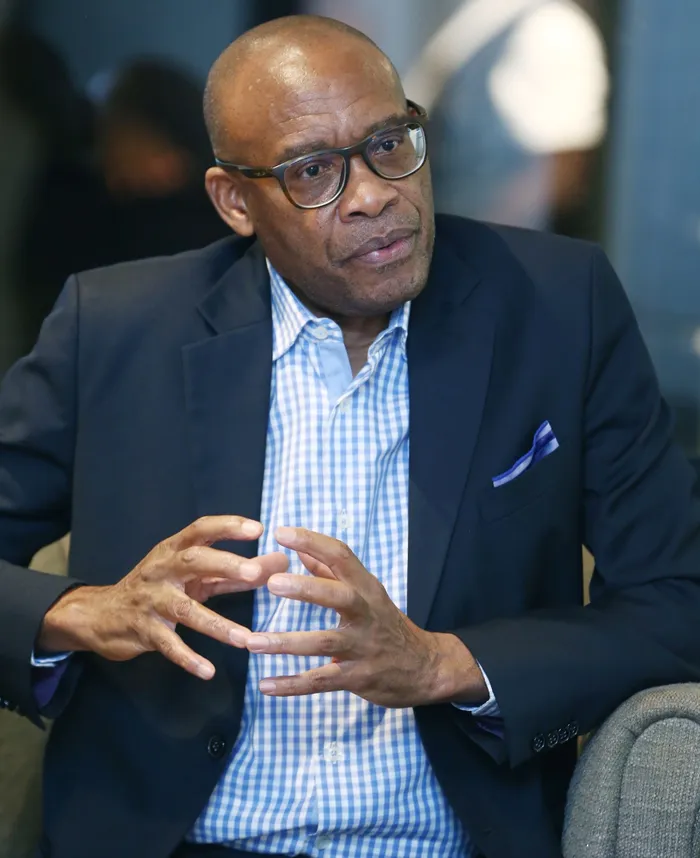
Tshediso Matona, the B-BBEE Commissioner was a part of the frank dialogue on the future of B-BBEE in South Africa, which took place at the Coastlands Umhlanga Hotel, Durban.
Image: SIBONELO NGCOBO

Dr. Nthabiseng Moleko, the NEF chairperson was a part of the frank discussion on the future of B-BBEE in South Africa, which happened at the Coastlands Umhlanga Hotel, Durban.
Image: SIBONELO NGCOBO
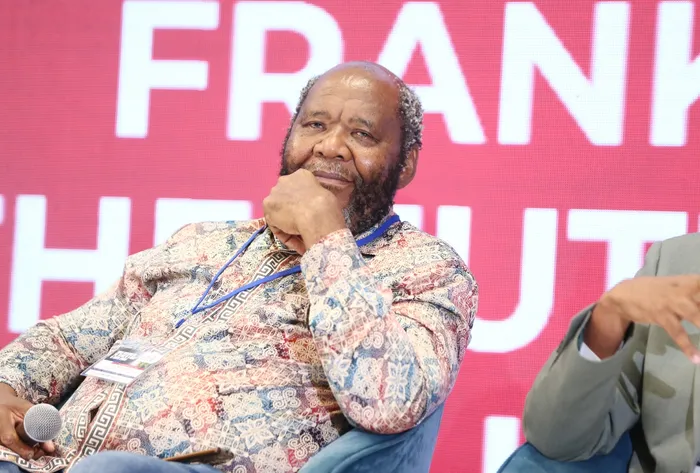
Dr. Pali Lehohla, the former Statistician General, was a part of the frank dialogue on the future of B-BBEE in South Africa, which took place at the Coastlands Umhlanga Hotel, Durban.
Image: SIBONELO NGCOBO
He stated that the implementation of B-BBEE has faced inconsistencies and hurdles over the years, which are still evident today. “We must be frank; where empowerment becomes paper-based rather than production-based, where fronting occurs, and where exclusion persists, trust is weakened. We need to bolster enforcement and monitoring mechanisms that are exploited by fronting practices. Our enforcement posture must be firm and consistent, supported by credible oversight.”
He emphasised that despite the challenges faced by the policy, abandoning B-BBEE is not an option. The aim of the review of the policy is very clear: to refine and reinforce the policy so that it drives transformation, reduces corruption, and promotes broad-based growth. “B-BBEE is a vital policy for promoting the meaningful involvement of historically disadvantaged groups in sectors where they have been excluded,” said the Deputy President.
He stated, “We need to bolster monitoring and enforcement mechanisms to close the gaps exploited by fronting practices, thereby aligning agency interests more closely with the principles of B-BBEE. Our enforcement posture must therefore be firm and consistent, supported by credible oversight,” he said.
He added that it is essential not to conflate the failures of implementation and broader governance issues with the intrinsic purpose and design of B-BBEE.
Mashatile said it is misleading to attribute complex macroeconomic outcomes solely to the policy while ignoring other pressing factors, including structural constraints.
“Such factors, however, do not necessitate the abandonment of the policy. To put it plainly, abandoning B-BBEE is not an option. The path forward is reform, strengthening, and disciplined implementation.
“If we are serious about advancing the future of B-BBEE, we need to urgently address the equal need for inclusion of the black majority in key sectors of the economy, such as agriculture, mining, finance, and manufacturing,” Mashatile said.
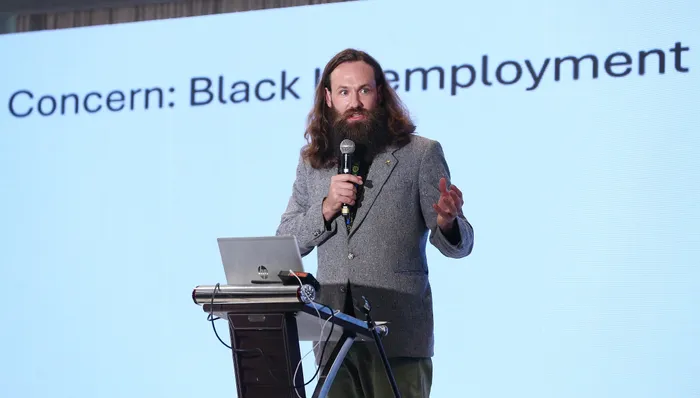
Gabriel Crouse, a director at the Institute of Race Relations, was also a part of the discussion of the future of B-BBEE in South Africa, which took place in Coastland Umhlanga Durban.
Image: SIBONELO NGCOBO
The deputy president pointed out that the message from this frank dialogue must therefore be clear: “we are not retreating from transformation; we are deepening transformation and aligning it to measurable outcomes that create jobs, build enterprises, open markets, and protect integrity.
“We must protect the integrity of empowerment. Fronting is economic sabotage; it will be confronted through stronger verification, faster case finalisation, and real consequences,” concluded the Deputy President.
Tshediso Matona, the B-BBEE commissioner, stated that there must be severe penalties for fronting. “At the moment, there are 60 cases of fronting referred for prosecution. They are just sitting there,” he said, adding that one of the sanctions that must be considered is to include financial fines for those implicated in fronting.
Dr Nthabiseng Moleko, the National Empowerment Fund chairperson, spoke of the challenges faced in the implementation of B-BBEE that have led to economic growth below the government targets. She noted that part of the problem is that commercial banks in the country are not interested in partaking in any financial activity that could assist small business growth.
She stated that another challenge is the reluctance to use pension funds in the country for investing in the development and infrastructure mandates of the country, noting that most developed countries are using this model to invest in their development.