

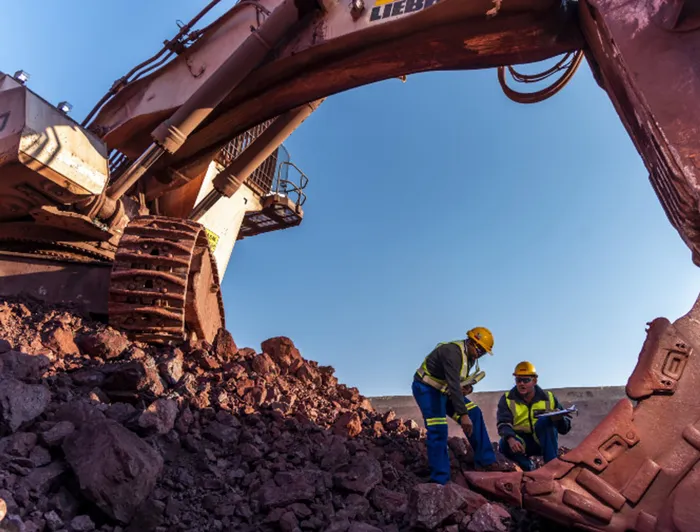
The relief, announced as a 12-month intervention, applies to Samancor Chrome and the Glencore-Merafe Chrome Venture.
Image: Supplied
Banele Ginindza
The Ferro-Alloys Producers Association (FAPA) has criticised the 87c/kWh interim electricity tariff relief granted to two ferrochrome smelters, saying the measure is both inadequate and exclusionary, and could jeopardise a longer-term pricing solution the industry was expecting by March.
The relief, announced as a 12-month intervention, applies to Samancor Chrome and the Glencore-Merafe Chrome Venture.
Electricity and Energy Minister Kgosientso Ramokgopa said the recommended tariff is intended to preserve about 12 terawatt-hours of strategic industrial load, while allowing Eskom to recover variable costs and limit the impact on other customers.
However, FAPA chairperson Nellis Bester on Friday said the move had created uncertainty around a deeper, permanent tariff reduction of 62c/kWh that the industry believed would be implemented from 1 March, based on undertakings made by the minister last year.
"The temporary relief is obviously good news. It is much better than the previous tariff but it still does not make the industry as competitive as its global competitors," Bester said.
"It might delay the section 189 processes but in a couple of months, the process may continue. It is a bit worrying if the department will still be able to implement the 62 cents by March 1 now that this relief has been announced for the next 12 months."
South Africa holds approximately 80% of the world’s known chrome ore reserves, positioning the country as a key player in global ferrochrome production. However, without a coordinated action around the cost of production, this strategic advantage is at risk.
Bester warned that other producers — including Ferroglobe, Transalloys, Vanchem and Mozal — remained exposed, as they are not covered by the interim arrangement.
According to Bester, all companies in the sector have issued Section 189 notices, with more than 150 000 direct and indirect livelihoods at risk if smelters are forced to shut down.
Bester said the 87c/kWh figure had originally been presented as a bridging mechanism, applied for by Eskom in August, ahead of the lower 62c/kWh tariff the industry expected to come into effect in March.
"However if the interim relief is for a 12 month period, then we have a serious problem. FAPA and other industry players will continue to engage the department, Eskom and other roleplayers to finalise and validate the 62 cents," he said.
"Admittedly, there is nothing in writing to give us guidance on whether and when the 62 cents is implemented. The 87 cents was a figure from Eskom while the 62 cents is the objective of the minister. We will continue to discuss and hope for the best."
During public hearings on the application, Eskom also asked the energy regulator to extend a waiver of take-or-pay conditions in its negotiated pricing agreements with the two companies, citing the financial hardship facing the smelters.
Ramokgopa described the intervention as a first step toward a broader solution for a sector under pressure from intense global competition and recent plant closures.
"The time-bound, 12 month structured pricing intervention provides temporary financial relief and will allow Eskom and other relevant stakeholdets to co-develop a sustainable medium to long term industrial solution with government as well as other strategic industries," he said.
The Congress of South African Trade Unions (Cosatu) welcomed the relief for the two smelters but said it did not go far enough to prevent further closures.
Cosatu parliamentary coordinator, Matthew Parks, said urgent engagements were needed with other producers, including Ferroglobe, Transalloys, Vanchem and Mozal, to find short-term solutions to protect jobs.
"It is sacrosanct that all parties honour their agreed obligations, in particular the companies suspending retrenchments proceedings," Parks said.
"We cannot afford to see a single worker added to the already dangerously high unemployment rate of 42.4%. We expect all parties to offer solutions and make compromises to ensure that the jobs of these workers are saved and the sustainability of this strategic industry as well as Eskom are ensured."
BUSINESS REPORT