
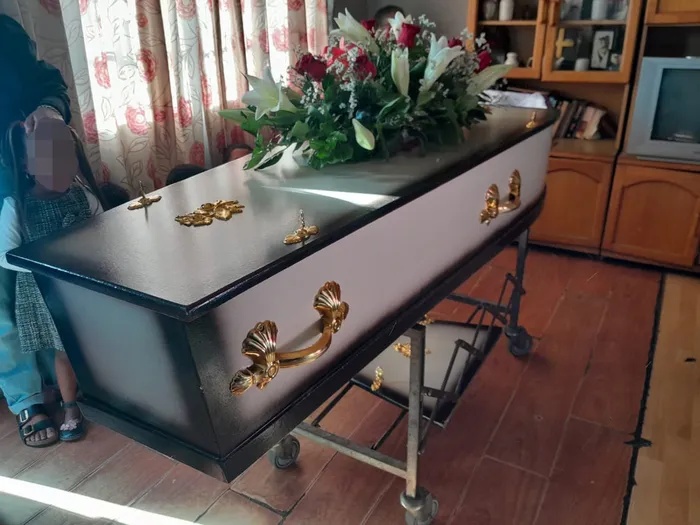
Despite most funeral policies in South Africa being approved, some claims are rejected
Image: Independent Newspapers.
Despite most funeral policies in South Africa being approved, some claims are rejected, leaving families shocked and struggling. For many, what was meant to provide peace of mind turns into frustration and stress.
Funeral service provider Icebolethu made headlines last week after it declined a claim for Sbonelo Zaca, citing reports from the Police indicating that he was allegedly involved in criminal activity at the time of his death.
According to the reports, Zaca was driving a vehicle linked to a kidnapping investigation when law enforcement officers approached. Allegedly, shots were fired from the vehicle, leading to a police response during which Zaca sustained fatal injuries.
Icebolethu said that its decision followed standard underwriting procedures and was guided by policy terms, which exclude claims arising from unlawful activity.
The decision sparked widespread anger and debate on social media, with many questioning whether it was fair to penalise the family for the alleged actions of their loved one.
Seven years ago, insurer Momentum faced a similar storm of public outrage after it rejected a R2.4-million life insurance claim for Durban man Nathan Ganas. Ganas was shot and killed during a hijacking, yet Momentum refused the payout, arguing that he had not disclosed a pre-existing health condition, high blood sugar, when taking out the policy.
These incidents have left some people wondering what other reasons could lead to funeral claims being declined. According to 1Life Insurance, while most claims in South Africa are approved, some are rejected due to:
IOL
mthobisi.nozulela@iol.co.za