

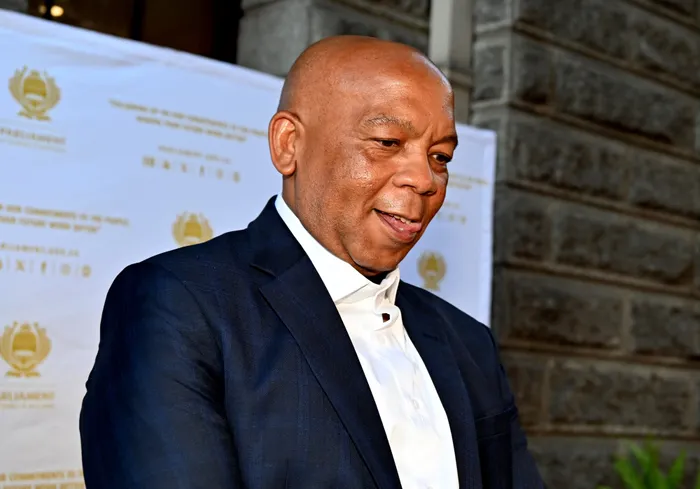
Minister of Electricity and Energy Kgosientsho Ramokgopa says the government is designing a plan to reduce electricity costs for key industries
Image: Ayanda Ndamane / Independent Newspapers
Minister of Electricity and Energy Kgosientsho Ramokgopa says the government is designing a plan to reduce electricity costs for key industries, particularly ferrochrome producers, to make them competitive internationally and protect jobs.
This comes as South African businesses and households continue to struggle with high electricity costs, which have made local production uncompetitive and added pressure to household budgets.
IOL previously reported that Ramokgopa conceded that rising electricity prices are placing a heavy burden on households and businesses across the country.
"The Department of Electricity and Energy acknowledges that the rising cost of electricity presents a serious challenge to households, businesses, and the broader economy," he said.
Ramokgopa said the government is now working on targeted interventions to reduce the cost of electricity for industry, focusing on lowering the cost of coal, the primary driver of electricity prices, while ensuring that households are not further burdened.
"So we have found what we think is a unique solution. If you look at the price of electricity, the primary driver is what we call the primary energy, which is the cost of coal, really. It's about 40% of the cost of electricity," Ramokgopa said in an interview with radio station 702.
"So if you are able to bring that down, then we're in a sweet spot. We're in the game. Can we get back to the levels that we used to?"
He added that the government’s plan is aimed first at industries most affected by high electricity costs, like ferrochrome producers, and will involve carefully structured interventions so that the cost reductions do not burden households or the broader economy.
"So for them, we have the 61 stranded assets that they can make available. That is coal at a price that makes it possible for us to translate the overall cost of conversion of that coal to 62 cents. We are here talking to the global CEOs of some of these entities".
"We have engaged the domestic CEOs who are on the same level. Of course, we must work out the details. The point is that cost cannot be socialised. It must be carried by this intervention. Otherwise, we will fix one area and create pressure for the South African economy, including households."
mthobisi.nozulela@iol.co.za
IOL Business