

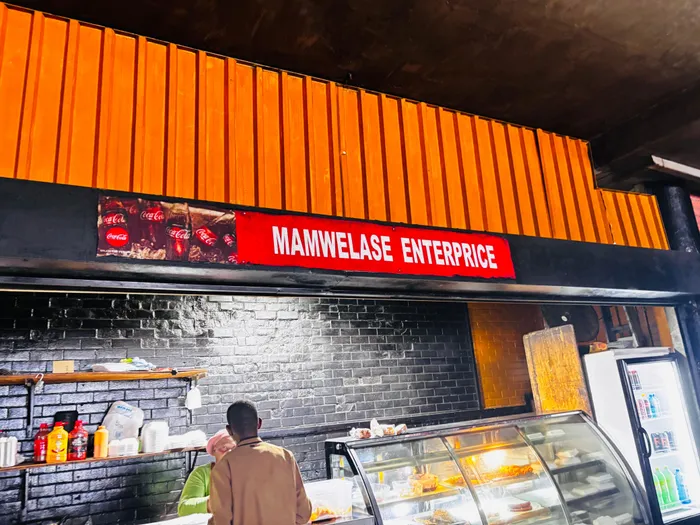
Rising fuel prices are sending shockwaves through South Africa’s small business sector
Image: Mthobisi Nozulela/IOL
Rising fuel prices are sending shockwaves through South Africa’s small business sector, with owners worried about higher costs and the impact on customers and employees.
Fuel increases took effect on April 1, with petrol up by R3.06 per litre, diesel rising by up to R7.51 per litre, and paraffin climbing by R11.67 per litre, leaving small business owners anticipating higher operating costs and difficult decisions ahead.
The increases are a result of rising international oil prices, driven in part by geopolitical tensions in the Middle East, combined with the weakening of the rand, which has pushed up the cost of importing fuel.
Jabulie Zondi, a small fast-food business owner in the heart of the Durban CBD, says she is already bracing for the impact on her operations. She sells items such as fried chips, drinks, fish, bread, and amagwinya among others, and relies on regular deliveries from suppliers and daily commuting by taxi.
"The increase in fuel prices is going to be really difficult for us. I know that when I go to order my stock, prices are likely to rise because of higher petrol costs. On top of that, commuting to work by taxi will probably become more expensive". Zondi said.
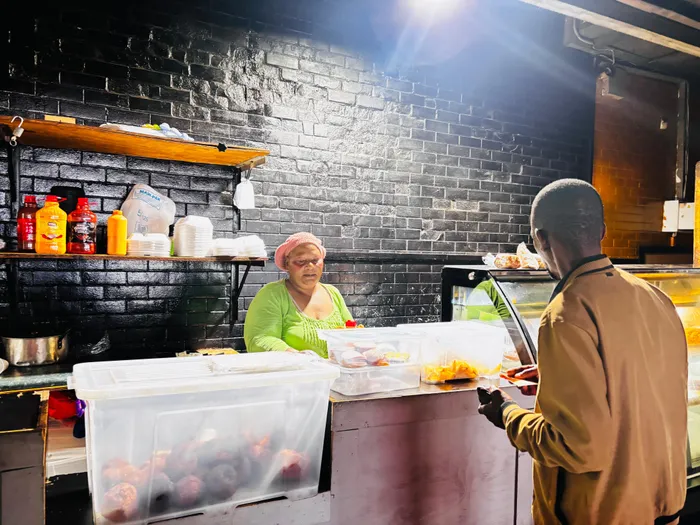
With the looming fuel price increases, Zondi said she's already increasing her prices.
Image: Mthobisi Nozulela/IOL
Her fast-food business, Mamwelase Enterprises, is extremely popular among employees and students who often buy lunch during their breaks. With the looming fuel price increases, Zondi said she's already thinking of increasing her prices.
"All of these factors could put pressure on my business, and I may be forced to raise my own prices. I’m not sure how customers will respond; my business could suffer if people can no longer afford to buy. At the same time, I have four employees, and I need to consider how I’ll manage their needs," she said.
She added that she hopes the government will introduce measures to support small businesses.
"I hope the government can come up with a plan to support small businesses so that even when we buy stock from wholesalers, costs aren’t so high and we can operate sustainably," Zondi said.
Meanwhile, e-hailing drivers have also sounded the alarm. Monwabisi Sobethu, an e-hailing driver based in Durban, said rising fuel prices are already making it harder for drivers to cover daily expenses.
"We transport people every day, and the increase in petrol prices is going to affect us negatively. If prices keep rising, filling up my tank could cost as much as R1,400. Our earnings, however, stay the same we don’t get any extra to cover these increases, so it’s becoming very difficult for us," Sobethu said.
Popular e-hailing platform Bolt has announced temporary fare adjustments to help shield drivers from rising fuel costs. Simo Kalajdzic, Senior Operations Manager at Bolt South Africa, said the changes are designed to ensure driver earnings remain sustainable while maintaining fare affordability for passengers.
These adjustments are expected to be temporary and responsive to market conditions, and will be reviewed regularly in line with fuel price movements," Kalajdzic said.
"The approach is designed to ensure that driver earnings remain sustainable while maintaining the reliability of the platform. Should fuel prices stabilise or decrease, pricing will be adjusted accordingly."
IOL BUSINESS
mthobisi.nozulela@iol.co.za