

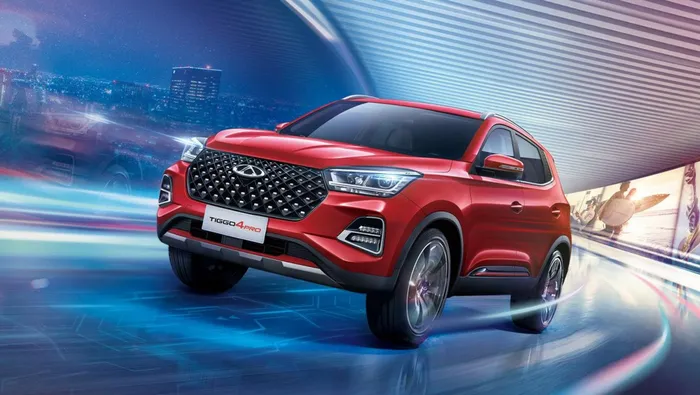
Cheaper imports are fuelling new vehicle sales in South Africa.
Image: Supplied
South Africa’s automotive sector is sending mixed signals. Naamsa reported strong growth in new vehicle sales in October 2025, while Statistics South Africa’s broader motor trade figures suggest the overall market is growing more slowly.
The difference comes down to what each report measures. Naamsa tracks only new vehicles manufactured, assembled, distributed, or imported by its 42 member companies.
Statistics South Africa reports motor trade sales in value terms, which include new and used vehicles, fuel, workshops, and accessories.
This means Statistics South Africa’s figures can be dragged down even when new car sales are booming.
A caveat: Naamsa October figures were released last month, while Statistics South Africa has only just published its data. To ensure a fair comparison, this analysis uses the same reporting period for both sets of numbers.
Naamsa’s numbers show strong demand among consumers, rental fleets, and corporate buyers, while Statistics South Africa indicates that other parts of the motor trade – used vehicles, workshops, and fuel sales – are under pressure.
Falling workshop income may reflect delayed maintenance or weaker after-sales services, and lower fuel sales could reflect changing consumption patterns.
According to Naamsa, 55,956 new vehicles were sold in October, the highest monthly total since March 2015, up 16% from October 2024. Year-to-date sales are 15.7% ahead of the same period last year.
Light commercial vehicles – bakkies and mini-buses – jumped 23.9%, while medium commercial vehicles increased modestly and heavy trucks and buses declined slightly.
Naamsa points to a softer inflation environment and a firmer rand as drivers of the growth. Headline CPI held at 3.4% in September, supported by falling food costs and contained fuel prices.
“This softening inflation trajectory supports real disposable income gains, aligning with forecasts that headline CPI will average 3.3% in 2025,” Naamsa said.
Imported vehicles are more affordable, and competitive pricing and softer vehicle inflation are supporting buyers in select segments.
The South African Reserve Bank maintained the repo rate at 7% but easing inflation expectations have markets pricing in rate cuts in early 2026, which could fuel big-ticket consumer purchases and fleet renewals.
Exports are also resilient. Vehicle shipments rose slightly in October to 32 659 units, with year-to-date exports 6.7% ahead of 2024, showing South African manufacturers are holding their own on the global stage.
Meanwhile, Statistics South Africa shows that the broader motor trade grew only 2% year-on-year, with new vehicles contributing 13.3% but weaker fuel and workshop income weighing on overall growth.
According to the agency, the main negative contributors were fuel sales and workshop income. Seasonally adjusted motor trade sales rose just 0.7% from September 2025.
IOL BUSINESS