

Approximately 75% of the South African cigarette market now estimated to be illicit
Image: Supplied
BAT South Africa (BATSA) has reached its limit in trying to deal with the illicit cigarette trade in South Africa and is walking away from its production business.
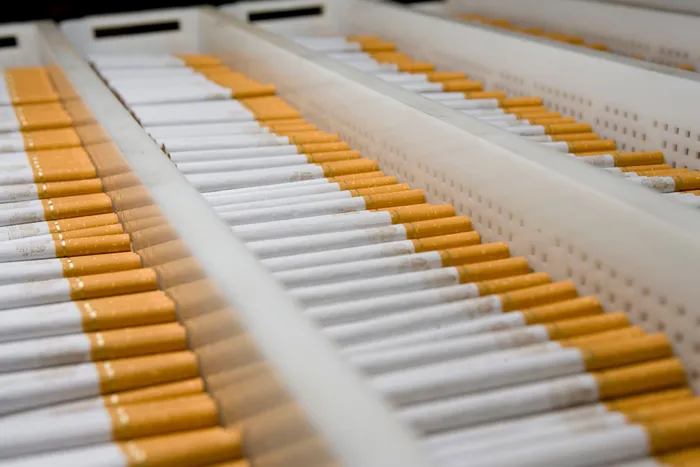
Because of the “devastating impact of the illicit cigarette trade on the local market,” the company will close its only South African manufacturing facility, in Heidelberg, Gauteng, by the end of 2026.
A recent IOL investigation showed that up to 70% of cigarettes sold in South Africa are illicit, resulting in annual tax revenue losses exceeding R27 billion. This was according to a Parliamentary written reply by Minister of Finance Enoch Godongwana in 2025.
Other organisations have different figures, with the South Africa Illicit Economy 2.0 Report stating that illicit trade in tobacco and alcohol is estimated to cost the government R30 billion a year in lost revenue.
“Illicit trade continues to pose a serious threat to South Africa’s economic stability, governance, and international standing,” the report stated.
BATSA said that, although it would no longer manufacture the items locally, it remained committed to the South African market and would transition from a local manufacturing model to an import-based supply chain to continue serving adult consumers in the market.
The company controls around two-thirds of the legal market.
“With approximately 75% of the South African cigarette market now estimated to be illicit, continued local manufacturing has become unviable,” said Johnny Moloto, Head of Corporate and Regulatory Affairs at BAT Sub-Saharan Africa.
BATSA’s factory, in Lesedi, currently operates at just 35% of total capacity due to severe volume losses, directly attributable to the exponential growth of the illicit tobacco trade in South Africa.
“This is an incredibly difficult day for BATSA and for the approximately 230 employees and families who may be affected,” said Moloto.
Moloto added that the affected staff are “skilled, dedicated people who have given years of service, who unfortunately are affected by an illicit market that operates outside of the regulatory net”.
“We have tried everything to ensure we don’t have to close this facility, which has been a part of the Heidelberg community since 1975, including implementing various efficiency initiatives over the years,” noted Moloto. “But when three-quarters of your market is illicit, there’s a limit to what any company can do. We’ve reached that limit.”
BATSA has engaged with government and law enforcement authorities over the past decade, consistently raising concerns about the growth of illicit trade and advocating for effective enforcement.
The company points to several policy decisions that have worsened the situation: the unconstitutional 2020 Tobacco Sales Ban, from which the legitimate market has never recovered, and above-inflation excise increases that have widened the price gap between legal and illegal products.
BATSA also believes that the proposed new tobacco legislation currently before Parliament could exacerbate the illicit tobacco trade.
Parliament is processing the Tobacco Products and Electronic Delivery Systems Control Bill to update existing laws with stricter measures, including 100% smoke-free indoor public spaces, plain packaging, banning vending machine sales, and regulating e-cigarettes (vapes).
The Bill aims to align with World Health Organization guidelines, prevent youth access, and remove tobacco displays at points-of-sale.
BATSA started the formal consultation process on Thursday with affected employees and union representatives in accordance with the Labour Relations Act. It expects to conclude this process by the end of March 2026, with the full closure of the manufacturing facility planned for the end of 2026.
Should there be a substantial and sustained trend change in the local illicit trade environment, BAT will re-invest in local production in South Africa, said Moloto.
IOL BUSINESS