

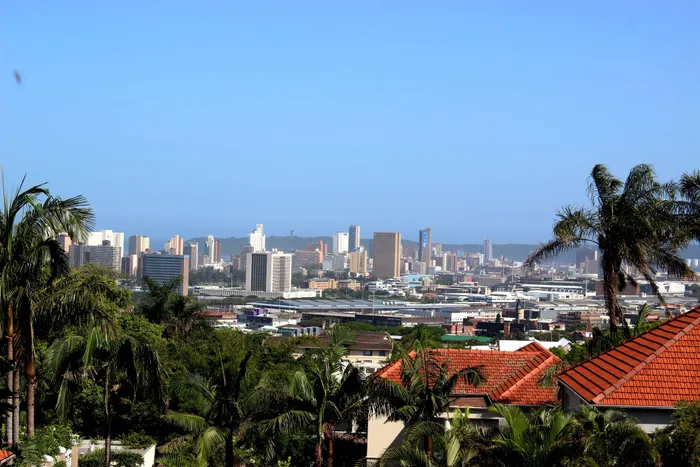
Even amidst ongoing global uncertainty, cautious consumer spending, and a fragile economic recovery, the local property market managed to advance during 2025, albeit not always consistently.
Image: Siyabonga Ngcobo.
Affordability remained a major challenge for South Africa’s homebuyers this year.
“Many buyers simply didn’t qualify for the bonds they were hoping for,” says Leonard Kondowe, the national manager for Rawson Finance.
“The rate cuts we’ve seen this year helped, but they weren’t a silver bullet – especially with high living costs eating into disposable income.”
Affordability challenges
According to Rawson Finance, from a financing perspective, 2025 saw banks go head-to-head in the battle for quality clients.
“It’s been a year of strategic consolidation for lenders,” says Kondowe. “They’re aggressively targeting young professionals with good credit profiles and offering exceptional deals to secure their business.”
Those deals have included 100% bonds, legal fee discounts of up to 50%, and interest rate concessions as low as -2% below prime in rare cases.
“Banks are often willing to beat a competing offer by throwing in another -0.25%,” Kondowe adds.
Residential property sales.
“This year was a mixed bag,” says Craig Mott, the national sales manager for the Rawson Property Group.
“Some areas outperformed expectations, while others took longer to catch up. Stock levels and pricing realism played a huge role.”
While Cape Town saw continued demand and limited supply, particularly in mid-market and sectional title properties, Johannesburg told a different story, with longer listing periods and a greater need for seller flexibility.
According to Mott, pricing expectations have had to shift. “Buyers are cautious, and many are stretching to meet bond requirements,” he says. “If a property is priced right and well-presented, it sells. If not, it sits.”
Buyers are also showing greater awareness of long-term value. “They’re looking at total cost of ownership – from energy efficiency to rates, levies, and security – not just the sale price,” Mott explains. This trend was echoed across the group’s franchises, with location, lifestyle convenience and financial sustainability ranking high on buyer wish lists.
The property group says that one thing 2025 made abundantly clear is that South Africa’s property market is resilient, if nothing else. In a year marked by ongoing global uncertainty, careful consumer spending, and a tentatively recovering economy, the local property landscape found ways to move forward, even if not always in a straight line.
“We’ve weathered a complex few years, but South African property has shown its strength once again,” says Tony Clarke, MD of the Rawson Property Group. “We’re seeing the early signs of a market ready to grow, adapt, and reward those who engage with it strategically.”
Rental property market.
“2025 has been a strong and consistent year for rentals,” says Jacqui Savage, the national rentals manager for the Rawson Property Group. “We’ve seen steady growth across the board, especially in well-connected lifestyle areas.”
Tenant preferences have continued to evolve, placing a greater emphasis on value-for-money.
“People want fibre, security and quality finishes, and they’re willing to shop around to get it,” Savage explains.
Remote work has also sustained demand outside of metro areas.
“The Eastern and Southern Cape have had stock shortages due to continued migration out of the cities,” she says.
Perhaps most notably, Savage highlights the return of investor confidence following South Africa’s removal from the FATF grey list.
“We’ve seen a 30–35% increase in investor activity, which has really buoyed the residential market.”
For 2026, Savage predicts more of the same, with a few caveats.
“The cost of living is still high, and affordability will remain a pressure point,” she says. “We’re already seeing a slight increase in late payments, so landlords need to remain vigilant when vetting tenants.”
From rentals and residential sales to finance and commercial spaces, each sector faced its own mix of highs and hurdles. But taken together, the picture that’s emerged is one of a market recalibrating for growth-and looking ahead to 2026 with a healthy dose of cautious optimism.
Interest rate stability
Looking ahead, Kondowe expects interest rates to remain relatively stable, with the possibility of further modest cuts in 2026.
“We’re seeing green shoots-improvements in energy supply, transport, and inflation control-but it’s a complex global environment. Our economic foundations are stronger, though, and that’s encouraging.”
Independent Media Property