


After a 125 basis point interest rate drop since late 2024, owning is no longer wildly more expensive than renting.
Image: Freepik
R1 million used to feel like a cute budget in property conversations. Not useless, but definitely not main-character energy. But now interest rates are easing, buyers are moving differently, and suddenly that R1 million is back in the group chat.
According to Grant Smee, CEO of "Only Realty Property Group," buyers in this bracket still have real opportunities if they know where to look and how to buy smart.
In fact, nearly two-thirds of residential property transactions in South Africa happen below R900 000.
"For first-time investors in the R1 million sector, the key is getting onto the property ladder rather than focusing on buying your dream home,” Smee says.
“You want a property that works financially, delivers real return and doesn’t drown you in levies, special charges or inflated rates.”
Where the value is hiding
Gauteng remains the busiest playground for affordable property. Johannesburg and Tshwane still offer sectional title apartments and townhouses under R1 million in areas like Ferndale, Northwold, Witpoortjie and parts of Ekurhuleni.
The common thread is access. Proximity to major roads, work hubs and public transport continues to outperform postcode bragging rights.
The Western Cape loves to scream “luxury only”, but north of Cape Town’s CBD, reality is a little more friendly. Areas like Parklands, Bellville and Goodwood are still offering one-bed and studio apartments between R900 000 and R1.2 million, with rental yields sitting around 6% to 8%.
Not flashy, but solid.
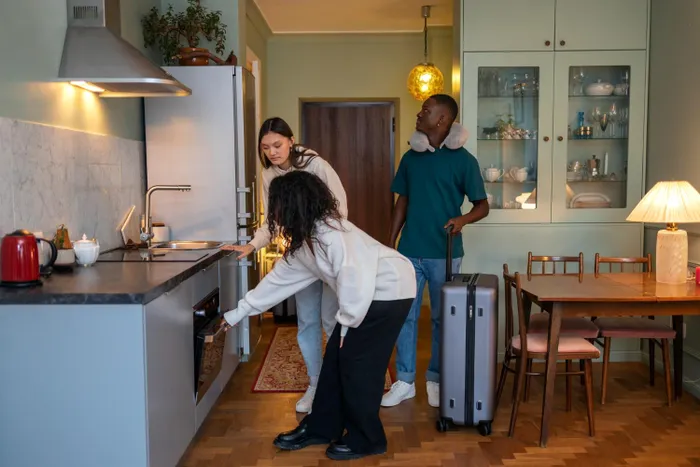
Areas like Parklands, Bellville and Goodwood are still offering one-bed and studio apartments between R900,000 and R1.2 million.
Image: Freepik
KwaZulu-Natal is quietly getting its groove back. In Durban Central and South Beach, apartments from R650 000 are still available, driven by student demand and young professionals.
Ongoing upgrades along the beachfront are also improving long-term confidence, especially for investors who can play the patience game.
Smaller towns in the Eastern Cape, Free State and Limpopo also offer entry-level opportunities, but the strongest returns continue to come from urban markets where rental demand stays consistent.
What to buy
The secret isn’t just where you buy, it’s what you buy. This isn’t the budget for grand staircases and double garages. Smaller, well-located properties are doing the most. Think sectional title units, student-friendly spaces, and shared living setups that cater to young professionals.
The traditional model of student housing - campus residences or halls - simply can’t keep up with demand.
Across the country, students are forced into the private rental market because residence beds are very limited: estimates put the national shortfall of student beds at over 500 000, meaning many tertiary learners must find accommodation elsewhere.
Property developers are even repurposing commercial buildings and older homes into student apartments, especially around university precincts in major cities like Johannesburg, Durban and Port Elizabeth.
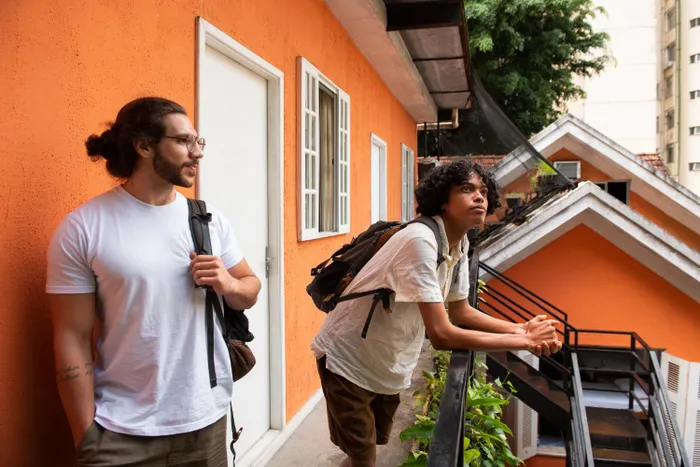
Across the country, students are forced into the private rental market because residence beds are very limited:
Image: Freepik
Security remains non-negotiable, but levies deserve close attention. Poorly managed complexes can quietly eat into your returns. Experienced investors are getting more hands-on, sometimes even serving as trustees to protect their investment.
Renting vs owning
After a 125 basis point interest rate drop since late 2024, owning is no longer wildly more expensive than renting. On a R1 million bond, repayments are now roughly R587 cheaper per month, saving over R140 000 across 20 years.
However, most South Africans still can’t stretch to buy, with average salaries lagging behind property costs, a reality that keeps many in the rental market. So let's take that into consideration as well, okay.
In Gauteng, the Western Cape and KZN, bond repayments and rentals for one-bedroom properties are sitting surprisingly close. Ownership still comes with extras, rates, levies, and maintenance, but there’s no transfer duty under R1.1 million, which helps soften the landing.
Let’s not forget the long game. Property values in this segment are still growing at around 4% to 10% annually, depending on where and what you buy.
Property wealth isn’t built overnight. It starts with one well-bought home that makes sense financially, fits the market, and grows steadily over time. R1 million may not buy excess, but it can buy opportunity, and in today’s market, that’s worth paying attention to.