

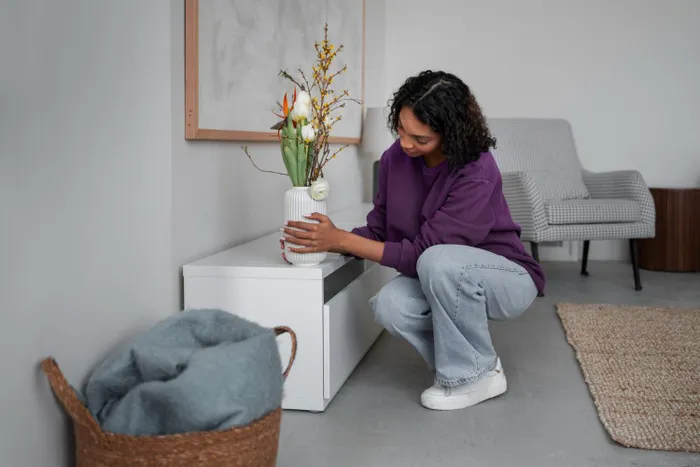
Buyers can better visualise themselves living in clean, open spaces, which also photograph and show better.
Image: Freepik
It’s often said that a decluttered home is a decluttered mind. The start of the year is a natural time for a fresh start, a reset and often, that begins at home.
Beyond the symbolic fresh slate, decluttering can have a real impact on a property’s perceived and actual value.
“Clutter distracts buyers from seeing the true potential of a home, but it also affects how homeowners themselves experience their own space,” says Adrian Goslett, CEO and regional director of REMAX Southern Africa.
“January offers a reset point as people are more motivated, routines are being re-established, and there’s a strong desire for order and clarity.”
Decluttering is one of the simplest and most cost-effective ways to make a home look and feel better. After the festive season, many homes feel fuller than usual.
That Christmas tree still sits in the corner, presents are stacked in the livingroom, and the aftermath of a year of accumulating “just-in-case” items can make spaces look smaller or chaotic.
The impact goes beyond aesthetics. Nina Striglia, a South African psychologist, explains that clutter reflects and reinforces inner disorganisation, leading to anxiety, poor concentration and even negative self-perception.

As buyers favour move-in-ready homes, experts say decluttering improves presentation, pricing power, and everyday living. January is the ideal time to reset your space and your home’s value.
Image: Freepik
“Clutter acts as both a representation of our inner world and a perpetuating factor in mental health difficulties,” she told "Womens health". When your brain continually scans a chaotic environment, stress levels rise, making it harder to focus and unwind.
If you’re getting ready to sell, decluttering isn’t optional. You dont have a choice to let go! Homes that are open, clean, and organised not only look better in photos, they show better in person and make it easy for buyers to picture themselves moving in.
In the living room, removing extra sofas, oversized chairs, and cluttered side tables can make the space feel larger, while keeping a rug, a statement cushion, or a simple vase adds style without overcrowding.
Kitchens benefit from cleared countertops: pack away appliances you rarely use, excess utensils, and pantry items, leaving only clean essentials and perhaps a small plant or bowl of fruit for visual appeal.
In the main bedroom, store personal items, laundry baskets, and extra furniture, leaving a neatly made bed with neutral bedding and minimal décor.
Bathrooms should be tidy, with personal care products stored away and only a neatly folded towel or small plant on display. Even small adjustments like repositioning furniture or opening walkways can transform a home, making it feel brighter, inviting, and well-maintained.
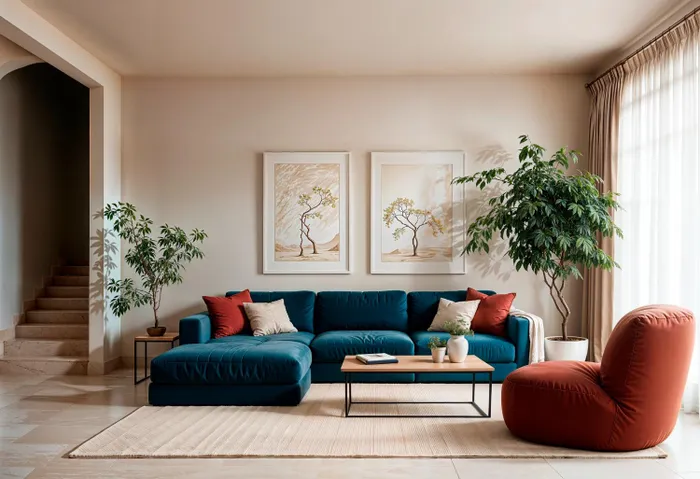
Decluttering can improve how your home feels, photographs, and sells.
Image: Freepik
Remember: less is more, but it doesn’t have to be bland. Simple touches like a single statement piece or fresh flowers can enhance the room without overwhelming it.
From a pricing perspective, a decluttered home often feels more valuable, even if no structural improvements have been made. Buyers can focus on features such as natural light, flow, and finishes without visual distractions. This clarity can translate into stronger offers and quicker sales.
In today’s market, buyers consistently favour homes that are move‑in ready, well presented and easy to imagine as their own, not just properties with good bones on paper.
Listings that are staged, decluttered and visually inviting tend to generate stronger interest, more enquiries and faster sales because they help buyers form an emotional connection early on.
Even if selling isn’t on your radar, decluttering is still worthwhile. It improves daily functionality, reduces stress, and highlights areas that could benefit from minor repairs or small upgrades, all of which support the long-term value of your home.
Goslett advises tackling decluttering room by room, starting with spaces that are used most, and organising storage areas to demonstrate ample space.