

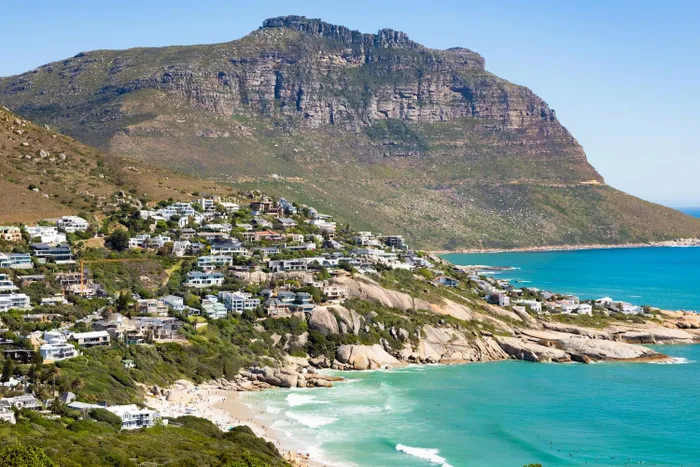
Foreign buyers are flocking to South Africa’s coastal gems, where luxury meets lifestyle and the price still looks like a steal compared to Europe.
Image: Freepik
South Africa has always had international appeal, but lately, foreign buyers are paying extra attention, and it’s not hard to see why.
Compared to other lifestyle destinations around the world, property here still comes with a much friendlier price tag, especially when you factor in location, space, and quality. Add a bit of coastal magic, and suddenly South Africa is looking like a very smart buy.
“South Africa remains a prime location for foreign property investors who, when comparing the purchase price in the country to similar lifestyle destinations abroad, often find they can secure a higher-quality property, in a better location, for a more favourable price,” says Adrian Goslett, CEO and regional director of REMAX Southern Africa.
The numbers back this up. According to property data firm Lightstone, non-resident foreign buyers made up around 3.7% of property transactions in 2024, up from about 2.9% in 2019.
That may sound small, but zoom into the luxury end of the market and it tells a very different story. In properties priced above R10 million, foreign buyers accounted for roughly 40% of purchases over the past year, and the Western Cape remains the top destination.
Cape Town, in particular, keeps pulling buyers in. “The currency advantage is key, but there is more to it than that,” says Susan Watts, broker-owner of REMAX Living.
Many foreign buyers are retirees, remote workers, or investors seeking rental income, and most come from Europe, especially Germany and the Netherlands.

Cape Town’s lifestyle, from beaches to dining to arts and culture, makes it irresistible for overseas buyers.
Image: Freepik
“Cape Town offers business opportunities, dining, arts and culture, and natural beauty. It’s a lifestyle that stands out globally.”
In simpler terms, overseas buyers are getting more house for their money, in places that feel safe, well-connected, and easy to live in.
Many are coming from Europe, especially Germany and the Netherlands, and they’re looking for secure, low-maintenance homes close to amenities. Some are relocating full-time, others are testing the waters with an investment property they can rent out.
Several factors are driving this interest. The rand exchange rate makes South African property far more affordable when converted into euros, pounds, or dollars.
Remote work has also changed the game, making it easier for professionals and semi-retirees to live here while earning elsewhere. On top of that, rental demand in high-traffic lifestyle areas remains strong, which makes the numbers work for investors.

Remote work and Cape Town’s lifestyle are luring international buyers to the coast.
Image: Freepik
For sellers in coastal and lifestyle regions, this matters. Foreign buyers aren’t here to just browse and window shop; no, they’re buying. And in a market where international interest is clearly growing, understanding how to position a property for global appeal could make all the difference.
On the plus side, (sigh, yes, there is one), foreign buyers bring money into the economy. They stimulate construction, support estate agencies, lawyers, banks, short-term rental businesses and local jobs.
In high-end areas, especially along the coast, foreign spending helps keep the luxury market active even when local demand slows. That stability can prevent prices from collapsing and give sellers confidence in uncertain economic times. In theory, a healthy property market benefits the broader economy.
When a European buyer drops R15 million on a Camps Bay apartment, it doesn’t stop at the sale. Estate agents, lawyers, cleaners, security teams and short-let managers all benefit. That spending circulates.

Foreign investment fuels jobs for estate agents, lawyers, cleaners, and short-let managers, keeping the local economy buzzing.
Image: Freepik
But here’s the other side, and this is the part many South Africans are feeling in real time.
When foreign buyers, often earning in euros, pounds or dollars, enter the market, they’re playing a very different game. What feels “affordable” to them is often completely out of reach for locals paid in rands.
This drives up prices in popular areas, particularly in Cape Town, pushing young professionals, families and first-time buyers further out of the city or out of the market entirely.
Over time, neighbourhoods shift from being lived-in communities to investment zones, short-lets and second homes.
Take a young Cape Town professional saving for a deposit in Sea Point. To them, it’s a stretch and a long-term goal. A buyer from abroad sees the same apartment as “great value” because it’s cheaper than a shoebox in London. Guess who wins that bidding war?
Prices climb, neighbourhoods shift, and suddenly locals are pushed further out. Areas become stacked with short-term rentals and second homes, while first-time buyers are left refreshing Property24 like it’s a full-time job.
Foreign investment keeps the market alive and jobs flowing, but it also highlights a pressing challenge: affordability for locals.
Without stronger wage growth, targeted policies, or more well-located, affordable housing developments, the dream of homeownership will continue to feel out of reach for many South Africans, even as the luxury market flourishes internationally.