


Experts advise buyers to focus on long-term value, transaction costs and building an affordability buffer.
Image: Freepik
Take note: 2026 won’t be the year of a property boom, but there’s reason to be cautiously optimistic. After years of a two-speed market, early signs of recovery are appearing, but it’s not a one-size-fits-all.
Coastal and lifestyle hotspots like Cape Town are showing robust growth, while inland areas and regions with poor service delivery are still struggling to keep up.
“While we most likely won’t have a property boom this year, we’re seeing very encouraging early signs of recovery,” says Renier Kriek, managing director of home loan provider Sentinel Homes.
He adds that better home loan terms, higher approval rates, and increased first-time buyer participation are all indicators that things are slowly moving in the right direction.
“It’s initially going to be better conversion and affordability, and higher transaction volumes, followed by gradual price firming,” Kriek adds.
Interest rates are giving buyers some breathing room. Since September 2024, the South African Reserve Bank (SARB) has reduced rates by 1.5%, and at least two more cuts are expected in 2026.
But it’s not all sunshine. New Basel 4 banking regulations - the so-called “output floor” - may increase banks’ funding costs, which could limit how low home loan rates can go. Bottom line: rates are easing, but buyers still need a plan and a buffer.
South Africa’s property market is moving at two different speeds. Coastal and lifestyle areas, especially Cape Town and parts of the Western Cape, are seeing much stronger demand and faster price growth, with values increasing by up to 9% a year.
These areas remain popular because of lifestyle appeal, better service delivery and ongoing semigration, while limited housing stock keeps prices firm.
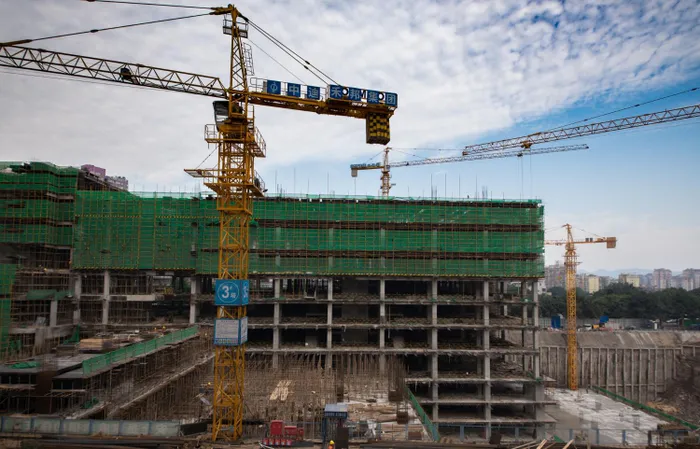
Ongoing development in high-demand areas signals early signs of market recovery for 2026.
Image: Freepik
In contrast, inland markets such as Gauteng are growing far more slowly.
Price increases sit at around 2%, barely keeping up with inflation. Homes are generally more affordable, but demand is softer, meaning properties take longer to sell and buyers have more room to negotiate.
This highlights a shift in how younger buyers are approaching property ownership. Instead of buying homes to live in straight away, many are purchasing more affordable properties as investments and renting them out, while they themselves continue to rent in areas they aspire to live in.
Social media platforms like TikTok have played a role in popularising this strategy, with “finfluencers” encouraging buy-to-let investments as a way to get onto the property ladder without stretching budgets too far.
While this approach can work for some, it doesn’t change the bigger picture.
For the property market to see a full and sustainable recovery, South Africa still needs stronger job growth and more reliable service delivery across cities and towns.
As for the big question - should you buy, sell, or hold? For prospective buyers and investors, careful planning is key. Kriek stresses the importance of due diligence, long-term value assessment, and understanding transaction costs.
“Residential property, which comes with the possibility of relatively low-risk leverage, is a key ingredient in adopting the appropriate financial posture.”
He also advises building an affordability buffer, acknowledging that interest rates may rise again in the future.