

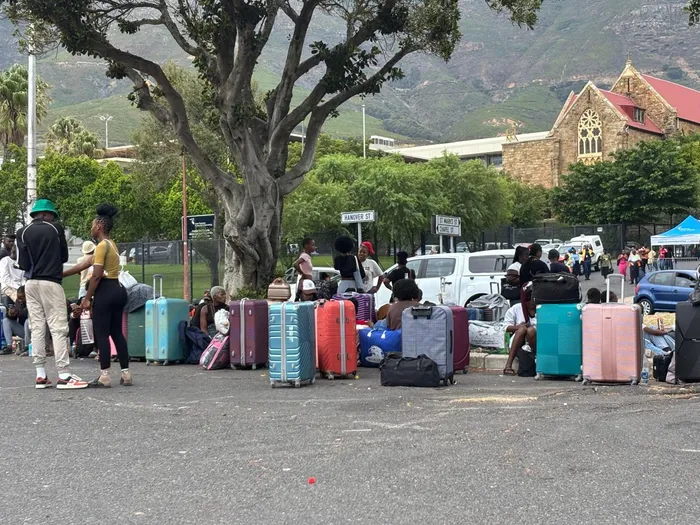
There are calls for at least a 5% escalation in NSFAS accommodation tariffs for 2026. The current annual cap of R45,000 for private self-catering is no longer tethered to reality.
Image: TARA ISAACS
As Finance Minister Enoch Godongwana prepares to table the 2026 National Budget, the student accommodation sector stands at a crossroads.
Godongwana will deliver the 2026 Budget on Wednesday, February 25.
For years, providers have bridged the gap between the state’s educational promises and the physical reality of a student's need for a safe place to sleep, says Inga Ncomanzi, the CEO of the South African Student Accommodation Providers Association (SASAPA).
She says that, however, the current model is fraying. “To ensure the sustainability of this vital sector, we are looking for a budget that moves beyond mere survival toward strategic growth.”
Earlier this month, the Portfolio Committee on Higher Education raised serious concerns about unsafe student accommodation and gender-based violence (GBV) at Eastcape Midlands TVET College following an oversight visit to its Graaff-Reinet campus.
Committee chairperson Tebogo Letsie said this situation placed students at risk and undermined their right to a safe learning environment. “Student accommodation is not just about having a roof over one’s head,” he said.
“It is about safety, dignity and creating conditions that allow students to focus on their studies. When young people are forced to live in unaccredited facilities, their well-being and academic success are compromised.”
SASAPA, the student housing sector advocacy organisation, says its expectations for this year’s budget are rooted in the operational realities of housing thousands of students under increasingly tight fiscal constraints.
To put stakeholders in greater stead, SASAPA says the Minister’s speech needs to signal a fundamental shift in how the state views the student accommodation sector:
The 2026 Budget is more than just a balance sheet; it is a signal of intent, Ncomanzi says.
“If the Minister addresses these points, he will not only stabilise a volatile sector but also ensure that the next generation of South African professionals has the stable foundation they need to succeed.
"SASAPA remains ready to partner with the government, provided the fiscal environment recognises the true cost of dignity in student housing.”
Speaking for the wider real estate sector, our primary wish from the government is a decisive improvement in the service delivery of the Property Practitioners Regulatory Authority(PPRA), says Century 21.
The multinational real estate organisation says gaps in governance and inadequate systems have delayed thousands of property transactions that should be contributing to economic growth, banking activity, and industry livelihoods.
“The student accommodation market is only one area where this lost potential is evident.”
Century 21 says the PPRA’s care and investment should be firmly directed towards strengthening the property sector and its stakeholders. “A focused approach will unlock greater investment in businesses and drive development across the industry.”
Independent Media Property