

Achieving a capital investment milestone of over R5.26 billion is not simply a function of budgeting; it is the result of a highly structured, multi-stage project management lifecycle, underpinned by good governance, planning, and execution discipline.
Image: Supplied
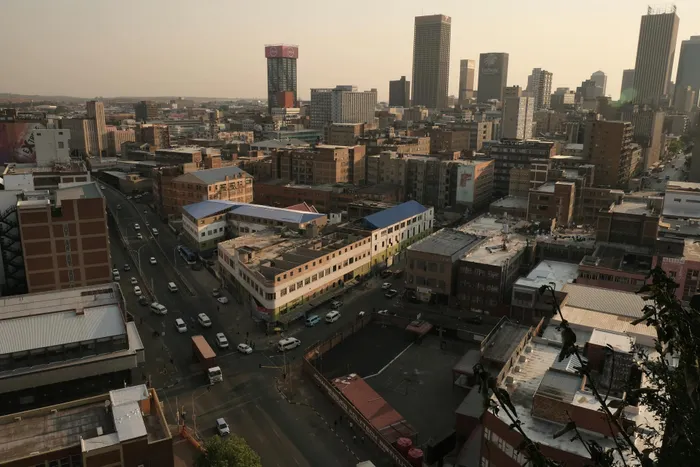
Billions of rands will be invested in the rejuvenation of the City of Johannesburg over the next decade.
This exercise will focus on strategic nodes that can deliver inclusive economic growth, spatial transformation and urban resilience, says the Johannesburg Development Agency (JDA).
The Johannesburg Development Agency has, over the years, channelled significant capital investments into the revitalisation of Johannesburg, undertaking public environment upgrades, infrastructure, precinct development, and catalytic projects, says Kenneth Nxumalo, the spokesperson for the JDA.
He says this investment spans inner-city regeneration as well as township and nodal development across the Johannesburg metro.
“The JDA achieved a total of approximately R5.26 billion in capital expenditure over the last five years towards infrastructure development and urban revitalisation projects across the City of Johannesburg.”
The area-based development agency says achieving this will require continued political and institutional support, predictable capital budgets, strong project pipelines and deeper partnerships with the private sector, development finance institutions and other spheres of government.
JDA says it is the implementing agency servicing the City of Johannesburg and client departments, driving the resilience, liveability, and sustainability strategy.
“Over the years, more than 1 500 projects were implemented, working with construction companies to empower SMMEs around Johannesburg. These include areas like Alexandra, Diepsloot, Soweto, Orange Farm, Braamfischer, Newtown, and surrounding areas,” says Nxumalo.
Infrastructure development is one of the most capital-intensive areas of municipal spending, JDA says.
It says this has the potential for the greatest impact, as capital projects are all large-scale projects that provide jobs for the people and work opportunities for businesses, and the final projects can offer a massive improvement in citizens’ quality of life.
Achieving a capital investment milestone of over R5.26 billion is not simply a function of budgeting- it is the result of a highly structured, multi-stage project management lifecycle, underpinned by good governance, planning, and execution discipline.
This involves:
Together, the JDA says this structured lifecycle ensures that large-scale public infrastructure spending is efficient, accountable, and delivers real impact for the city.
Over its 25-year history, the JDA has implemented more than 1 500 projects across all seven administrative regions of Johannesburg, directly contributing to the transformation of neighbourhoods and the strengthening of local economies, says Nxumalo.
Recent and ongoing projects that reflect this impact include:
For years, the narrative surrounding Johannesburg’s commercial sector has been one of distress, said Cobus Odendaal, CEO of Lew Geffen Sotheby’s International Realty in Johannesburg’s northern suburbs and Randburg.
He said vacancy rates soared, iconic buildings stood empty, and investors looked nervously towards the Cape.
However, beneath the surface of these statistics, a structural shift of immense significance is said to be taking place-one that is quietly transforming the urban fabric of Gauteng’s economic heartland.
In Johannesburg’s northern suburbs and Randburg, the city is witnessing a mass movement from commercial to residential, says Odendaal.
Nearly one in five office purchases nationally are now intended for residential or mixed-use conversion, but in Johannesburg, this figure skyrockets to an estimated 38.1%.
This is not merely a symptom of a broken office market; it is a strategic, market-led solution to two of the most pressing urban challenges: an oversupply of outdated commercial space and a critical shortage of well-located housing.
“We are no longer just selling properties; we are witnessing the repurposing of the city. The question is no longer if these conversions will happen, but how we can navigate the complexities to ensure they create sustainable, inclusive, and vibrant urban communities,” Odendaal said.
Independent Media Property