

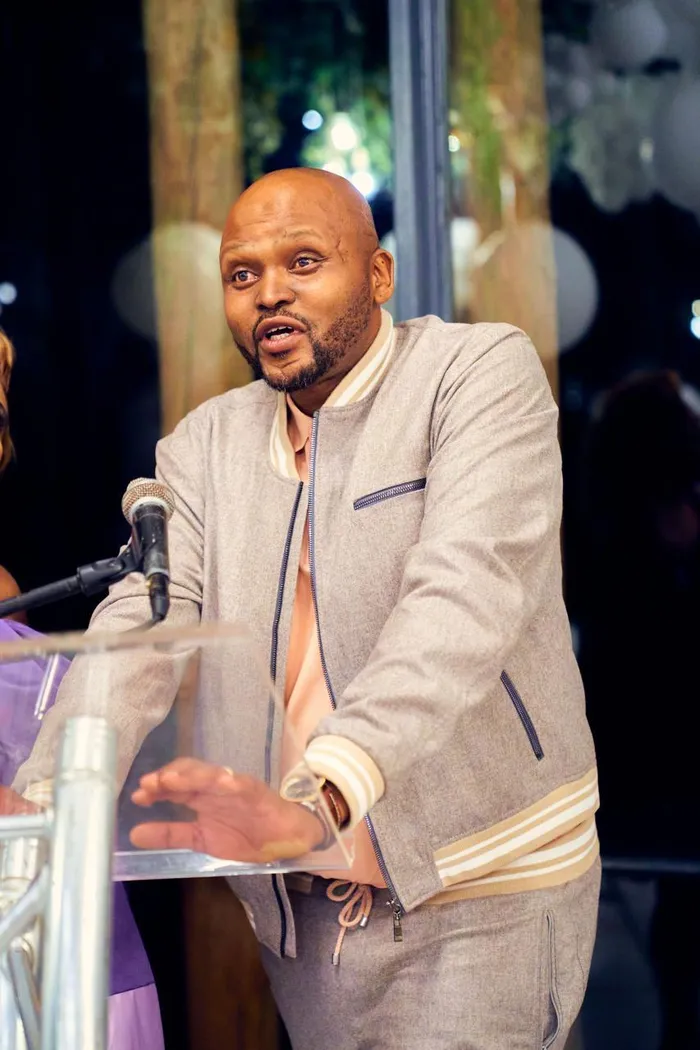
Sibusiso Khumalo has spent over twenty years shaping Durban’s nightlife, blending music, food and community through the shisanyama culture.
Image: Supplied
“When we opened Mojo’s two decades ago, Durban had great parties but few places that felt like they belonged to the city’s own people,” said Sibusiso Khumalo, founder and chief executive officer of Mojo’s Carwash & Shisanyama.
“We saw a gap between commercial nightlife and a genuine, homegrown cultural hub, nowhere for local DJs, bands, poets, dancers and cooks to grow, experiment and connect with their neighbours."
"From day one, we were intentional: programming, staff, suppliers and partnerships were chosen to build something that lived in the community, not above it.”
Khumalo said that the vision shaped every aspect of Mojo’s, from employing locals and giving stage time to emerging artists, to hosting charity drives, youth mentorship programmes and serving authentic cultural food.
“That intention shaped every decision, so Mojo’s became as much about culture and uplift as it was about a good night out,” he added.
Over the years, Mojo’s has adapted to changing music trends and audience expectations without losing its identity.
“We treated Mojo’s like a living organism, flexible but rooted,” Khumalo explained.
“The key decisions were prioritising local talent, keeping programming diverse, protecting the venue’s core values and anchoring the experience in local food and hospitality.”
Regular slots were maintained for the sounds that built the venue’s reputation, while new nights introduced experimental genres.
Upgrades to sound and lighting respected the room’s character. Hiring people from the neighbourhood kept the vibe authentic, and adding a kitchen celebrating township flavours allowed families to join in, not just late-night crowds.
“Listening to artists and patrons meant evolution felt like growth, not a sell-out,” he said.
Challenges were inevitable.
Economic downturns, rising operating costs and safety concerns tested the business. Trends that could have diluted Mojo’s uniqueness also posed pressure.
“Those challenges forced us to be resourceful,” Khumalo said.
“We diversified revenue with daytime events, community programmes and food offerings; leaned on local staff and suppliers; and doubled down on outreach through charity drives and mentorship."
"Hard seasons taught us resilience and humility and made the brand more than a venue. It became a community anchor people felt responsible for and proud of.”
Reflecting on the brand's 20-year journey, Khumalo defines legacy as stewardship.
“It’s about leaving a place where the next generation can find opportunity, mentorship and a stage to tell their stories."
"Legacy is measured in the artists we helped launch, the jobs we created, the community projects we supported, and the meals we shared that celebrated our culture.”
Looking ahead, Mojo’s continues to invest in mentorship programmes and programming that reflect Durban’s evolving soundscape, while safeguarding the values that made the venue a home for music, food and community.
In March, the brand celebrates 20 years of shaping culture in Durban.
From March 26 to 29, the anniversary weekend features a Golf Day and the launch of the Mojo’s Foundation, as well as the Ubuntu Long Table for collaboration and empowerment.
It also includes the Mojo’s Sneaker Affair with live performances by artists including Beast and Mshunqisi, Babes Wodumo, Christos, Ganyani, Ralf Gum, New Wave, DJ Sox and DJ Tira, DJ Merlon, King Sifiso, DJ Stokie, DJ Bongz, Benny Maverick, DJ Cndo, Skillz and many more.
The weekend blends celebration with culture, community and opportunity, cementing the brand as a Durban institution.