

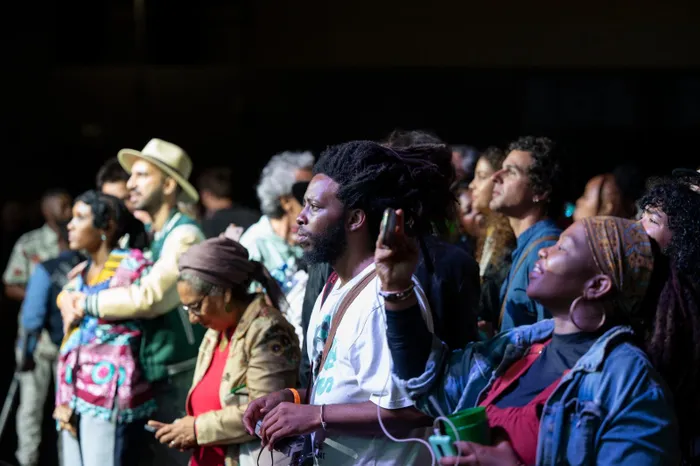
The crowd were entertained by up to 30 acts across several stages during the two-day festival.
Image: Armand Hough
The 23rd Cape Town International Jazz Festival 2026 wasn’t just a concert; it was a homecoming. Under the meticulous curation of Rayhaan Survé (Chairman of the Survé Family Office) and the visionary direction of Georgia Jones and Carolyn Savage, espAfrika transformed the Cape Town International Convention Centre (CTICC) into a living, breathing map of global sound. While the Metro Police ensured the city moved swiftly despite the “lockdown” buzz of a busy weekend, inside, the energy was purely electric.
A prelude of remembrance: Robben Island
The festival’s emotional weight was anchored by a profound pre-event at Robben Island titled "Music for a Shared Humanity". In a full-circle moment, former political prisoner James Mange returned to the soil that once held him, performing his iconic anti-apartheid anthem "Robben Island".
His presence, alongside the soulful delivery of rising Khayelitsha star Babalwa Meintjies, turned history into a shared catharsis. Meintjies’ rendition of the Xhosa lullaby "Ntyilontyilo" floated through the historic grounds like a hymn, setting a tone of resilience that would carry through the entire weekend. There was a quiet reverence in the air- an understanding that this festival, at its core, is as much about memory as it is about music.
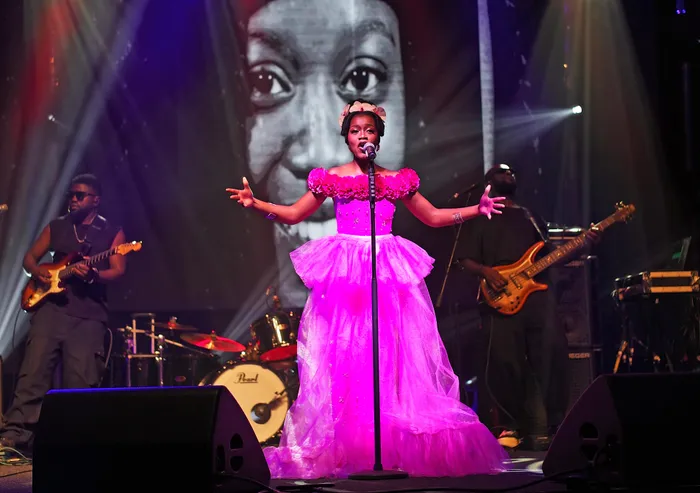
South African artist Rorisang Sechele performs at the Moses Molelekwa stage during the 2026 Cape Town International Jazz Festival.
Image: Ian Landsberg/ Independent Media.
Day 1: Soulful seeds and global giants
The journey at the CTICC began with the intimate power of Rorisang Sechele, whose project "The Seed" set a high bar, blending neo-soul and gospel with a striking sense of vulnerability. As the night matured, the legendary Sipho “Hotstix” Mabuse proved why he remains a cornerstone of Afro-pop. The Kippies Stage erupted as he tore through Burn "Out", reminding us all of the DNA of South African music. This energy was met with the contemporary fire of lordkez, who brought her signature “Aweh” vibes to the Manenberg Stage, cementing her status as a rising force with global reach.
The crescendo of night one belonged to Jacob Collier. In his first-ever African concert, Collier’s magnetic presence turned the audience into a massive, harmonic choir. His collaboration with the Thando Choir was an alluring, transcendent highlight - one that blurred the line between performer and audience, leaving the crowd breathless and deeply connected.
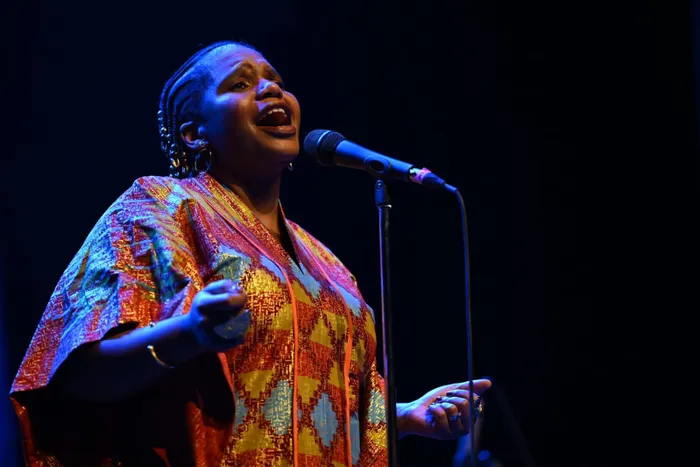
Tutu Puone performing aonthe Rosies stage during the Cape Town International Jazz Festival.
Image: Henk Kruger / Independent Media
Day 2: Poetry and patriotism
Saturday shifted the mood from high-octane pop to deep introspection and rhythmic intensity. Sió cast a literal spell over the Manenberg Stage; her haunting introductory poem reminded us that she is, first and foremost, a storyteller. Across the hall, Igor Butman & the Moscow Jazz Orchestra delivered a standout set on the Rosies Stage, while Tutu Puoane celebrated a beautiful full-circle moment, returning to the festival after nearly two decades with grace and depth.
The global heartbeat was felt strongest during Fatoumata Diawara’s set-an expansive, borderless performance that pulsed with Afro-futurist energy-but it was Yussef Dayes and "The Yussef Dayes Experience" who commanded the Kippies Stage with boundary-pushing precision. His “human bridge” of sound - a blend of jazz, broken beat and electronic intensity - was a masterclass in modern percussion, resonating with purists and new-age fans alike.
If the stages provided the art, Tyrone Paulsen of Heart FM provided the soul. In a moment of pure, unfiltered patriotism, Paulsen amplified the spirit of “No DNA, Just RSA,” turning the crowd into a unified chorus. The atmosphere shifted seamlessly from the “COVID prayer” of "Jerusalema" to the celebratory anthem "Vulindlela" by Brenda Fassie. But it was "Sister Bethina" by Mgarimbe that sparked true, chaotic joy - where decorum dissolved and strangers became family on the dancefloor.
Beyond the headline acts, the festival’s quieter moments offered their own magic. Intimate crowd exchanges, spontaneous singalongs and the hum of multiple languages created a textured, almost cinematic atmosphere throughout the venue. The seamless stage transitions and thoughtful programming ensured there was never a lull - only a continuous unfolding of sound, story, and spirit.
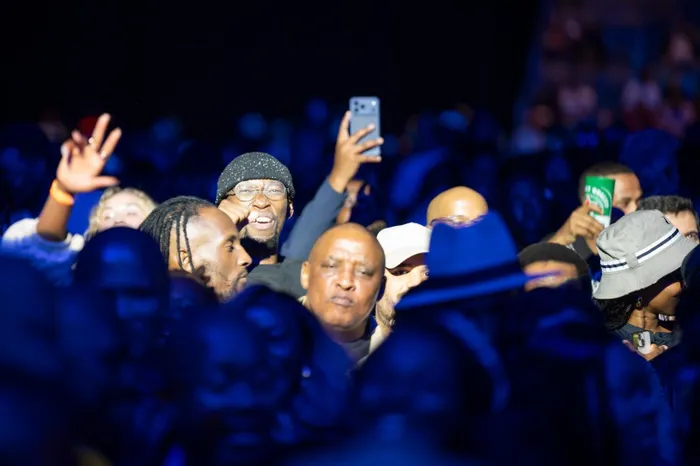
The 23rd CTIJF was a meticulous success as Africa's Grandest Gathering once again provided connection and community through music.
Image: Armand Hough
The verdict
The 23rd CTIJF was a meticulous success. From the socially conscious pop of Athlone’s finest to the velvety R&B of Luukhanyo, every artist carved their name into the festival’s living archive. As the lights dimmed on Sunday morning, one thing was clear: music doesn’t just transcend - it unites, heals and remembers. And in that truth, Cape Town once again affirmed itself as its African home.