

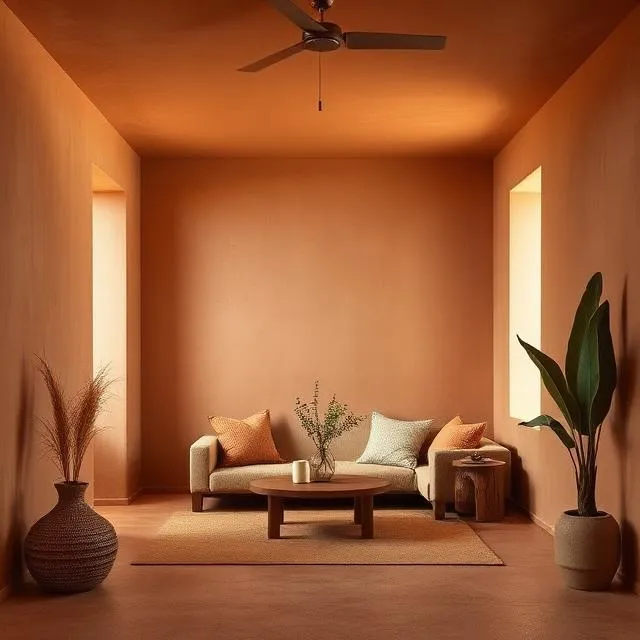
Warm-toned walls soften hard edges, balance modern finishes and stop rooms from feeling cold or clinical.
Image: Freepik
Homes, somewhere along the line, became painfully… beige. Or worse, aggressively white. Grey couches, white walls, one lonely plant shoved in the corner to prove someone has a personality.
Minimalism moved in, took over and refused to leave. At this point, seeing actual colour in a home feels rebellious. Almost radical.
Celebrity homes didn’t help. Gwyneth Paltrow’s infamous all-white, ultra-serene interiors look more like a wellness retreat where joy has been politely asked to whisper. Kim Kardashian took it even further, gifting the world echo-filled rooms in fifty shades of bone, cream and existential silence
So when interior design experts started whispering that warmth, texture and personality are officially making a comeback, it felt like a collective exhale. Finally. Homes are allowed to feel human again.
According to Plascon, 2026 is shaping up to be the year we stop designing houses for Instagram and start designing them for actual living. Perfection is out, and personality is back in.
One of the strongest trends emerging is what designers are calling "lived-in luxury". Think less showroom, more soul. Homes are no longer about matching everything perfectly or chasing sterile “quiet luxury”.
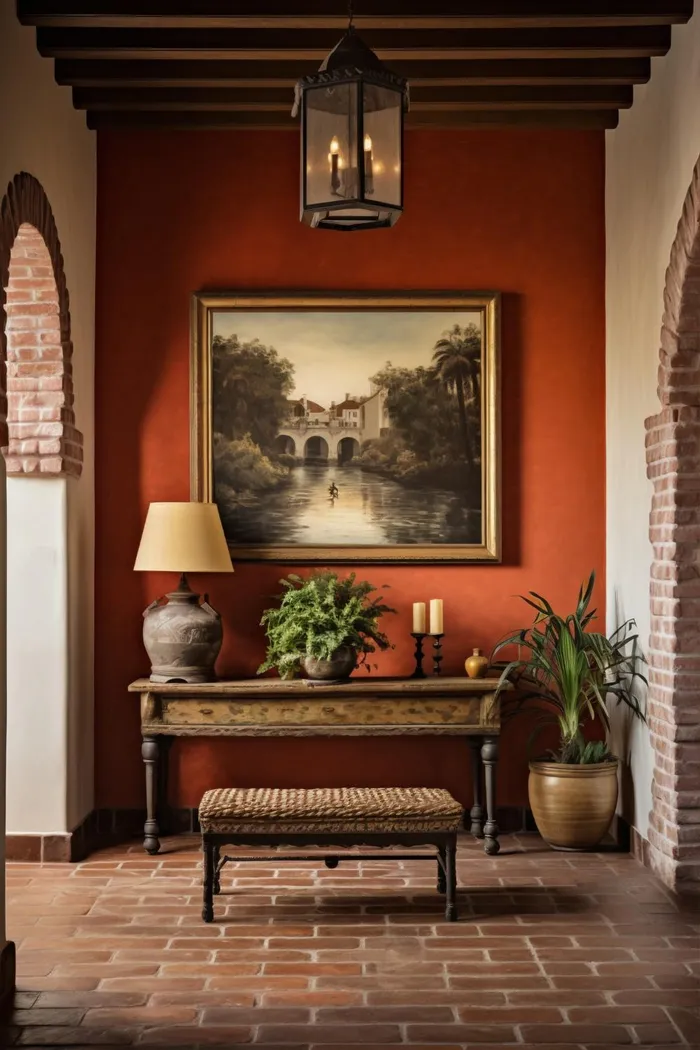
Vintage pieces mixed with modern furniture, handmade ceramics on shelves, soft fabrics you actually want to touch.
Image: Freepik
Instead, it’s about spaces that feel collected over time: vintage pieces mixed with modern furniture, handmade ceramics on shelves, soft fabrics you actually want to touch.
Texture is the new flex, from bouclé sofas and slubbed linen to aged wood and imperfect finishes. If it looks like you’ve lived a little, you’re doing it right.
Minimalism hasn’t disappeared, but it has softened. Warm minimalism is replacing cold whites and harsh greys with gentle, tonal palettes that cocoon rather than intimidate.
Lime-washed walls, warm timber, woven textures and curved edges are taking over bedrooms, reading corners and quiet spaces. Paint is being used to wrap rooms completely, creating calm environments that slow you down instead of showing off.
Even kitchens and living areas are getting a personality upgrade. Once treated purely as functional zones, these spaces are now styled with the same care as lounges.
Freestanding furniture, natural wood cabinetry and layered lighting are replacing rigid fitted perfection. Colour-drenched cupboards, painted ceilings and subtle tonal contrasts add depth and warmth without screaming for attention.
The goal is to make spaces that feel inviting, not intimidating. We don't need your wall art to be a rifle you used to kill a buck.
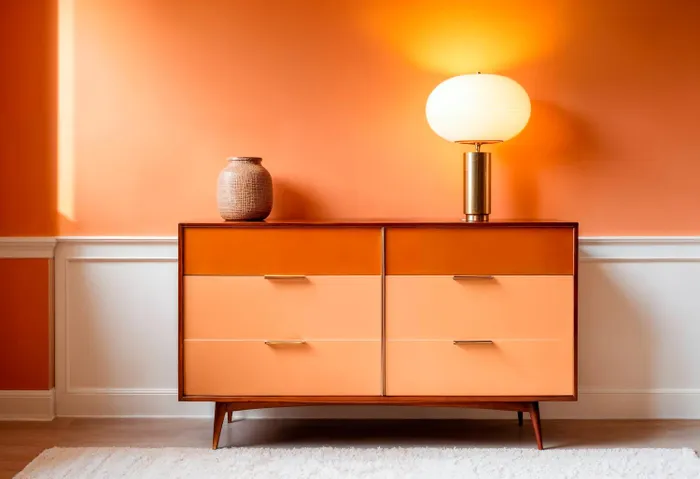
Colour-drenched cupboards, painted ceilings and subtle tonal contrasts add depth and warmth without screaming for attention.
Image: Freepik
One of the most underrated joys of "Come Dine With Me" was never just the food. Yes, the menus varied wildly (sometimes bravely, sometimes alarmingly), but the real magic was the homes – especially the kitchens.
You’d move from ultra-modern to cosy and character-filled in the space of one episode. Bold colours. Questionable wallpaper. Layers of texture and personality. It felt real. Lived-in. Human.
Which is why the 2026 interior design shift feels so satisfying. Texture is arguably the real star of the year ahead, and it’s finally getting the attention it deserves. From artisanal tiles and sculptural furniture to textile wall hangings, imperfect finishes and handcrafted details, there’s a renewed love for the handmade.
In a world ruled by AI, screens and endless scrolling, this return to craft feels intentional – and quietly nostalgic. It reminds us of homes that were built over time, not ordered in one click.
Plascon sums it perfectly: paint itself is a tactile, deeply human act. You don’t just choose a colour; you live with it.
It absorbs light, shifts throughout the day and quietly sets the mood. That’s why wall colours that bring warmth matter so much. Warm-toned walls make a home feel welcoming and grounded. They soften modern finishes, balance clean lines and stop spaces from feeling cold or clinical.
A warm wall doesn’t compete for attention – it holds the room together.
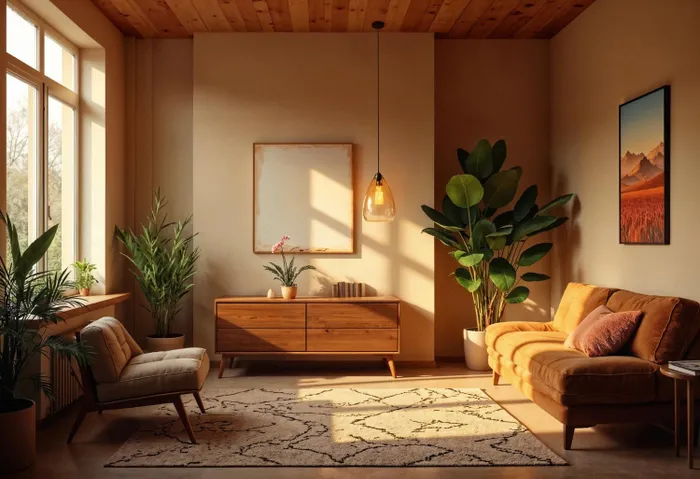
Warm-toned walls make a home feel welcoming and grounded.
Image: Freepik
Crucially, colour in 2026 isn’t about rigid rules or trend-chasing. It’s a tool, not a commandment. Whether you gravitate towards calm, nature-led shades or bolder colours with personality, paint exists to support how you actually live.
Homes are allowed to evolve, change and grow with you. Imagine that.
So how do you add warmth and personality without overwhelming your space?
Start with earthy neutrals. Warm beige, soft clay, muted taupe or mushroom tones work beautifully in living rooms and bedrooms, offering calm without tipping into bland.
For smaller spaces like kitchens, passages or guest bathrooms, richer colours can work in your favour. Deep olive, terracotta, or dusty blue add instant character and often make these areas feel more intentional.
If your home is compact, stick to tonal layering. Use different shades from the same colour family on walls, trims and ceilings to create depth without visual clutter.
In larger or open-plan homes, colour zoning is your friend. Slight shifts in warm tones can gently define spaces without relying solely on furniture.
And finally, trust your instincts. If a colour makes you feel good when you walk into the room, that’s the one.