

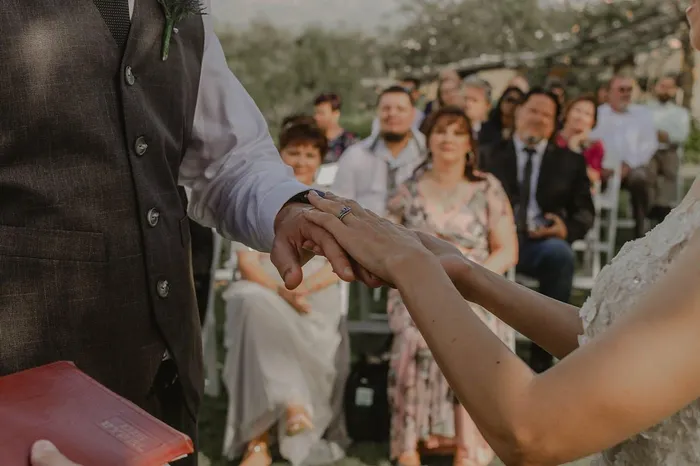
Wedding guests, family members, and even close friends are expected to show up with a better understanding of modern etiquette.
Image: Jay jay Redelinghuys / Pexels
Weddings may still celebrate love and commitment, but the rules around them have shifted.
Today’s ceremonies are more personal, more intentional, and often more carefully planned than ever before.
That means guests, family members, and even close friends are expected to show up with a better understanding of modern etiquette.
From RSVPs to social media, small missteps can quickly turn into major frustrations for couples. Here’s what you need to know to avoid becoming that guest.
Responding to a wedding invitation promptly is one of the simplest and most important things you can do. A delayed RSVP can disrupt seating plans, catering numbers and budgets.
Aim to reply within a week, even if you’re unsure.
Don’t assume you can bring a plus-one unless it’s clearly stated, and if children aren’t included on the invitation, it’s likely an adults-only event.
Social media has changed how weddings are shared, but it’s also created new boundaries.
Posting photos too early is one of the biggest etiquette missteps.
The couple should be the first to share moments from their day.
If they request an unplugged ceremony, respect it fully and keep your phone away.
Even after the wedding, be mindful of others in your photos. Not everyone wants to be online.
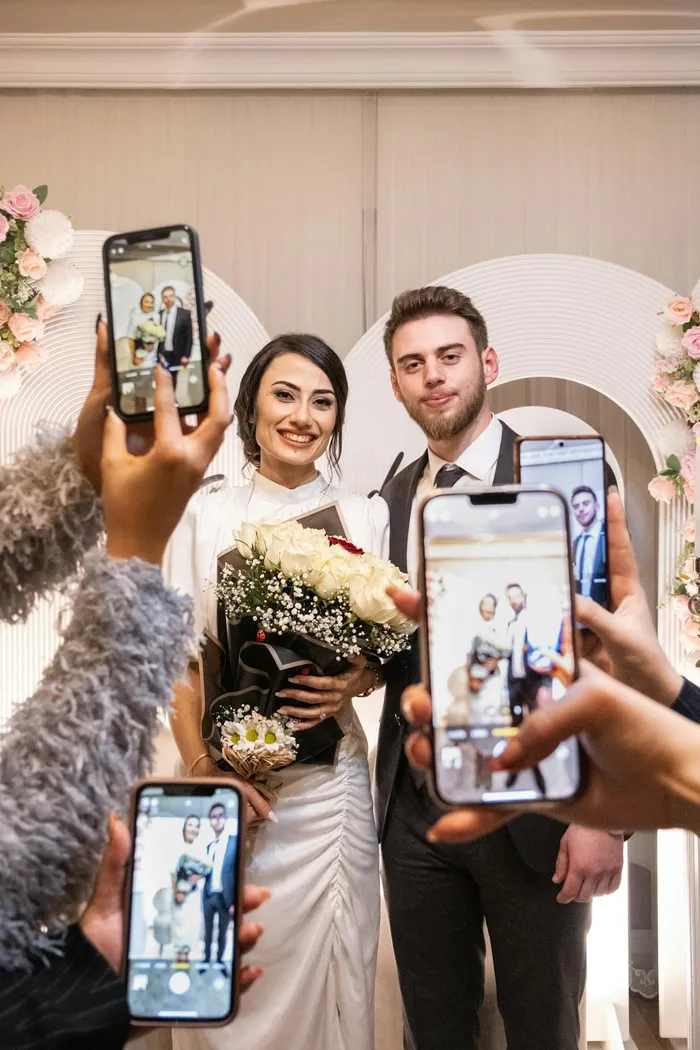
Wait until the couple have shared pictures before you post anything.
Image: Amine İspir / Pexels
For mothers-in-law, wedding planning can be a delicate space. The key is to support without taking over. Offer help, but don’t push your ideas.
Avoid inviting extra guests without permission, and don’t assume a role in speeches or decision-making unless you’re asked.
Outfit choices should also be considered carefully. Anything that competes with the bride is off-limits.
Gift-giving has evolved. Many couples already live together, so traditional registries aren’t always the focus.
If a registry exists, use it. If not, cash gifts or honeymoon contributions are widely accepted.
While you technically have up to a year to send a gift, sooner is always better.
And skip bringing large presents to the venue. It only creates unnecessary stress on the day.
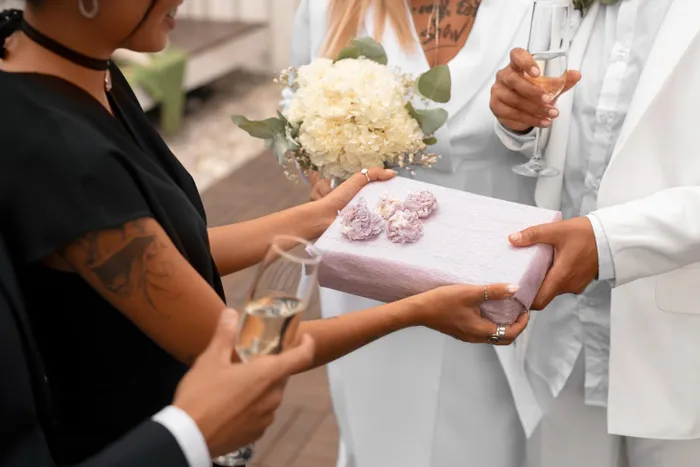
Skip bringing large presents to the venue.
Image: Freepik
When a couple sets a dress code, it’s there for a reason. Ignoring it can come across as disrespectful.
Black tie, cocktail, or smart casual each have clear expectations. If you’re unsure, rather ask than guess. It shows consideration and effort.
Dietary requirements should be communicated clearly when you RSVP, but only if they’re genuine. Allergies, religious restrictions and medical needs are valid and will be accommodated.
However, requesting special meals based on preference rather than necessity can put unnecessary pressure on the couple and caterers.
Weddings are celebrations, but they’re not the place to take the spotlight.
Avoid monopolising the couple’s time, pace your alcohol intake, and steer clear of inappropriate jokes or sensitive topics.
Stay at least until key moments like the cake cutting, and don’t use the event to make personal announcements.
Proposals, pregnancy reveals, or surprise speeches can take attention away from the couple and rarely go down well.
Whether children are invited or not, respect the couple’s wishes.
If kids are included, they should be supervised and removed if they become disruptive.
If they’re not invited, accept the decision gracefully.
Child-free weddings are increasingly common and usually come down to logistics, budget, or the couple’s vision.
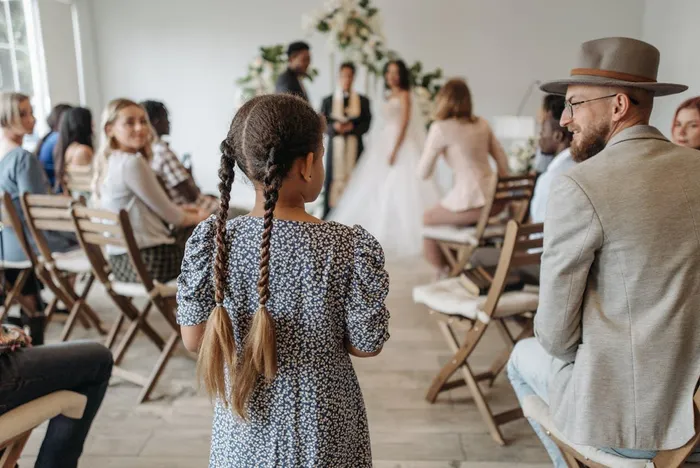
Whether children are invited or not, respect the couple’s wishes.
Image: Pavel Danilyuk / Pexels
Modern wedding etiquette isn’t about rigid rules; it’s about respect. Every detail, from the guest list to the menu, reflects the couple’s choices.
At its core, being a good wedding guest is simple: be considerate, be mindful, and remember whose day it really is.