

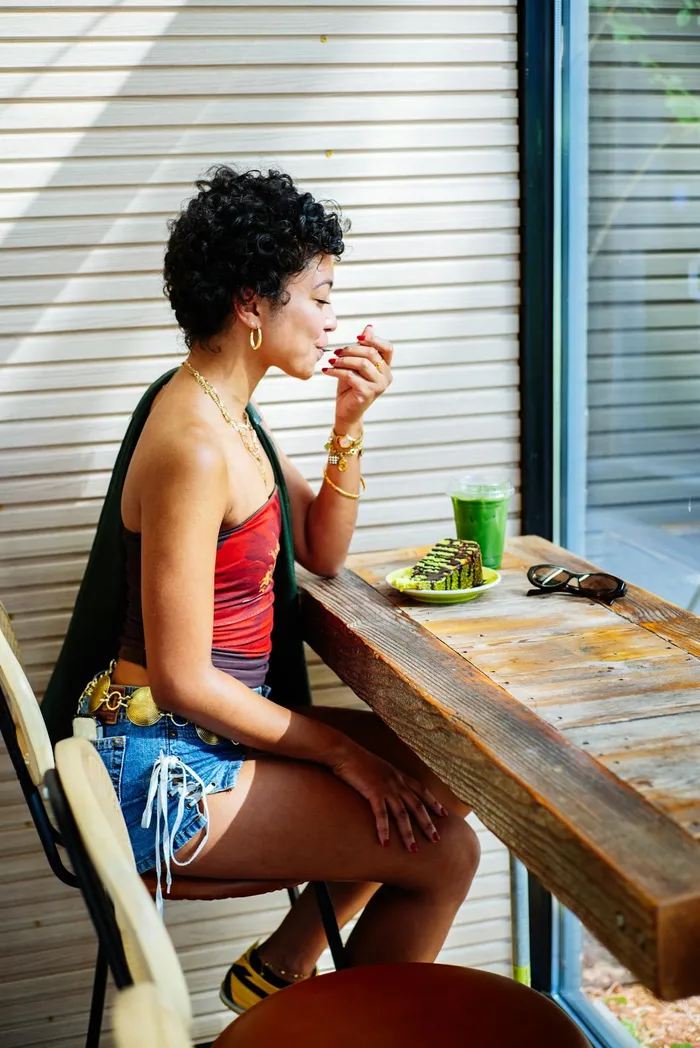
Discover how solo dining is being redefined in a culture that increasingly champions independence.
Image: Anthony Dalesandro/pexels
If you’ve ever taken yourself out for lunch properly, not a quick wrap at your desk, you’ll know there’s something deeply liberating about sitting alone at a restaurant.
No small talk duties. No negotiating meal choices. No pretending you’re fine sharing fries when you really aren’t.
Just you, your plate, and the soft hum of a world that finally feels like it’s moving at your pace.
For years, solo dining was seen as a sign of loneliness or bad luck. But things are changing as our lifestyles evolve, and many of us feel the urge to slow down.
So when a Korean noodle restaurant recently went viral for a sign that read, “We don’t sell loneliness. Please don’t come alone”, the internet didn’t take it lightly.
In fact, it lit up. But to understand why this moment mattered, you have to understand the world solo diners now live in.
A recent survey by a major reservation platform (via Business Insider) found that in big cities across the US, nearly half of diners at sit-down restaurants are solo. The number one reason? The focus is not on dating failure or loneliness, but on self-care.
In Australia, the research group NPD Group reported that solo dining now makes up 40% of all food-service traffic, a staggering shift that mirrors global trends. People are exploring new restaurants alone, taking themselves on work lunches, or using meals as intentional pockets of calm.
The stereotype of the awkward, lonely table-for-one is outdated.
As market researcher Subramania Bhatt told "TIME": “Media and brand narratives around the ‘solo economy’ now frame eating alone as a mark of independence and self-respect.”In other words, the solo diner of 2025 isn’t hiding in a corner. They’re reclaiming a corner table.
The now-infamous Yeosu City restaurant notice offered four options to solo customers:
And then the icing on the cake: “We don’t sell loneliness.”
The post, viewed over 30,000 times on Korean social media, triggered outrage. One user wrote, “The mindset of the owner seems outdated.” Another asked, “Why equate eating alone with loneliness?”
This wasn’t the first incident, either; several South Korean restaurants have been called out this year for mistreating honbap (solo meal) customers. Yet the irony is that single-person households in Seoul have risen from 29.5% in 2015 to 39.3% in 2023, according to "The Korea Times".
The society is shifting… the restaurant culture is struggling to keep up. But why are restaurant owners pushing back against solo diners?
It’s not always malice; sometimes, it’s math. The Korea Foodservice Industry Association told "Korea JoongAng Daily" that with rising labour and food costs, owners must maximise table turnover. A single diner taking a four-top during peak hours feels like lost money.
“If a single diner occupies a four-top at peak time, owners worry they’re losing two or three covers’ worth of potential revenue.”
After the pandemic’s financial hit, the pressure is real.
But here’s where things get tricky: economics doesn’t excuse discrimination, and it certainly doesn’t erase the emotional weight of publicly shaming people for being alone.
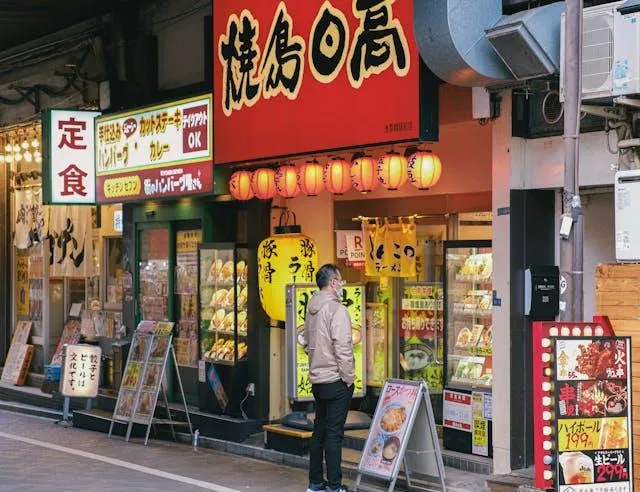
The Korean restaurant's sign inadvertently tapped into a broader, outdated belief that equates being alone with social failure.
Image: Huy Phan /pexels
The bigger question: Why are we still treating aloneness like a disease? That Korean restaurant sign tapped into something raw, the deep, outdated belief that being alone is the same as being lonely, and loneliness is something shameful.
But wellness culture has been telling us the opposite for years. Being alone isn’t a punishment. It’s a skill. A lifestyle. A boundary. Sometimes, even a quiet rebellion.
Psychologists have found that intentional alone time, what researchers from the University of Rochester call “self-determined solitude”, improves creativity, emotional regulation, and stress levels.
You’re not escaping people. You’re returning to yourself.
That’s what today’s solo dining trend is really about: permission. Permission to enjoy your own company. Permission to say, “I matter enough to take myself out.” Permission to live a full life without waiting for someone to join you.
The solo dining debate isn’t just about tables or turnover or noodle shops in Yeosu. It’s about how we’re reframing independence, adulthood and self-care in a world where more people than ever are single, healing, growing and learning to love their own company.
The truth is simple: Restaurants don’t sell loneliness. But they do sell food. And you shouldn’t need a plus-one to enjoy it.