

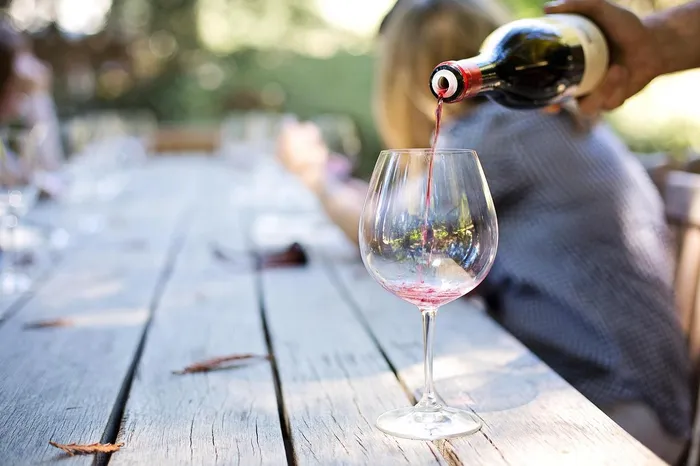
Wine-O-Clock, a regularly used, funny term, is actually having more dire consequences than previously thought
Image: Pixabay
It’s often described in a light-hearted manner — the 5pm glass of wine that occasionally morphs into a bottle or the clandestine sips taken behind pantry doors. But a deeper, more troubling reality lurks within what has been termed the “wine o’clock culture.”
Recent observations and international documentaries highlight a distressing trend: women aged 40 to 60 are turning to alcohol at rates exceeding those of their male counterparts, and in many cases, they are drinking more than ever before.
The underlying motivations for this surge in alcohol consumption differ vastly from conventional perceptions of partying or casual relaxation. Kerry Rudman, the founder of Brain Harmonics, stresses that for many women, this is not simply about socialising or indulgence — it’s about survival.
“We’re seeing an increase in alcohol use among women facing tremendous pressures,” Rudman explains.
“These pressures stem from juggling demanding careers, managing households, raising children, caring for ageing parents, and coping with life transitions like divorce or bereavement, all while maintaining a façade of stoicism.”
For these women, alcohol becomes an escape hatch — a means of coping with ongoing exhaustion rather than a reckless choice.
The most alarming aspect of this trend is its pervasive nature. Many of these women are classified as functioning alcoholics; they complete daily tasks and meet professional obligations while battling feelings of burnout, anxiety, and insomnia that lie just beneath the surface.
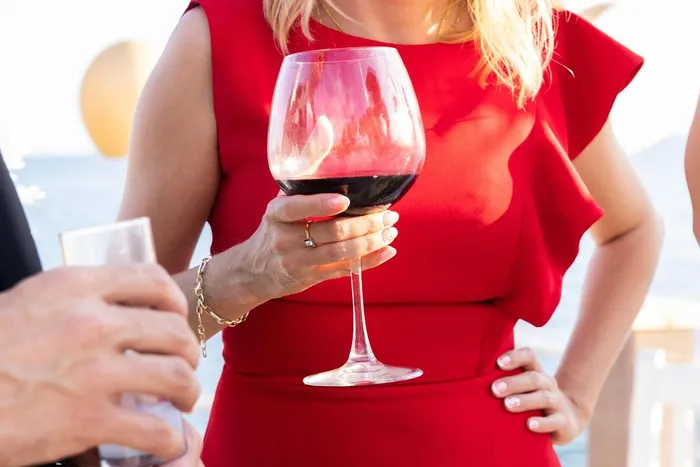
Wine-O-Clock, a regularly used, funny term, is actually having more dire consequences than previously thought, with studies showing that women between the ages of 40 and 60 are drinking more alcohol than their male peers
Image: Pixabay
They reportedly lead boardroom meetings, prepare children’s lunches, and meet deadlines, yet increasingly, they mask a growing sense of overwhelm with the help of alcohol.
Society’s response to this behaviour further complicates the issue. While men are often celebrated for using alcohol to unwind — think of after-work drinks or a few brews on the golf course — women face societal stigma for similar behaviour.
“There’s a prevailing judgement against women who drink to cope,” Rudman observes.
“Rather than offering understanding and support, society often scorns them. This shaming inevitably prevents meaningful discussions about alternative coping mechanisms.”
The need for these discussions is more pressing than ever. Experts suggest that to properly address the issue, society must create a dialogue focused on empathy and support rather than blame and shame.
For Rudman and her colleagues, exploring alternative, drug-free therapies is crucial. “Neurofeedback therapy isn’t a quick fix but offers a gentle, non-invasive approach to rewiring the brain,” she explains.
“It equips women with tools to manage stress, anxiety, and even trauma without alcohol or medication.”
This therapy has already empowered countless South African women to regain control over their lives — encouraging them to acknowledge that midlife does not have to be survived through the haze of Sauvignon Blanc or Monastrell.
“We’re advocating for awareness, showing that they’re not alone and there are healthier options available,” Rudman states.
The mounting pressures on women in their 40s, 50s, and 60s won’t dissipate anytime soon. However, the resilience exhibited by women who bear the weight of families, businesses, and communities is resolute.
“We need to foster open conversations,” Rudman urges, “that reflect empathy and support. Every woman deserves a chance to navigate these challenges without falling prey to harmful coping strategies.”
If you or a loved one are struggling with feeling overwhelmed, seek help. Contact the South African Depression and Anxiety Group.
IOL