


Serena Williams has publically endorsed GLP-1 medication to help with weight loss.
Image: X/ZReitano
The burgeoning interest in medical weight management treatments reflects a growing concern around obesity and its associated health issues in South Africa. Recent local regulatory approvals have sparked attention for medicines such as glucagon-like peptide-1 (GLP-1) and GIP receptor agonists, which show promise in managing obesity.
However, pharmacist Hanri du Preez of Medipost Pharmacy warns that these treatments must be approached responsibly and under medical supervision.
“The growing interest in prescription weight-management medicines reflects both the rising burden of obesity-related disease and the need for better public understanding,” Du Preez explains.
With howling statistics on the obesity crisis, it’s clear that South Africa is not immune. Obesity-related health conditions like type 2 diabetes and hypertension present significant challenges for many South Africans today.
Historically, the capacity to store fat was essential for our ancestors’ survival. Yet, in our calorie-dense and increasingly sedentary modern lifestyles, this instinct to store fat contributes to rising obesity rates worldwide.
“This disease burden is particularly pressing here in South Africa,” Du Preez notes. As a response, medical interventions are garnering interest from the public, such as treatments designed to regulate appetite, slow digestion, and improve blood sugar levels.
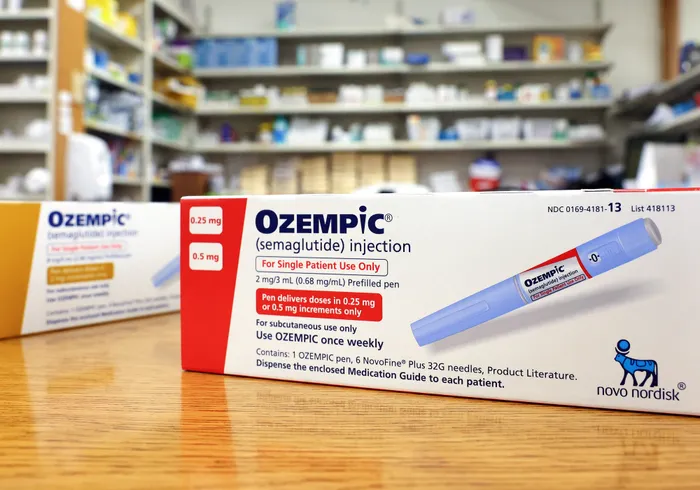
With high rates of obesity and related health conditions plaguing South Africa, understanding the nuances of medical weight management treatments is crucial.
Image: AFP
Though promising, these treatments are far from universal solutions. Du Preez underscores that GLP-1 injections are not a ‘magic bullet’. “They are medical tools that must complement a broader health plan, as prescribed by a doctor,” she clarifies. “When used correctly and under medical supervision, these medicines can support weight loss and improve metabolic health. They may also reduce inflammation, which holds significance for chronic disease management.”
Medipost Pharmacy advocates for accessible prescribed medicines, including GLP-1 and GIP receptor agonists. Their national dispensing and delivery service aims to facilitate treatment adherence. Yet, critical to maximising their efficacy is the necessity of appropriate use.
The treatments are intended for adults and adolescents over 12 living with obesity or overweight individuals managing related health conditions. Potential patients must undergo thorough evaluations by qualified practitioners to ensure the therapy’s benefits outweigh any possible risks, especially given that certain demographics— including pregnant or breastfeeding women, and others with specific medical conditions—should avoid these treatments.
“Medical supervision is non-negotiable,” warns Du Preez. “Using these medicines without proper assessment can be dangerous.”
As with any medication, GLP-1 therapies can lead to side effects, especially at initiation or when doses increase. Common effects include gastrointestinal symptoms, headaches, and changes in appetite. “It is essential to have realistic expectations when using these medications,” Du Preez advises. “Weight management is about more than just medication—it's about lifestyle changes.”
The role of nutrition and physical activity cannot be overstated. Safe weight management necessitates fat loss rather than muscle loss. “Ensuring adequate protein intake and engaging in regular strength-based exercise are vital,” she states. “Medication alone will not yield lasting results. A long-term commitment to lifestyle changes is essential for sustainable health.”
In many cases, patients seeking weight-management support are also coping with other chronic issues like diabetes or cardiovascular concerns. This complexity necessitates coordinated care to ensure comprehensive support.
Effective weight management must involve a commitment to balanced nutrition, physical activity, and mental wellbeing—a holistic approach that aims for lasting health improvements.
Du Preez reiterates, “Medication can support the journey towards a healthier waistline, but it cannot replace healthy habits. Informed decisions and professional guidance form the foundation of sustainable health outcomes.”
Outside expert guidance, the popularity of medications like GLP-1 is simultaneously fuelling the illegal online trade of unregulated products. Du Preez warns, “If these medicines are offered online without a prescription, they are either counterfeit or being sold illegally.” The stakes are high; counterfeit products pose serious health risks and take advantage of vulnerable individuals seeking quick fixes.
Your health should not be gambled on misleading social media trends. Consult a trusted healthcare professional to ascertain the most appropriate solutions for your specific circumstances.
IOL