


A recent Google Trends report highlights the surging interest in wellness vaping
Image: Olena Bohovyk /pexels
In 2026, the boundary between lifestyle habits and healthcare has blurred.
Among the latest trends redefining wellness is the emergence of AI-powered “wellness vapes” devices promising to alleviate stress, deliver essential nutrients, and optimise mental health through a single puff.
A recent Google Trends report highlights the surging interest in vaping.
Vaping remains a high-interest topic primarily due to the rapid growth of the e-cigarette market, evolving public health warnings, and shifting consumer purchasing habits.
But can these high-tech gadgets genuinely address the global stress epidemic, or are they simply another wellness fad wrapped in sleek marketing?
Once synonymous with nicotine and addiction, vaping has undergone a dramatic makeover. Today’s “wellness vapes” boast infusions of vitamin B12, melatonin, CBD, and even essential oils, catering to the health-conscious who crave convenience and instant gratification.
The promise is faster absorption of nutrients directly into the bloodstream, as opposed to traditional pills or powders.
While some ingredients in wellness vapes (e.g., B12, melatonin) are safe for ingestion, inhalation safety is largely untested.
A study published in the British Journal of Haematology found no advantages to inhaling vitamin B12 compared to traditional supplementation.
Even more concerning, common e-liquid components like propylene glycol and vegetable glycerin can break down into harmful chemicals when heated, such as formaldehyde. These substances harm immune cells in the lungs, raising serious questions about long-term safety.
This evolution reflects a broader cultural shift: consumers now expect every product they use to serve a functional purpose. Inhaling vitamins, brands claim, offers an "optimised" shortcut to better sleep, improved focus, or reduced anxiety.
And while the appeal is undeniable, especially in an age where self-care is king, experts urge caution. Are these devices a genuine leap forward in proactive health, or are they a high-tech Band-Aid for deeper issues?
What sets 2026’s wellness vapes apart is their integration of AI and biometric tracking. These “smart inhalers” go beyond delivering vapour; they monitor heart rate variability (HRV), track respiratory patterns, and sync with wearables to provide real-time insights into stress levels.
For many, the fusion of technology and wellness creates an irresistible allure. These devices fit neatly into the “quantified self” movement, where users track every aspect of their health, from sleep cycles to calorie intake.
Even though the modern, tech-focused design suggests it will help you feel calm and clear-headed, some experts believe that keeping a constant check on your health could actually increase stress instead of reducing it.
According to recent data, 41.5% of individuals who vape do so primarily for stress relief. Wellness vapes market themselves as a calming ritual, a way to pause, breathe, and reset. However, psychologists warn of a potential downside:
While a puff of melatonin or CBD may offer immediate comfort, it risks creating a sensory dependency. Over time, users might rely on these devices to manage stress, ignoring deeper emotional or mental health challenges.
The constant feedback from biometric sensors could be overwhelming, turning what should be a relaxing ritual into a source of anxiety. Instead of reducing stress, users may find themselves hyper-aware of every heartbeat or breath.
Unproven health claims and effects of vapes on health:
Despite their popularity, wellness vapes lack rigorous scientific validation. The FDA has not approved any vaping product for improving health, and critics argue that inhaling vitamins may not be as beneficial or safe as brands suggest.
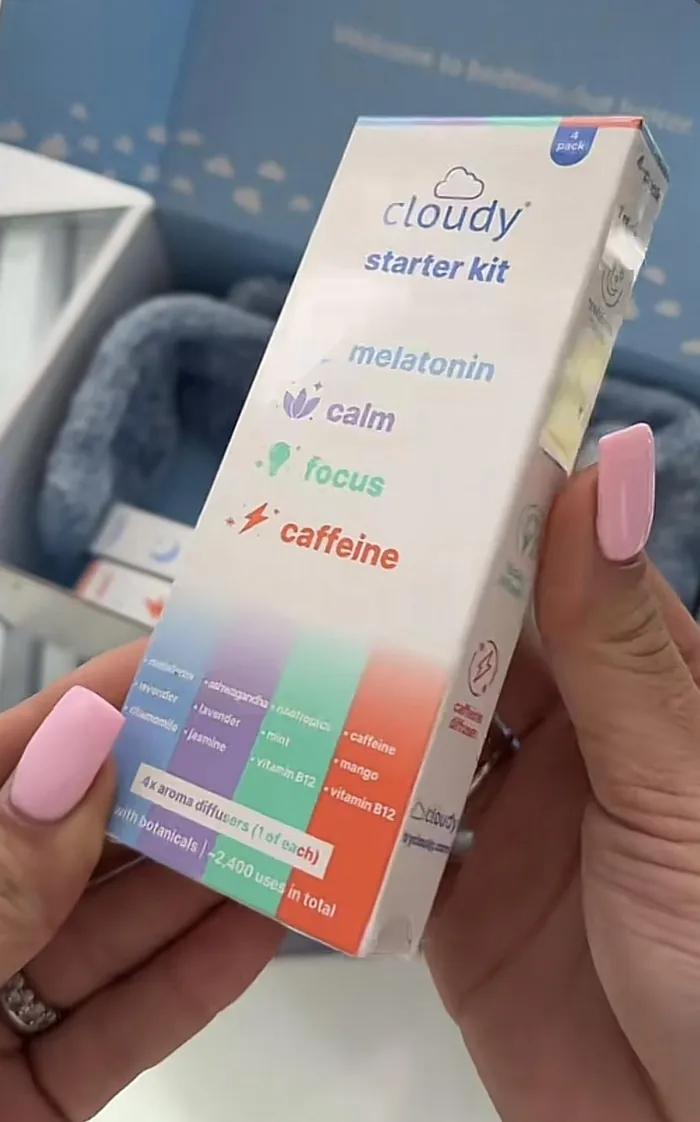
AI-powered “wellness vapes” a new breed of vapour devices that claim to alleviate stress, deliver essential nutrients like vitamin B12 and melatonin, and optimise mental health with just a puff
Image: TikTik
According to the Centres for Disease Control and Prevention, "wellness vapes" marketed with vitamins or essential oils carry significant health risks:
The idea of a stress-reducing, health-enhancing vape is undeniably appealing. In a world where 65% of wellness-conscious consumers prefer instant solutions, it’s easy to see why these devices have gained traction.
But the reality is more complex.