


Foods that contain peppers and hot sauces may directly irritate the oesophagus and stimulate acid production.
Image: Nadin Sh /Pixabay
Heartburn has quietly become one of those everyday health complaints many women brush off right up until it starts showing up after every coffee, late dinner, or glass of wine. What once felt like an occasional nuisance is now, for many, a recurring lifestyle disruption.
And according to medical experts, that shift from occasional to constant is where the real concern begins.
At its core, heartburn is not a disease; it’s a symptom, often linked to acid reflux, a condition where stomach acid flows backwards into the oesophagus. That familiar burning sensation in the chest or throat is the body’s way of signalling that something deeper may be happening.
And if it’s happening often, it’s worth paying attention. “Acid reflux occurs when gastric contents like acid, bile, or pepsin flow back into the oesophagus," Dr Vikram Tarugu, a gastroenterologist specialising in oesophageal health, told "Goop".
“Unlike the stomach, the oesophagus lacks a protective mucosal lining, so when this happens, it produces the burning sensation we call heartburn.”
For many women, this experience arrives during life transitions that affect hormones, routines, and stress. Persistent heartburn is a lifestyle health issue, not just a medical one.
If you’ve noticed heartburn creeping into your daily life, you’re not imagining it. Hormones play a powerful role, particularly during pregnancy, menstruation, perimenopause, and menopause.
Research supports this trend. A study published in BMC Gastroenterology found that 12.5% of pregnant women experienced weekly heartburn in the first trimester, rising to 21.5% in the second trimester and 35.3% in the third trimester, compared to 1.6% of non-pregnant women.
But pregnancy is only part of the picture. Perimenopause and menopause, with their shifting oestrogen and progesterone levels, can also make reflux symptoms more noticeable.
During perimenopause and menopause, changes in progesterone and oestrogen can change the sensitivity and motility in the oesophagus. That makes reflux symptoms feel stronger and more frequent.
Identifying the specific triggers for heartburn can be a personalised journey, yet they generally fall into three overarching categories: dietary, lifestyle, and medical and mechanical factors.
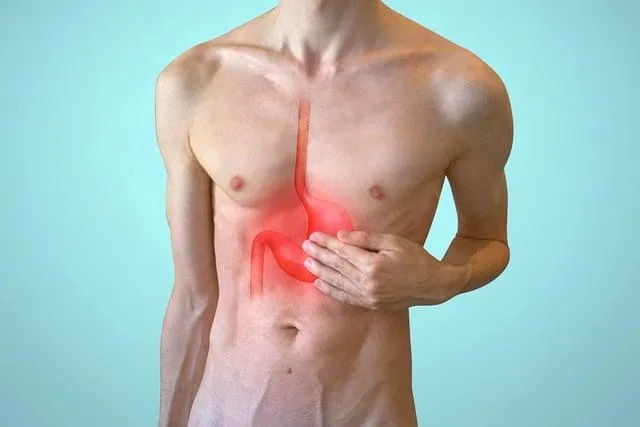
Persistent heartburn is increasingly seen not only as a medical issue but also as a lifestyle health concern.
Image: Robystarm /Pixabay
Sometimes, heartburn triggers are not merely lifestyle choices but physiological states or medications that necessitate awareness and management.