

Ashley Tisdale's bold step away from a toxic mom group resonates with the silent struggles of many new mothers.
Image: Social media
Most of us are familiar with the saying, "It takes a village to raise a child."
As a mom, I’ve held onto that idea during tough nights and moments of doubt. But what happens when the village that you count on starts to hurt your peace? When the safe place you hope for turns into a repeat of old high school hurts?
Ashley Tisdale, former "High School Musical" star turned lifestyle advocate, recently shook the internet by opening up about her decision to leave her mom group.
In her blog, "By Ashley French", she penned an essay titled, "You're Allowed to Leave Your Mom Group", and later followed it up with a honest piece for "The Cut" titled "Breaking Up With My Toxic Mom Group".
Her words struck a chord, not just because of her celebrity status, but because they shed light on something many of our mothers have experienced but rarely speak about.
Tisdale, who shares young children with her husband, composer Christopher French, wrote about joining a mom group during the vulnerable early days of parenting.
She craved connection as much as she craved sleep (and let’s be honest, don’t we all?). So, like many moms, she joined a mom group.
Initially, it was everything she needed: a place to swap parenting advice, share milestones, and celebrate the tiny wins that make up early motherhood.
“It was a village of moms I didn’t know I needed,” she wrote.
But not all was as warm as it seemed; quiet tensions simmered underneath, growing harder to ignore.
What happens when the village turns toxic?
In her essay, Tisdale revealed that the mom group dynamic started to mirror the worst parts of high school.
“I noticed certain people would get talked about when they weren’t present, not in a positive way,” she shared.
“There were group text chains that didn’t include everyone, and cliques began forming within the larger group.”
Her breaking point came after scrolling through social media and seeing photos of group hangouts she hadn’t been invited to.
“It felt intentional and I couldn’t help but think, ‘Aren’t we supposed to teach our kids to include others? To be kind?'."

According to the American Psychological Association, one in seven women faces postpartum depression, an issue that can be exacerbated by a lack of support.
Image: Yan Krukau /Pexels
The exclusion left her reeling, bringing back feelings of inadequacy she hadn’t experienced since her teenage years.
“Here I was, alone one night after getting my daughter to bed, wondering, ‘Maybe I’m not cool enough?’”
Eventually, she decided enough was enough. She sent a message to the group: “This is too high school for me, and I don’t want to take part in it anymore.”
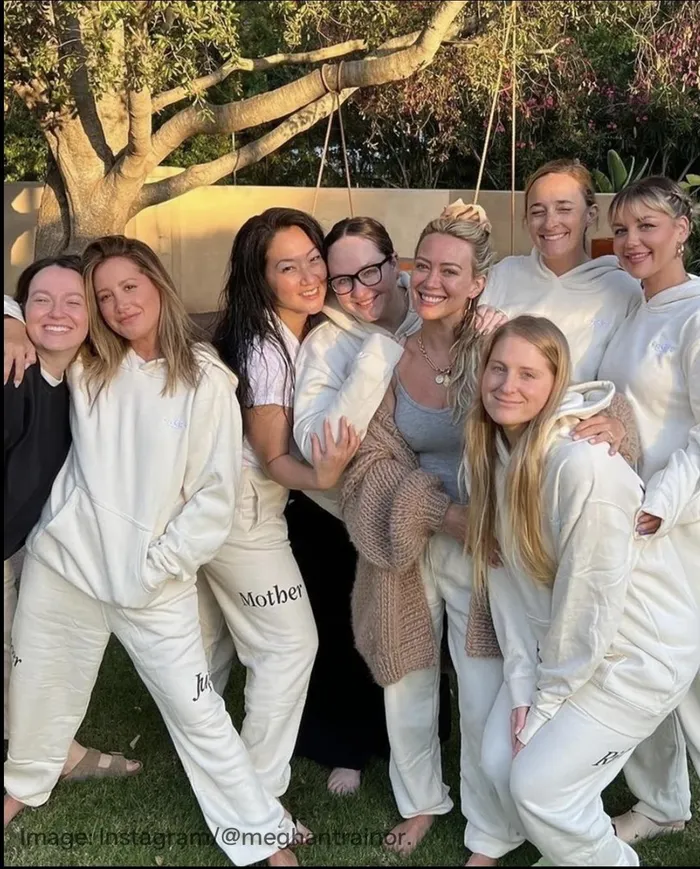
The story went viral not just because Tisdale was honest, but also because of all the speculation. People online quickly linked the story to celebrity moms like Hilary Duff, Mandy Moore, and Meghan Trainor, who have been seen with Tisdale before.
Rumours started: Was it about politics? A disagreement over values?
Tisdale’s team has since denied these claims, calling the speculation baseless.
“The essay was not about any specific group of friends,” her rep clarified to "TMZ", adding that Tisdale remains a registered Democrat despite online rumours.
In her essay for "The Cut", Tisdale humorously addressed the frenzy, saying, “Wannabe online sleuths tried to do some investigating like they’re on CSI. Please, don’t even try; whatever you think is true isn’t even close.”
But beyond the celebrity gossip lies a deeper, more relatable truth: Tisdale isn’t the first mom to feel excluded, and she won’t be the last.
Honestly, Tisdale’s experience is going viral because it touches on something so many moms have felt but are afraid to voice. Mom groups are meant to be a source of support, but they can become breeding grounds for judgement, comparison and exclusion.
As moms, we’re often told to prioritise our kids’ social-emotional growth, teaching them to be kind, inclusive and empathetic. But somewhere along the way, we sometimes forget to model those behaviours ourselves.
And let’s not ignore the mental health implications. Loneliness and exclusion can take a toll, especially during the already isolating postpartum period.
According to the American Psychological Association, one in seven women experiences postpartum depression, and a lack of support can exacerbate those feelings.
Tisdale’s decision to leave her group wasn’t just about protecting herself; it was about setting an example for her daughter.
“I knew I had to speak up for myself, just like I would want my daughter to do,” she wrote.
So, what can we learn from this? First, that it’s okay to walk away from spaces that no longer serve you. Whether it’s a mom group, a friendship, or a workplace, prioritising your mental health isn’t selfish; it’s necessary.
Second, let’s use this moment as a reminder to check in with ourselves and our communities.
Are we fostering inclusion, or are we unintentionally creating cliques? Are we uplifting each other, or are we falling into the trap of judgment and comparison?