


The greatest act of love this month might not be booking the perfect dinner. It might be choosing yourself.
Image: Pexels/ RDNE Stock
February comes with red roses, satin bows, and Instagram posts about “forever”. It’s known as the month of love, full of romance and surprises.
But behind the celebrations, many people are quietly dealing with relationship red flags they’ve been trying to ignore.
Valentine’s Day has a way of magnifying emotions. It can make love feel urgent and loneliness louder. And that urgency is exactly why unhealthy relationship dynamics are often overlooked this time of year.

As Valentine's Day approaches, take a moment to assess your relationship's true nature.
Image: Timur Weber /pexels
We hope for the fairy tale. We want someone by our side. We want our story to have a happy ending.
Psychologists call it motivated perception, our brain’s ability to filter reality to protect hope. Add dopamine and oxytocin, the “love hormones”, and we are primed to defend the fantasy.
The result? We minimise warning signs in relationships because the alternative feels too painful.
The fear of loneliness is real. So is the sunk cost fallacy staying because we’ve already invested time, emotion, and even plans? Big occasions like Valentine’s Day intensify this. Nobody wants to breakup before a romantic dinner reservation.
Nobody wants to explain to family why they showed up alone.
Ignoring red flags can prove far more costly than simply cancelling a booking, cautions Margaret Ward-Martin, a BACP counsellor and psychotherapist who founded The Grace Project.
“To stay safe in relationships, I would suggest paying equal, if not more, attention to how you feel as well as what you hear and see. Often, predators and abusers are adept at saying the right things, knowing what you likely want to hear and what works.
"They are accomplished manipulators. Initially, you may be told how handsome, gorgeous, successful you are and how fortunate this potential partner feels to have found you.
"There may be gifts and trips and flattery, and it’s all, simply perfect, except you are feeling stressed or unsure or something that you cannot describe, but it feels ‘off’.”

This February, consider what love should feel like and choose to put yourself first.
Image: cottonbro studio/pexels
That word off is powerful. It’s the quiet inner signal we override to keep the peace.
Unhealthy relationships rarely begin with obvious chaos. They begin with confusion.
Do you feel confused because what they say doesn’t match what they do?
Do you feel unsafe, hesitant to raise concerns in case it escalates?
Do you feel dismissed, labelled “too sensitive” for expressing discomfort?
Do you feel criticised for having an opinion?
Do you feel anxious, constantly gauging their mood?
Do you feel controlled, even under the guise of care?
Do you feel diminished, smaller than you used to be?
If Valentine’s Day feels like a performance instead of a partnership, pay attention.
Ward-Martin explains that control often arrives disguised as devotion.
“Are you sure you should eat that?” “Stay with me tonight.” “You look cold.” On the surface, it can appear caring. Over time, it erodes autonomy.
Tracking your location “for safety” without consent. Discouraging friendships. Subtle put-downs framed as jokes. These are not romantic gestures; they are early signs of coercive control.
Why do we ignore them? Because we are invested in the idea of love. Because social media feeds us curated happiness. Because family and friends might say, “But you look so good together.” Because walking away requires courage.
Valentine’s Day can act as both a spotlight and a smokescreen. Sometimes it intensifies toxic behaviour, increased drinking, irritability, and jealousy, forcing clarity. Other times, it temporarily glosses over cracks with flowers and apologies.
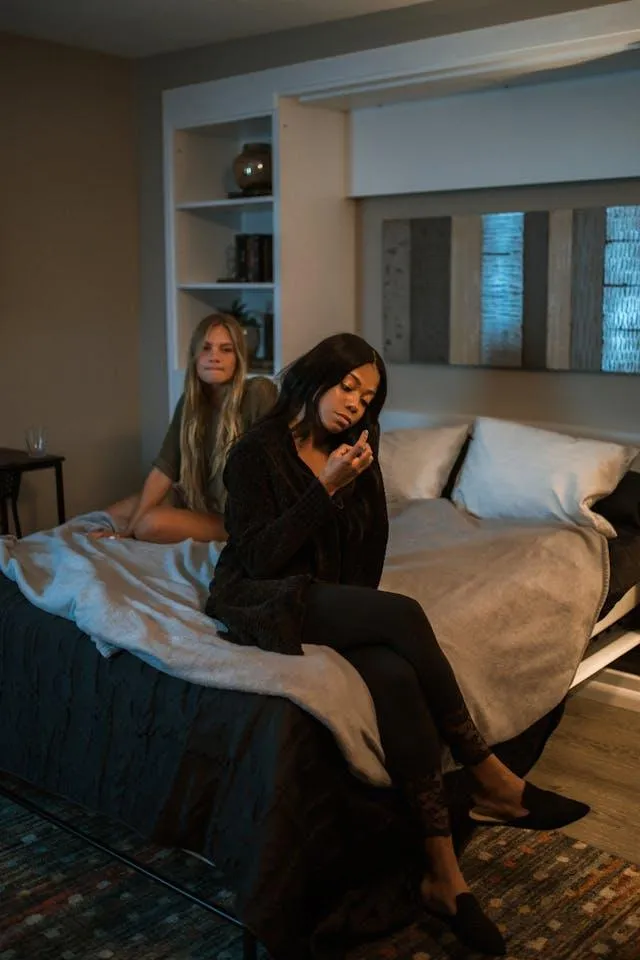
As you navigate the swirl of Valentine’s Day celebrations, engage in a more authentic conversation with yourself one that prioritises your emotional well-being above all.
Image: RDNE Stock project /pexels
But healthy love does not leave you feeling smaller.
A healthy relationship feels safe, steady and respectful even in disagreement. You should not need coping strategies like excessive drinking, emotional withdrawal or self-doubt just to survive it.
Ward-Martin encourages self-advocacy: trust your internal signals. Do not minimise your discomfort to maintain an illusion. Your well-being is no less important than a romantic narrative.
This February, beyond the roses and heart-shaped hashtags, ask yourself a quieter question: How do I actually feel in this relationship?
Valentine’s Day is not just about celebrating love. It is about defining it. And real love, the kind worth keeping, does not require you to silence yourself to sustain it.
If something feels off, that feeling matters.
The greatest act of love this month might not be booking the perfect dinner. It might be choosing yourself.