

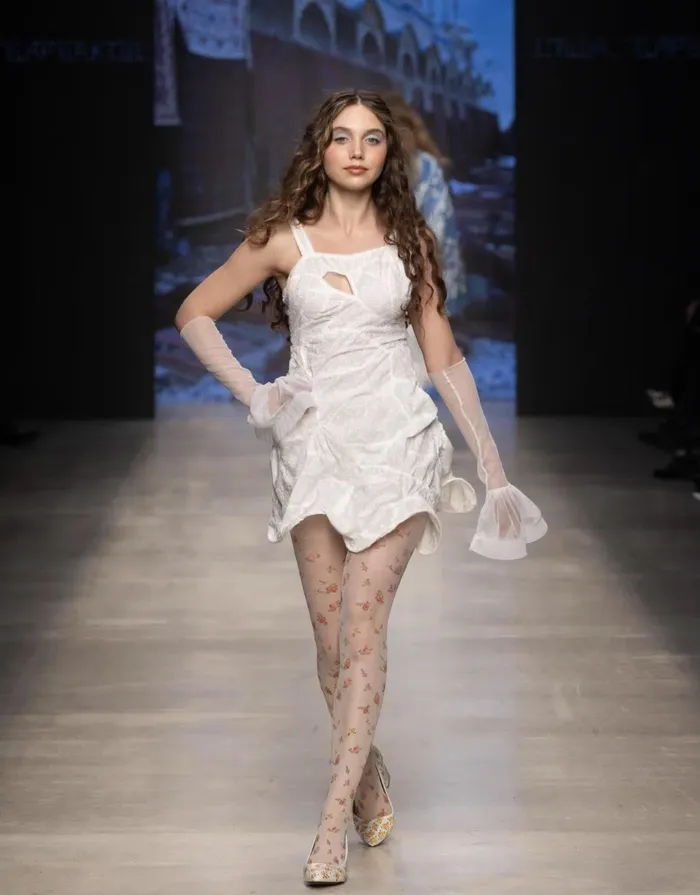
'Second-skin' finishes were one of the MFW 2026 trends which dominated the runway.
Image: Supplied
From split-toe shoes, architectural pumps and futuristic elements, a range of footwear designs came to life during Moscow Fashion Week (MFW) 2026.
Held at the Central Exhibition Hall “Manege” in the heart of the city from March 14 until March 19, the gathering featured over 200 designers from across Russia and internationally.
And while much attention was on the garments, the footwear also the stars of the shows.
Here are some of the top footwear trends from MFW 2026:
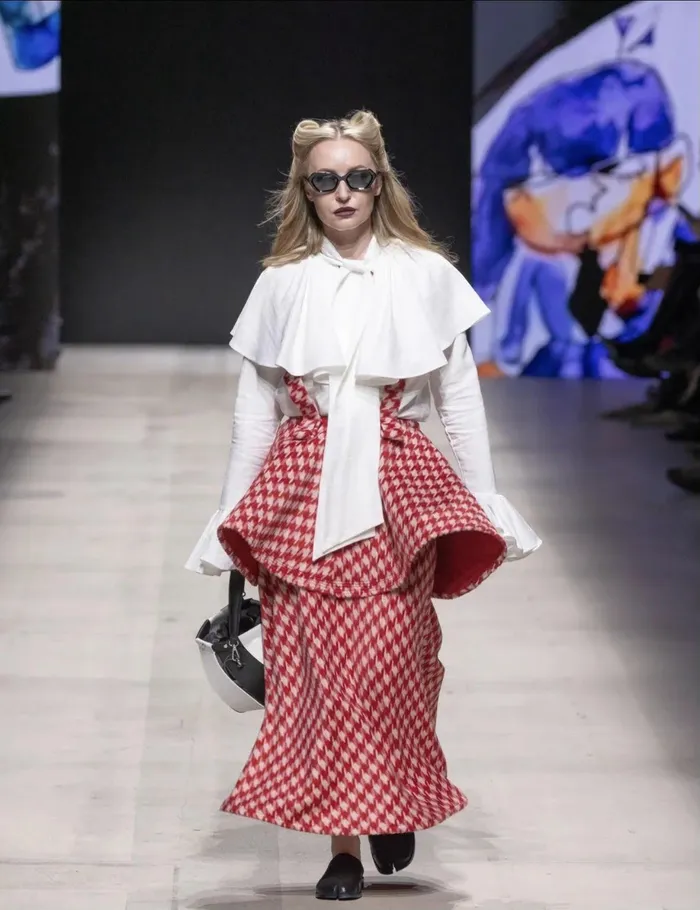
The tabi silhouette was popular during MFW 2026.
Image: Supplied
The tabi silhouette:
This stand-out trend is fast becoming one of the hottest of the year. Characterised by a split between the big toe and the rest of the toes, this type of shoe fits like a glove for the foot. This design originates from traditional Japanese tabi socks and is a somewhat rebellion from familiar, symmetrical forms of footwear. It appeals to those that favour conceptual design while also sitting at the intersection of tradition, symbolism and high-fashion experimentation.
This silhouettes was a favourite for Za-Za, a contemporary Russian fashion label and design brand known for its experimental, runway-focused aesthetic. Their models took to the runway during MFW pairing fitted pinstripe pieces with tabi pumps and boots.
Another stand-out Tabi shoe look from this collection was Za-Za pairing the shoe with a vibrant white shirt with an exaggerated red and white short with layering details.
Other MFW designers who used the tabi silhouette in their collections include Shakirova Brand whose models wore it with socks and pastel dresses while Atelier Argear added it to their menswear collection.
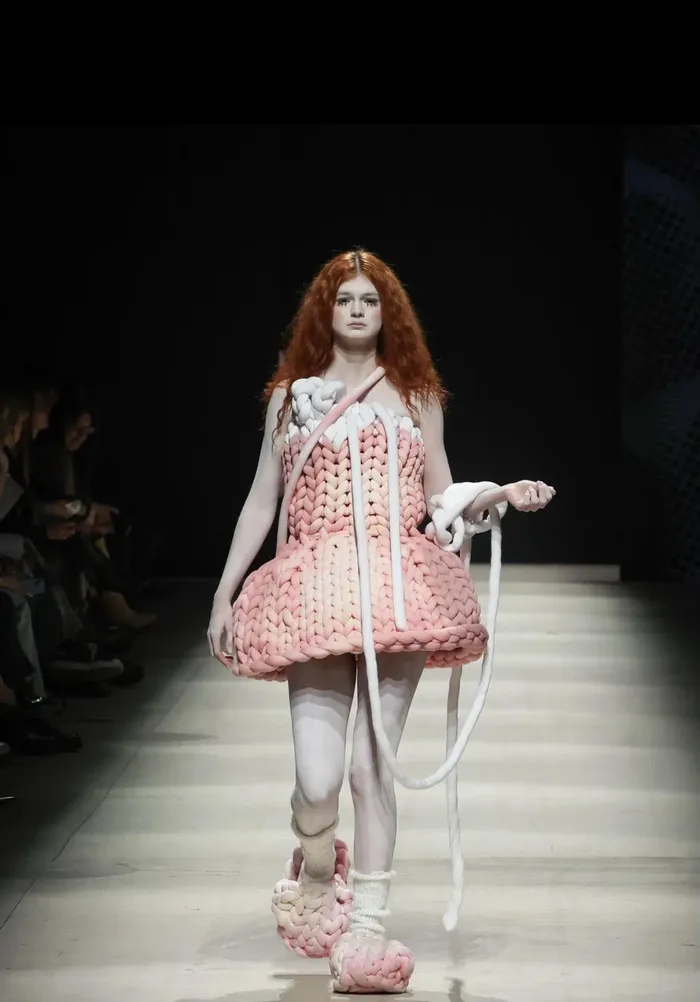
A sculptural shoe design from National Design Institute during MFW 2026
Image: Supplied
Sculptural shoes
Like tabi shoes, this type of footwear is designed with an emphasis on form, structure and artistic expression. But while the former’s trademark is a split between the big toe and the rest of the toes, these types of shoes often feature exaggerated shapes, architectural heels or unconventional proportions that make them feel more like wearable art than functional accessories.
They are popular among designers because they allow for creative experimentation beyond traditional shoemaking constraints, turning footwear into a focal point of storytelling and visual impact on the runway.
The Moscow Art Industrial Institute gave a floral design to matte black flat boots for many pieces from their womenswear collection while XakaMa-Fashion House of Lena Makashova elevated her black heels with colour fringe designs.
Meanwhile Unke used an exaggerated sack pump silhouette for their pastel and nude womenswear collection but it was National Design Institute which stole the show with sculptural shoes. This is as many of their models strutted the catwalk in unique soft pink and white flat white foam shoes, proving the limits of fashion creativity which was alive on the MFW 2026 runway.
Soft futurism footwear:
Soft futurism footwear refers to shoes that blend futuristic design cues. This often includes sleek silhouettes, technical materials and minimal detailing. It is popular among designers because it balances innovation with comfort, offering a vision of the future that feels approachable and human rather than rigid or overly industrial, making it highly adaptable for both runway storytelling and commercial appeal.
During MFW 2026, Big Brooch kept things elegant and seamless, using glossy white pointed heels to highlight their mostly-white range. This was replicated by several other designers who also used the occasion to exaggerate their collections with glossed synthetics and stretch textile. But one of the main ways this trend dominated the MFW runway was through “second-skin” finishes where the shoe as well as the stockings were in the same colour, creating a structured silhouette.
Designers who used this footwear trend included Sasha Barbakov, Addicted Too…and MME.This ties into the broader runway narrative of retro-futurism and digital-age dressing seen at MFW.