

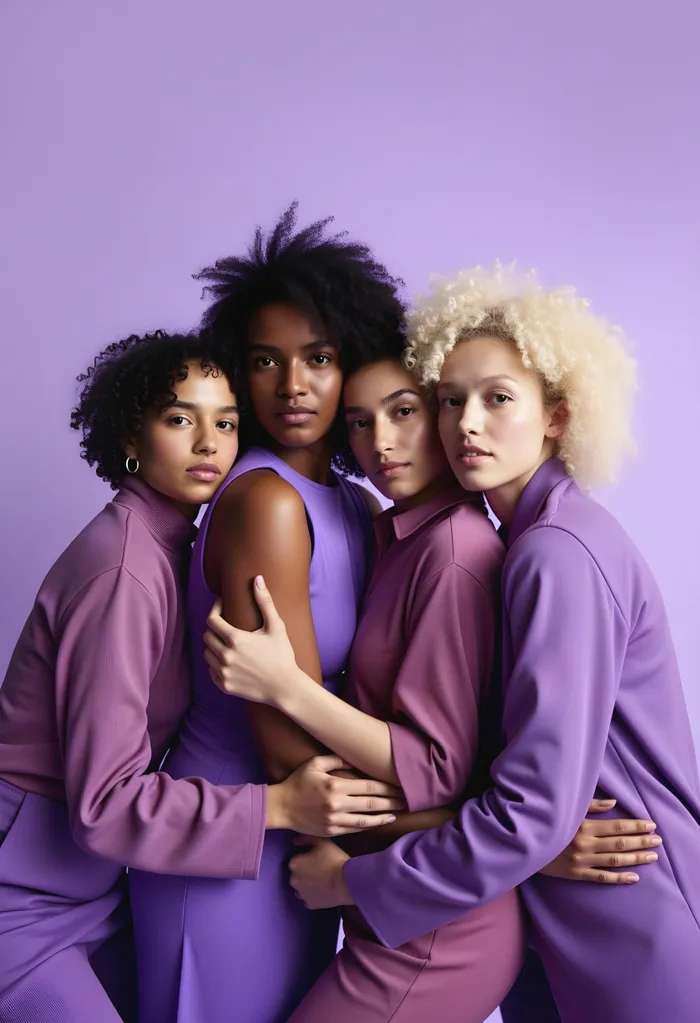
South Africans are being called to wear purple in solidarity with survivors of gender-based violence and femicide.
Image: Picture: Pexels
Mzansi, this Friday, November 21, purple will be the colour of the day. Not because it’s the latest trend, but because it’s a way to stand with women and children affected by gender-based violence and femicide.
South Africans are being asked to wear purple in solidarity, joining a nationwide shutdown organised by Women for Change, a leading organisation advocating for the rights and protection of women.
The campaign highlights the urgent need for GBV to be declared a national disaster, and this is a moment to show the country refuses to stay silent.
South African designer Gert-Johan Coetzee believes purple carries emotional and symbolic weight that goes far beyond aesthetic appeal.
“Purple carries a long history of dignity, courage and transformation, which is why I believe it is the perfect colour to honour survivors,” he shared. According to him, softer tones reflect empathy, while deeper shades communicate resilience.
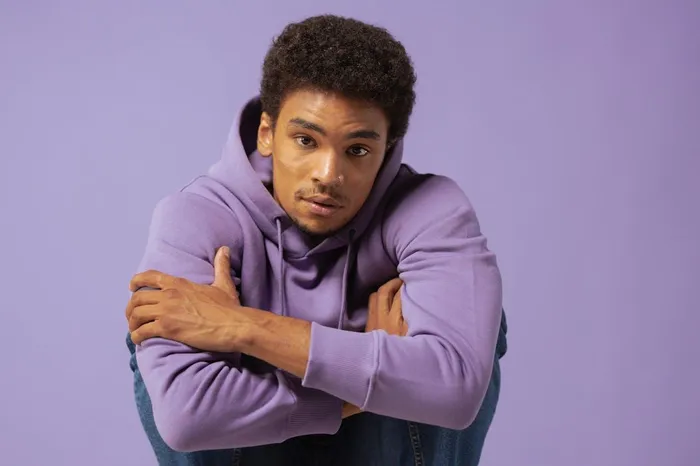
Soft lavender speaks to compassion and gentleness.
Image: Picture' Pexels
“Soft lavender speaks to compassion and gentleness, while deeper violets and royal purples symbolise strength, unity and the unbreakable spirit of those who have survived,” Coetzee explained.
He added that balance in styling is key, noting that “when paired together, a rich deep purple with a touch of lilac creates a peaceful yet powerful harmony.”
For him, the intention remains central. “It allows each person to be seen while still holding space for those whose voices need to be heard,” he said, emphasising that purple should be worn with reverence, not performance.
Beyond clothing, subtle details can speak volumes. “Fashion has the ability to speak softly while still inspiring action,” he stated, highlighting how intentional styling can spark conversation without overshadowing the message.
Coetzee pointed to meaningful accents such as “a silk scarf, a purple ribbon, an elegant brooch or a bracelet in a symbolic shade”, as gentle yet powerful gestures of support.
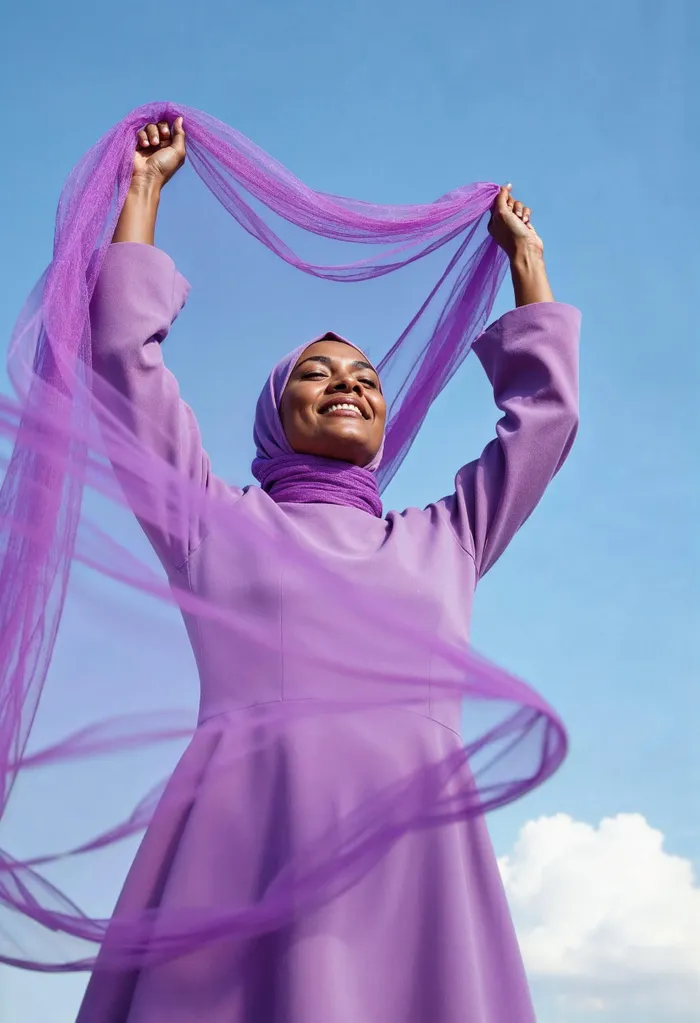
Small additions, such as a scarf or ribbon, should enhance your outfit, not distract.
Image: Picture: Pexels
He stressed that small additions should enhance, not distract. “These details do not compete with the message, they elevate it,” he said, adding that when worn with purpose, “they become symbols of hope, empathy and the belief that change is possible when we each choose to show up.”
Purple’s role in this campaign also lies in its collective visual impact. “Colour is one of fashion’s most powerful tools,” Coetzee noted. “Purple has the ability to unify people in a way that feels uplifting and deeply human.”
Rather than demanding attention loudly, he described its effect as one that “commands attention through quiet strength, not force,” making it ideal for a movement rooted in healing and accountability.
For those without a purple-heavy wardrobe, participation remains accessible. “Showing support can be effortless and still incredibly meaningful,” he said.
Practical options include “a purple ribbon on your outfit, a scarf around your neck, a handbag charm or even a bold purple lip or nail colour.”
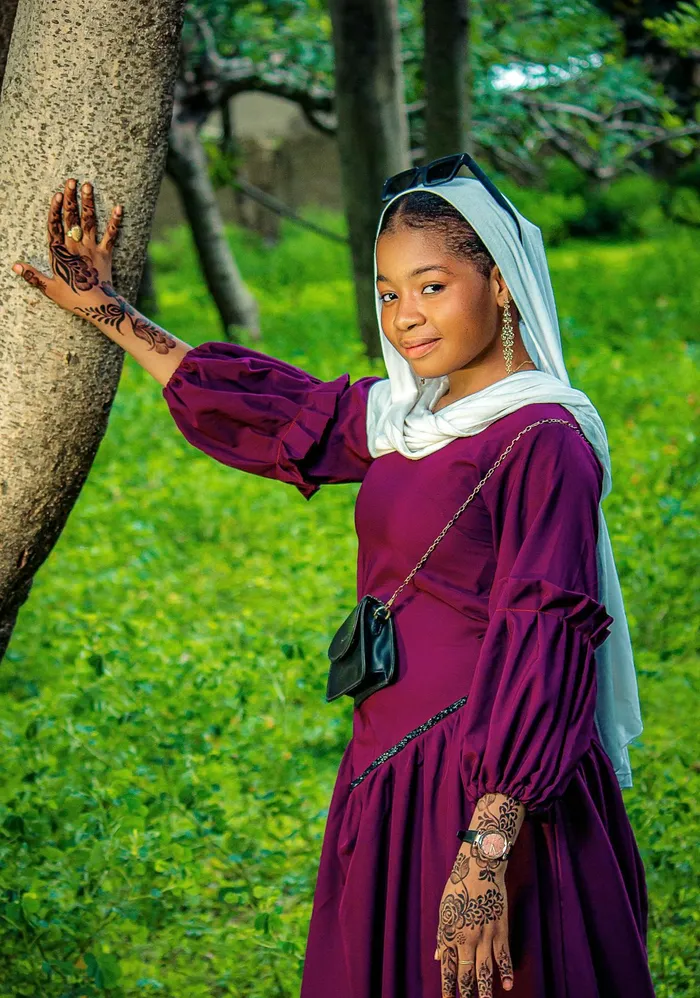
Deeper violets and royal purples symbolise strength, unity and the unbreakable spirit of those who have survived,
Image: Picture: Pexels
Men are encouraged to opt for details like “a purple pocket square, tie or lapel pin”, proving that even minimal effort still carries weight.
Adding momentum to the movement, Springboks captain Siya Kolisi has urged South Africans to swap the usual green for purple in solidarity with women.
More than a coordinated look, this moment reflects a country choosing to be visible in its support. From tailored blazers to delicate ribbons, purple has become a statement of remembrance, resistance and respect.
In a society where silence has cost too much, style now carries substance, and every shade of purple tells a story of standing together.