

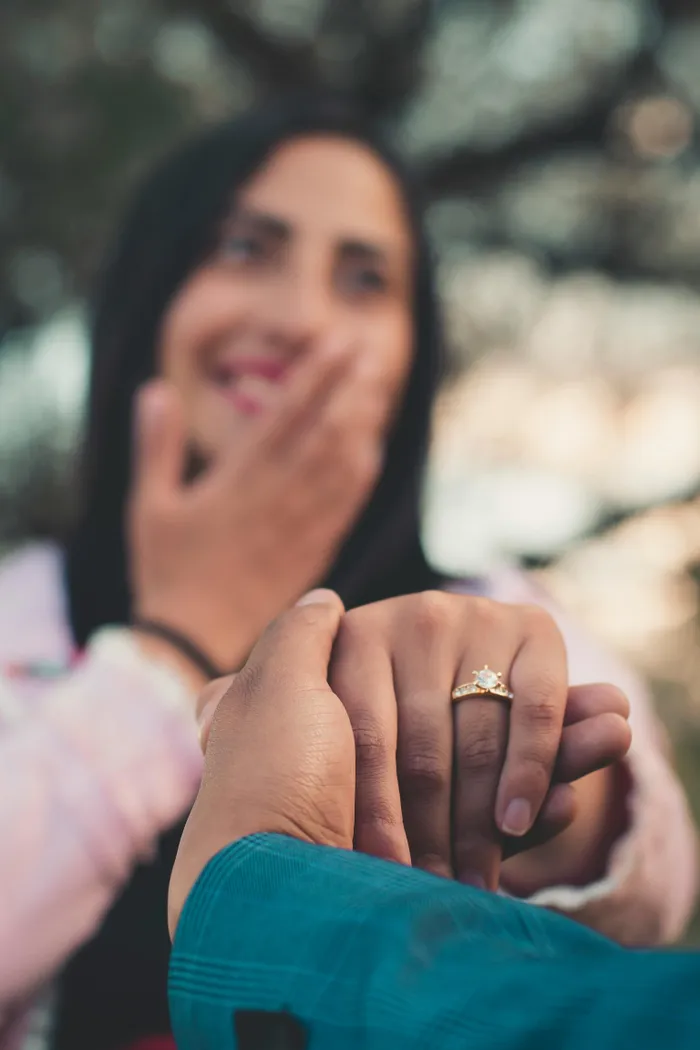
Protecting your precious stone means knowing when to take it off. An expert offers tips to protect your ring.
Image: Pexels.
The moment you slide on your engagement ring, it transcends from being a mere accessory and becomes a part of your identity, as constant and essential as the phone in your hand.
Yet, for a diamond to truly last forever, a little time apart is occasionally required.
"People don't realise how vulnerable their engagement rings can be during everyday activities shares Blake Asaad, founder and creative director of Goodstone, specialists in high-end diamond craftsmanship.
"While these pieces are designed to last a lifetime, they still require thoughtful care to maintain their brilliance and structural integrity," he says.
"Your engagement ring is one of the most significant purchases you'll ever make, both emotionally and financially. Removing it when necessary ensures it lasts for generations.
The good news is that protecting your ring is easy. Here are the five critical times Asaad recommends parting ways with your sparkle.
While keeping your ring on overnight feels romantic, it’s a silent threat to the setting. As you toss and turn, your hands migrate under pillows or snag on high-thread-count sheets.
"The metal in your ring is more delicate than people think. Repeated pressure and friction during sleep can bend prongs, and once they're weakened, your stone becomes vulnerable to falling out," he says.
There’s also the "morning finger" factor. Natural night swelling can turn a comfortable fit into a restrictive, tight band by sunrise.
It isn't the water that's the enemy, it's the products. Shampoos, conditioners and body washes leave behind a stubborn film of oils and waxes that act as a sparkle-killer.
"People often wonder why their ring doesn't shine as it used to. More often than not, it's because they've been showering with it on. The buildup from daily products is gradual but significant."
Your ring and bleach do not mix. Harsh chemicals like ammonia and chlorine can actually discolour precious metals, particularly white gold and platinum.
"I always tell clients that if they wouldn't put it on their skin, they shouldn't expose their ring to it. Cleaning products are formulated to break down dirt and grime. They don't discriminate between your kitchen counter and your precious jewellery."
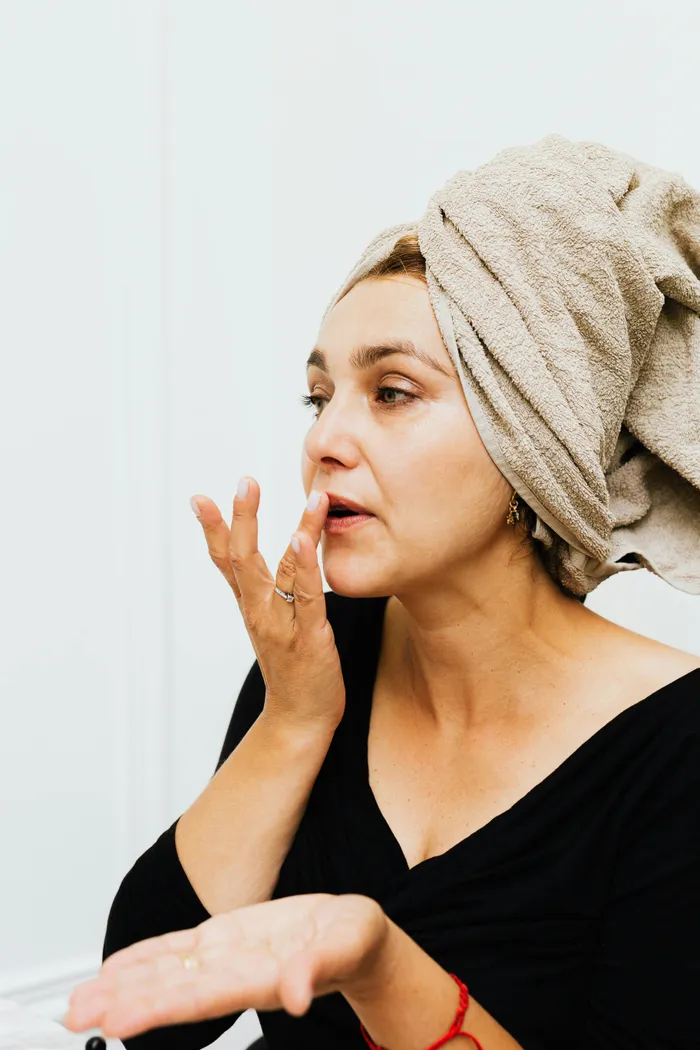
Your daily skincare routine might be giving your complexion a glow, but it's likely doing the opposite for your ring.
Image: Pexels.
Your 10-step skincare routine is great for your face but devastating for your diamond. Sunscreens, heavy creams and facial oils coat the stone, blocking the light path necessary for that signature fire.
"The brilliance of a diamond comes from how light moves through it," Asaad explains. "When you apply products with your ring on, you're coating it in a layer that blocks that light."
Lifting weights is perhaps the fastest way to ruin a band.
The "metal-on-metal" pressure from dumbbells and barbells can warp the circular shape of your ring or even snap the shank.
"I've seen rings completely misshapen from gym sessions. The constant gripping and releasing, combined with the weight, can distort the circular shape of your band, sometimes beyond repair."
Assad says that if you develop the habit of removing it during these five activities, it will dramatically extend the life of your ring and preserve its beauty.
"Keep a small ring dish near your bed, in your bathroom and by your gym bag as reminders. And if your ring does suffer damage or loses its sparkle, don't panic. Professional jewellers can restore most issues, from tightening loose stones to deep cleaning and repolishing.
"Regular check-ups every six months will catch potential problems before they become serious."