8 Essential checks for safe caravan and trailer towing this holiday
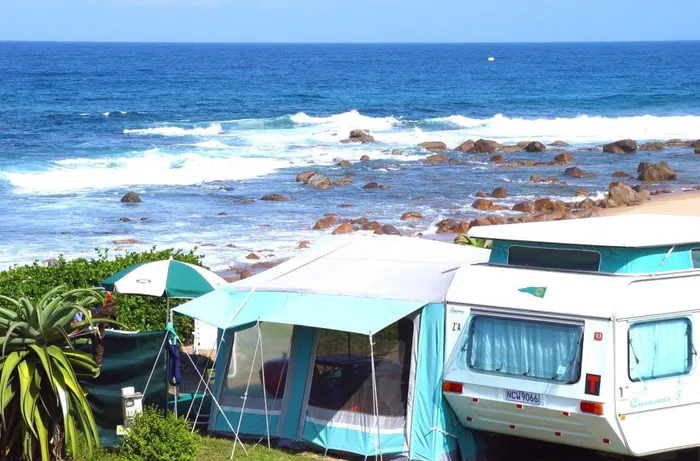
Before arriving safely at your holiday destination a few simple checks could prevent a disaster.
Image: File
Try and get a reservation at South Africa’s most popular caravan parks over December and you’d be hard pressed to find one available.
We’re a nation that loves to hitch something behind our cars and head into the outdoors, and whether it’s a packed campsite next to the ocean, one of our beautiful national parks or a remote park in the Northern Cape, you’ll find some sort of attachment behind a car ranging in price from a few thousand rand to more than a million rand.
Off-road caravans, road caravans, off-road trailers, and small Venter-type boxes bouncing around merrily behind cars are commonplace over the holiday season.
And while we place a lot of emphasis on getting our cars ready before a long trip, caravans and trailers tend to be forgotten until it’s too late.
Before you hitch your trailer or caravan, irrespective of its size or purpose, here are eight vital checks to do before heading out.
Correct licence and load limits
Before anything else, make sure you’re legally allowed to tow. A Code B licence (the standard car licence) allows you to tow a light trailer under 750kg GVM (Gross Vehicle Mass).
If your trailer or caravan exceeds that, you’ll need an EB licence, which permits towing loads over 750kg and up to the manufacturer’s limits of your vehicle. Check your licence card and your vehicle’s towing capacity, listed in the owner’s manual or on the manufacturer’s plate.
Overloading not only risks fines but also compromises control and braking.
Towbar and coupling
The towbar must be properly fitted and rated for the weight you intend to tow. Look for the SABS approval mark and check for rust, cracks, or loose bolts. Make sure the coupling mechanism locks securely onto the tow ball and that the safety latch functions properly.
If your trailer or caravan uses a braked coupling system, test that the handbrake and overrun brakes engage correctly. Take it to a reputable fitment to check if you’re not sure.
Tyres and bearings
Trailer and caravan tyres often spend months parked in one position, leading to cracks, flat spots, or dry rot. Check tyre pressure (including the spare) and tread depth - 1.6mm is the legal minimum, but more is always safer.
Re-grease and check the wheel bearings at least once a year, as dried-out or worn bearings are one of the most common causes of breakdowns when towing.
Even if you’re sure they are in order, rather have them serviced before you leave.
Lights and wiring
Lighting is a critical safety point. Check that your trailer or caravan’s brake lights, indicators, tail lights, and number plate light all work properly when plugged into the vehicle.
A faulty earth wire or damaged plug can cause lights to flicker or fail - something you definitely don’t want on a dark stretch of the N1. Make sure the plug and socket are clean and corrosion-free.
There are plenty of DIY diagrams on the internet and YouTube to guide you through rewiring, or take it to an accredited workshop.
Brakes and suspension
If your trailer or caravan is equipped with its own braking system, test that it operates correctly. Listen for scraping or grinding noises and ensure the handbrake holds when engaged.
Suspension components like leaf springs and shackles should be free of cracks or excessive rust. A bouncy, swaying trailer can turn a relaxed drive into a dangerous situation in seconds.
Balance and load securely
A well-balanced load is key to safe towing. Heavy items should be packed low and as close to the axle as possible, with roughly 60% of the weight in front of the axle. Too much weight at the back causes it to sway, while too much on the nose increases pressure on the towbar.
Double-check that all items are securely fastened inside the trailer or caravan; loose gear can shift and affect handling.
Safety chains and final checksNever tow without safety chains properly crossed and attached between the vehicle and trailer. They act as a final safety net if the coupling fails.
Before setting off, walk around your rig: check doors, latches, and hatches are closed, tyres are inflated, lights are working, and nothing is dragging.
Speed kills
We all want to get to our holiday destination as fast as possible, but for safe towing, it's generally recommended to stay in the 90/100kmh range, which helps maintain better control, reduces stress on the towing setup, and allows more reaction time for braking or sudden incidents.
Always consider your vehicle and rig length before attempting to overtake.
When in doubt, get it checked
If you’re not completely confident in your setup, visit a reputable workshop or fitment centre that specialises in towing gear. They can inspect your towbar, electrics, brakes and bearings to ensure everything meets legal and safety standards.
Towing opens up a world of adventure, but it demands respect for the road and attention to detail. A few careful checks before departure can mean the difference between a smooth, memorable holiday and one spent waiting for roadside assistance or worse.