

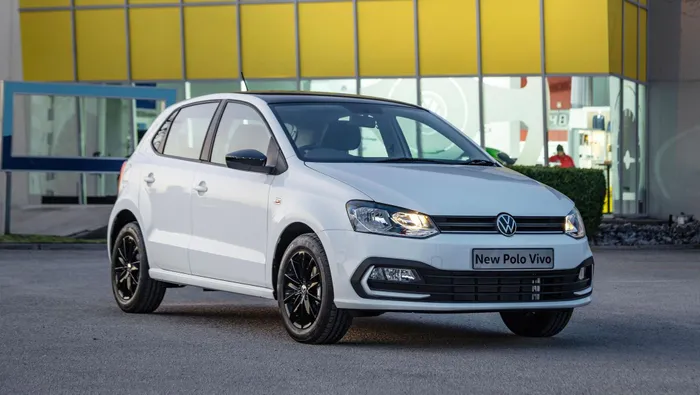
Volkswagen crept back into second place amid a roaring sales month.
Image: Supplied
In the month before crushing fuel price increases hit South Africa, new vehicle sales surged to a near two-decade high.
Naamsa reported this week that the new vehicle market grew by 17.3% versus the same month last year, with 58,060 units sold, making it the strongest March performance since 2007.
Passenger cars surged by 18.2% to 39,370 units in March, while the light commercial vehicle market grew by 15.7% to a total of 15,557. Medium and heavy commercials saw growth of 14.0% and 14.5%, respectively.
According to Naamsa, 88.7% of sales took place through the dealer channels, with the remainder made up of rental sales (5.5%), government sales (3.2%) and corporate fleets (2.6%).
Vehicle sales have boomed during the first quarter of 2026, with February sales reaching a 13-year high.
While the domestic picture was positive, export sales fell by 5.3% to 39,499.
Naamsa said the March 2026 sales performance shows continued resilience in domestic demand, underpinned by improved consumer and business confidence and low inflation rates earlier in the quarter.
However, storm clouds are looming, with recent fuel price hikes and the resulting inflationary pressures set to shape demand in the coming months.
But could there have been a degree of panic buying in March?
“We expected to see some hesitation from buyers, with a degree of caution creeping back into the market as people waited to see where fuel prices would settle,” said Brandon Cohen, Chairperson of the National Automobile Dealers’ Association (NADA).
“Admittedly, consumers were feeling more comfortable with the interest rate remaining unchanged and the news of the government intervening to soften the blow of record fuel price increases for April. We also believe consumers may have been worried that vehicle prices may rise as the Middle East conflict impacts logistics, as well as the supply of raw materials and components to global manufacturers,” he added.
Furthermore, vehicle prices are closely linked to currency fluctuations, and the South African rand has depreciated by around 7.3% since February, potentially paving the way for price inflation in the coming months.
ALSO READ: Here’s how much it will now cost you to drive between South Africa’s major cities
NADA National Executive Committee member Ryan Seele said that while there were a few vehicle stock constraints among the larger manufacturers, this did not seem to inhibit sales in the lower end of the passenger car market, nor in the LCV segment.
Lebogang Gaoaketse, Head of Marketing and Communication at WesBank, said that April will introduce new pressure that households and the industry will need to manage carefully.
“The fuel and energy increases coming through in April present a clear headwind for consumers who were only starting to benefit from earlier rate cuts,” he added.
On the sales charts, Toyota enjoyed its usual dominant lead, with 12,929 sales, while Volkswagen crept back into second spot with 5,519 units finding homes. Suzuki, Isuzu and Hyundai completed the top five.
IOL Motoring