Agri SA wants Eskom to work with farmers to ensure load shedding doesn’t affect food security
|Published
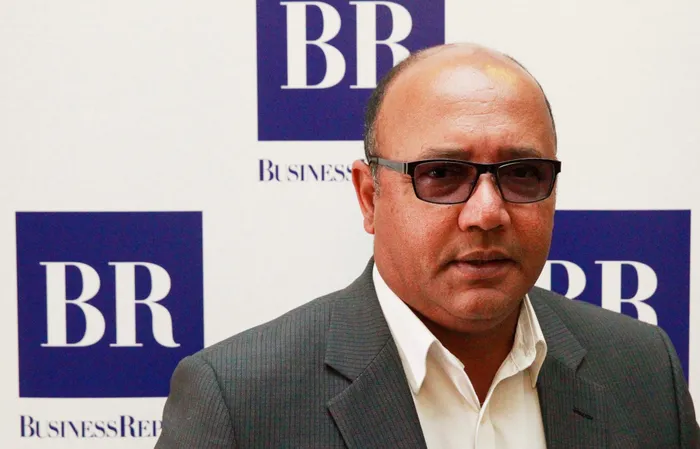
Agri SA said that they have written to Eskom CEO Andre de Ruyter requesting an urgent engagement regarding loadshedding. File Picture: Christo van der Rheede, executive director at Agri SA. Picture: Jacques Naude African News Agency (ANA).
Durban - Agri SA said it had written to Eskom CEO Andre de Ruyter requesting an urgent engagement regarding load shedding.
Agri SA said with the summer crop planting season approaching, the current energy crisis may have implications for food security unless measures are put in place to mitigate the impact of load shedding.
Christo van der Rheede, executive director at Agri SA said electricity was a key agricultural input.
“According to the Department of Agriculture, Land Reform and Rural Development (DALRRD) statistics, the agricultural sector spent approximately R9 billion on electricity in 2021. This is more than 7% of the sector’s expenditure on intermediate goods and services. A reliable power supply is especially critical for the sector’s irrigation and water treatment.”
Van der Rheede added that the consequences of load shedding for the various agricultural commodities are far-reaching, with potentially devastating outcomes.
“Moreover, the impact of load shedding extends beyond the blackout. It usually takes up to an hour to resume irrigation systems when load shedding ends, costing farmers time and incurring additional labour costs. Blackouts also disrupt cooling and packing with ramifications for food quality, and they pose a health hazard for humans and animals alike as they disrupt access to clean water for consumption and stop wastewater treatment.”
Van der Rheede said for export commodities, the consequences included a disruption to cold chain protocols mandated by foreign markets and late shipments.
“These outcomes will diminish South Africa’s standing as a reliable source market. Ultimately, the greatest threat of load shedding is to the country’s food security. As crops fail for lack of irrigation or farmers plant less for fear of losses, the country will only experience the consequences of load shedding in the future as the produce anticipated from this summer’s crop fails to materialise. The result will be food shortages and high prices.”
Van der Rheede added that Agri SA was aware of the recent announcement that Eskom would approach the market to procure 1000MW, but farmers need to know what the plan is beyond this initial attempt to stabilise the grid in order to plan for the season ahead.
“Given the magnitude of what’s at stake, Agri SA has approached Eskom for engagement in order to understand the current challenges and gain some insight into the outlook for the year so the sector can make plans to mitigate the risks, protecting both food consumers and producers. We trust that the power utility and government will work with us to avert a food certainty crisis in addition to the ongoing power crisis.”