

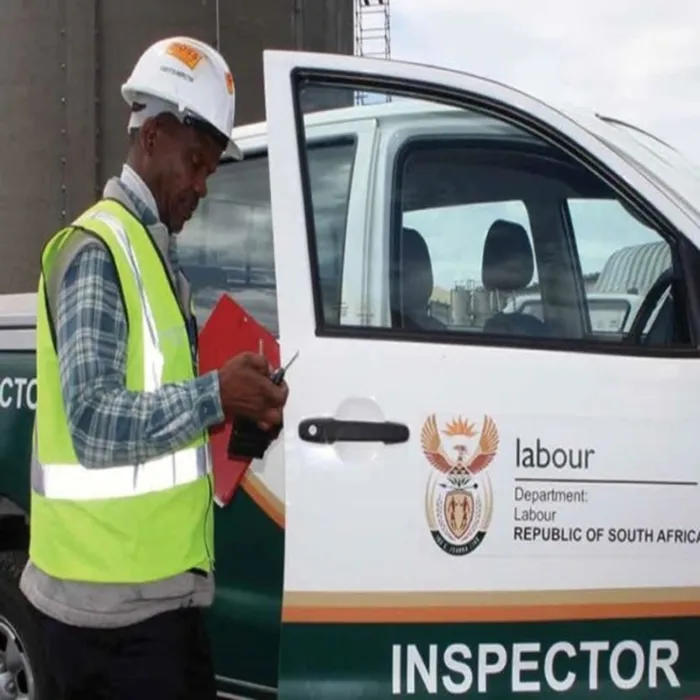
The Department of Trade, Industry and Competition (dtic) has called for more collaboration among enforcement authorities following alarming findings of hazardous conditions in Newcastle clothing factories.
Image: File
The Department of Trade, Industry and Competition (the dtic) has called for closer collaboration between enforcement authorities, mandated to monitor labour law compliance and workplace health and safety, after worrying conditions were uncovered during a recent inspection at Newcastle, KwaZulu-Natal clothing factories.
The factories were found to be subjecting their workers to hazardous working and living conditions, where they were living in cramped conditions and were earning far below the minimum wage. Some employers were also arrested during the joint inter-departmental inspection blitz for abusing immigration laws by hiring 34 illegal foreigners who were working in South Africa without valid documents.
Clothing from the factories was found to be destined for major retailers in the country.
Responding to the issue, the dtic said investigations by the relevant enforcement authorities are ongoing, and it is appropriate that these processes be allowed to proceed without interference.
However the department said the matter raises broader systemic questions about supply-chain accountability, responsible sourcing, and the integrity of South Africa’s clothing and textile value chain.
“It has also served as a reminder that economic growth driven through sustainable industrial development requires lawful conduct and shared responsibility across the entire production and procurement ecosystem. South Africa cannot grow its manufacturing base on the back of unsafe and illegal operations. Factories that evade labour standards distort competition, undermine compliant businesses, and expose vulnerable workers to unacceptable conditions.”
The department said there was a need for improved inter-departmental coordination and data visibility across the sector.
“The department supports closer collaboration with enforcement agencies to ensure that industrial areas do not become havens for informal or illegal manufacturing activity. This incident underscores that enforcement alone cannot resolve systemic risks in fragmented supply chains. Demand-side actors, particularly large retailers and brand owners, carry a corresponding responsibility to exercise meaningful due diligence in their procurement and supplier management practices.”
The dtic added that Deputy Minister of Trade, Industry and Competition, Alexandra Abrahams will engage with the Retail Clothing, Textile, Footwear, and Leather Masterplan Executive Oversight Committee to discuss the implications of the Newcastle matter.
“Strengthening voluntary and policy-linked disclosure mechanisms is just one of the essential mechanisms to improving visibility across supply chains and preventing illicit or exploitative production from entering formal retail channels,” the department said.
For more stories from The Mercury, click the link THE MERCURY