

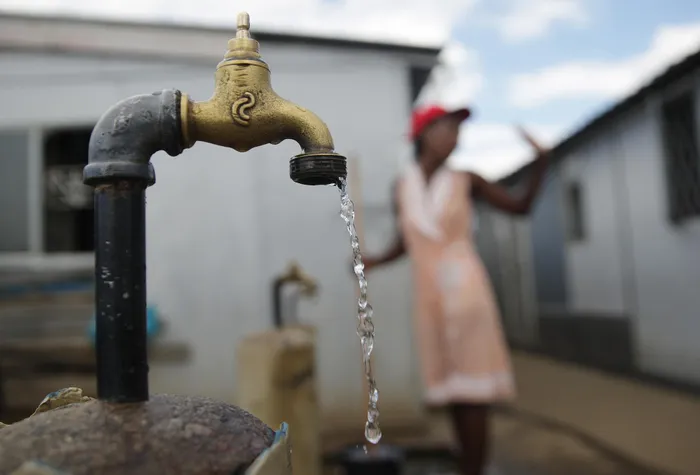
eThekwini residents see a glimmer of hope as water supply returns, but ongoing rationing continues as the system recovery is underway.
Image: Independent Newspapers Archives
Relief is on the horizon for thousands of eThekwini residents as water flow begins to resume across parts of the municipality following a major disruption to the city's bulk supply.
The eThekwini Municipality confirmed on Monday that significant progress has been made in stabilising storage reservoirs supplied by the Durban Heights Water Treatment Works. The facility, operated by bulk water supplier uMngeni-uThukela Water, had been operating at severely reduced capacity following a technical failure.
While a faulty valve at Nagle Dam had been fixed, the City warned that the system is not yet at full strength.
"The current phase of restoration focuses on stabilising and replenishing reservoirs and pipelines across the network," the Municipality said in a statement.
"While treatment capacity is being restored and reservoir levels are improving, the system has not yet fully recovered."
To prevent the system from crashing under sudden demand, the City said it will continue to implement its water rationing plan. This means that while some residents may see water returning, others should expect low pressure or intermittent supply as the network reaches equilibrium.
The disruption has impacted a massive footprint across the metro. According to the City, the following hubs are currently in the recovery phase:
The municipality has apologised for the prolonged inconvenience and noted that water tankers will remain deployed to the most critically affected communities until the network is fully pressurised.
Residents are urged to use water sparingly during this stabilisation period to allow reservoir levels to rise more quickly.
For more stories from The Mercury, click the link THE MERCURY