

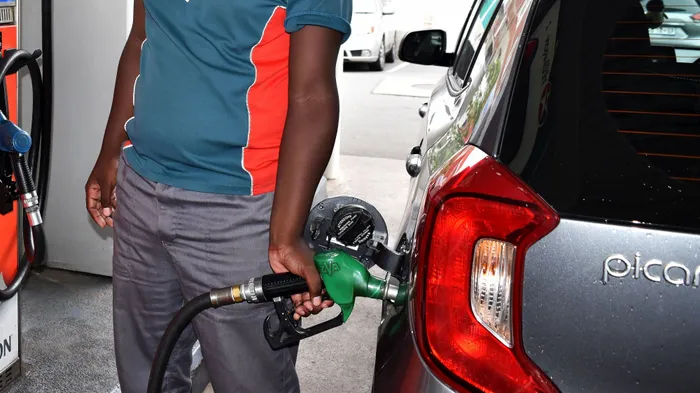
South Africa's fuel supply is stable for now, but ongoing global tensions could lead to significant petrol price hikes in the near future.
Image: Tumi Pakkies / Independent Newspapers
While the Mineral Resources and Petroleum Resources department has again said the country's fuel supply remains stable for now, analysts are warning that the longer the Middle East conflict continues, the more volatile the situation will become.
The department said fuel shipments secured ahead of the conflict are being delivered.
"Government is actively coordinating with industry stakeholders to secure both crude oil and refined petroleum products from a diversified range of sources, and a comprehensive plan is in place to manage potential supply risks.
"Fuel consignments scheduled for March and early April 2026 were secured prior to the recent escalation in global tensions. These deliveries have commenced and are expected to adequately sustain national supply over the coming weeks".
However the reassurance from government has not stopped motorists from filling up. It has been reported that some fuel stations in the Western Cape, Gauteng, the Free State, the North West and the Northern Cape have run out of 50ppm diesel.
The ongoing US-Israeli war against Iran has pushed international crude oil prices above $100 per barrel, creating uncertainty in global energy markets. This will have a significant knock-on effect on fuel prices in April.
Visiting Adjunct Professor, Rod Crompton, from the African Energy Leadership Centre at Wits Business School, warns in a recent IOL article, that if the conflict is prolonged, the government may be compelled to reintroduce drastic conservation measures.
He said these could include closing service stations after 6pm and on weekends, and dropping the national speed limit, echoing the steps taken during the 1973 crisis when the speed limit was reduced to 80km/h.
The possibility of fuel rationing and lengthy queues at pumps, Crompton stressed, hinges on the duration of the Iranian conflict.
A key factor, he noted, is whether the US can maintain secure oil and gas shipping lanes through the Straits of Hormuz.
Energy and power expert Professor Vally Padayachee said the assurances provided by the department about current fuel availability must be balanced with the understanding that heightened demand and ongoing geopolitical tensions could impact supply.
Meanwhile, the department of Mineral and Petroleum Resources has said sustained increases in international oil prices, coupled with exchange rate fluctuations, are expected to translate into higher domestic fuel prices in the months ahead.
For more stories from The Mercury, click the link THE MERCURY