

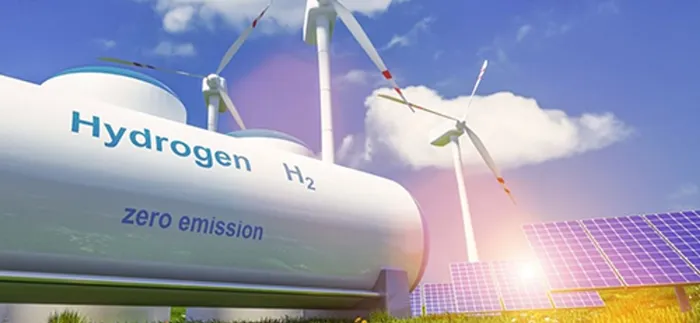
eThekwini Municipality has launched an ambitious roadmap for green energy projects aimed at reducing carbon emissions and enhancing climate resilience.
Image: Supplied
eThekwini Municipality has unveiled a strategic roadmap of multi-billion-rand energy infrastructure projects designed to transition the city to a low-carbon economy. This initiative aims to shield it from the worsening effects of climate change.
The roadmap, presented by Sbu Ntshalintshali during the KwaZulu-Natal Climate Change and Sustainable Development Council meeting last week, positions Durban as South Africa’s “benchmark” for municipal energy transition. The city is leveraging a landmark Section 34 license granted in August 2025, which allows it to generate its own power independent of the national grid.
The presentation detailed a significant emissions profile, with the city recording 28.2 million tonnes of CO₂ equivalent in 2023. The transport sector (43%) and industry (32%) were identified as the primary contributors to these levels.
To counter this, the municipality highlighted a pipeline of strategic "mega-projects" including:
The session was chaired by KZN Premier Thamsanqa Ntuli at the Archie Gumede Conference Centre. He used the platform to assess the province’s overall resilience.
“Well, it was about the climate change resilience by the province, focusing on the role of municipalities and the assessment of the progress in terms of awareness and in terms of recommendations of the plans that are there to mitigate factors of climate change,” Ntuli said.
The Premier’s remarks come as the province still reels from recent flooding in eThekwini. While no lives were lost in the latest bout of weather, Ntuli warned that the state of infrastructure remains a critical concern.
“As you know that recently here in eThekwini, we had floods, though luck was on our side because no fatality was reported, but the damage to the infrastructure requires that we urgently move as a province, in particular at a local government level, in terms of plans and funding,” he said.
Funding remains a primary hurdle for these interventions. Ntuli was emphatic that without financial backing, the province's climate strategies would stall.
“We can’t have a successful implementation if we lack funding,” he warned, describing the council as a “very strategic platform” to evaluate whether the government is meeting its obligations to mitigate climate effects.
Beyond infrastructure, the Premier raised alarms regarding the approaching winter and the perennial threat of wildfires in the KZN interior. He stressed that technological projects must be supported by better communication with the public.
“How do we ensure that even for those who are deprived of access to information, do get weather alerts, and also understand the importance of responding to the alerts?” Ntuli said. “Because some… will be given alerts, they will not respond until they find themselves in a problem.”
The Council, which includes MECs, traditional leaders, and academics, is now tasked with integrating these energy and infrastructure plans into a broader provincial strategy that addresses health, education, and disaster management.
In his closing remarks, Ntuli urged for “integrated solutions which inspire new hope and leave no one behind,” stressing that the most vulnerable residents continue to bear the heaviest burden of the climate crisis.