

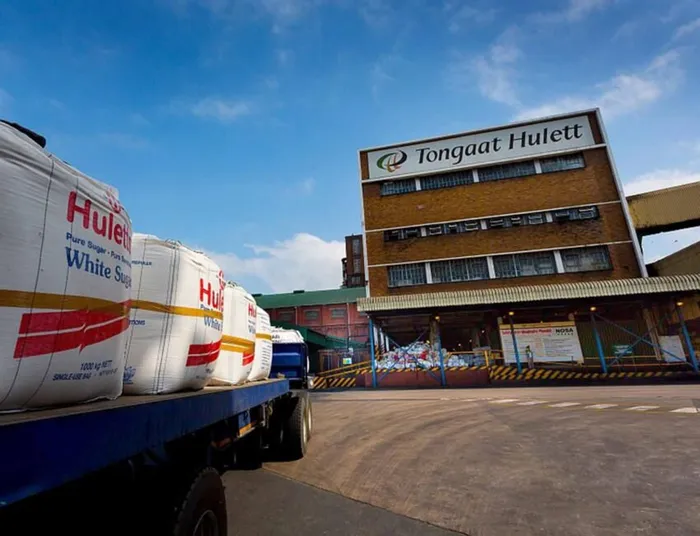
As Tongaat Hulett faces potential liquidation, the farming community and key stakeholders want to advocate for a sustainable solution that aims to protect thousands of jobs and preserve livelihoods in South Africa's crucial sugar industry.
Image: Supplied
The sugar farming industry has called for a lasting solution to fix the problems faced by the embattled sugar giant Tongaat Hulett Limited (THL) that will stave off massive job losses and the decimation of livelihoods.
The liquidation application for THL came before the Durban High Court yesterday. Among those opposing the liquidation are SA Canegrowers, representing almost 30,000 sugarcane growers, the Industrial Development Corporation (IDC), which provided over R2.3 billion in funding during the business rescue process, and the Minister of Trade, Industry and Competition, Parks Tau.
The Joint Business Rescue Practitioners (BRPs) of THL filed the liquidation application in February as they believed that the Business Rescue Plan was no longer capable of implementation due to financing arrangements between the Vision Group, a key player in the matter and the IDC.
In a statement the BRPs said yesterday's court hearing was postponed to June 17 and 18. This comes after the conclusion of agreements relating to the Post-Commencement Funding (“PCF”) facility between the Industrial Development Corporation (IDC), Tongaat and the BRPs, the facility has this morning been extended to 30 June 2026 and increased from R2.3 billion to R2.5 billion.
They said this provides the necessary liquidity to support the company’s ongoing operations pending the finalisation of the transaction to be implemented.
“While the PCF developments address the company’s immediate short term liquidity requirements, the BRPs have previously indicated that a further requirement for any withdrawal of the liquidation application would be the existence of a concrete and implementable transaction capable of achieving the objectives of business rescue. The postponement will allow parties additional time to progress engagements in this regard,” it said.
The Vision Group welcomed the IDC’s extension of the PCF until June 30 in a statement issued yesterday.
“Vision has consistently maintained that THL can be rescued, that its operations remain viable, and that the consequences of liquidation, for thousands of employees, for more than 15,000 small-scale cane growers, and for the rural communities of KwaZulu-Natal that depend on THL’s continued operation would be devastating and have lasting consequences.
“Today’s adjournment creates the space needed to pursue a credible, structured rescue. Vision has access to funding to complete its business plan, stabilise THL operations and restore the business onto a growth path.”
Other stakeholders in the industry said they welcomed the adjournment of the application given the severe impact that the liquidation of THL would have on the industry as a whole.
The South African Farmers Development Association (SAFDA) executive chairperson Siyabonga Madlala said, “We welcome the adjournment of the matter of Tongaat Hulett; this gives the window of opportunity to the IDC and the business rescue practitioners and all involved to come up with a solution, which is the intended outcome. I think even the judge recognises that Tongaat Hulett is the lifeblood of KwaZulu-Natal. We welcome this with confidence that at least by the time the sitting comes back, there would have been a longer-term solution to the ordeal. This is much better protection than the granting of the liquidation order.”
The SA Canegrowers Association in KwaZulu-Natal spoke of the impact that is already being felt. It said this year’s milling season has already opened for sugarcane growers in other regions, but growers who are served by Tongaat Hulett mills are still awaiting news on when the mills will reopen.
“The liquidation of Tongaat Hulett affects the entire sugar industry and is a direct threat to tens of thousands of rural jobs and livelihoods. For SA Canegrowers, safeguarding these communities must come first. The cost of preserving these operations is far lower than the long-term economic and social damage of allowing a viable milling business to collapse,” said Higgins Mdluli, chairperson of SA Canegrowers.
For more stories from The Mercury, click the link THE MERCURY