

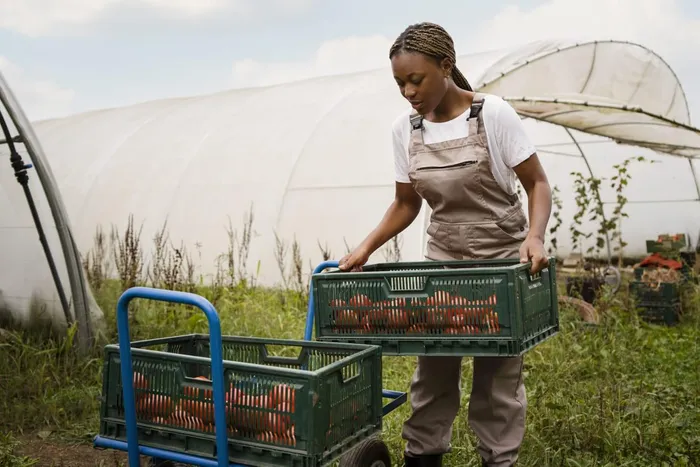
Dube TradePort is set to launch Dube AgriZone 2, an initiative aimed at empowering small-scale farmers and enhancing agricultural production in South Africa
Image: Supplied
The Dube TradePort has revealed plans to unlock opportunities for pioneering agri-entrepreneurs.
In a statement, it said the Dube TradePort Special Economic Zone is preparing to open Dube AgriZone 2, an 18-hectare, fully serviced, agriculture-focused development designed to unlock opportunities for pioneering agri-entrepreneurs, small growers, emerging farmers, and horticulturists.
It said the expansion strengthens Dube AgriZone’s position as a critical centre for perishable produce production, post-harvest handling, and distribution. These services are now offered at a more accessible scale, allowing smaller producers to participate meaningfully in a global agricultural value chain.
“Last year, produce worth R50.3 million was grown and/or handled within Dube AgriZone. With Dube AgriZone 2, we aim to significantly expand this output while helping small-scale farmers tap into South Africa’s fresh-produce market valued at over R53 billion annually,” said Nomaxabiso Majokweni, Dube TradePort’s Senior Manager for Investment Promotion and Facilitation.
“Dube TradePort is addressing the real barriers that limit small-scale farmers by providing infrastructure and support services that unlock access to high-value perishables markets.”
Dube Tradeport's statement said that across KwaZulu-Natal, thousands of small-scale farmers remain constrained by challenges such as unreliable water supply, poor rural roads, limited cold storage, and restricted access to high-value domestic and export markets.
Dube AgriZone 2, strategically located within the King Shaka International Airport precinct, aims to directly tackles these constraints by offering access to critical agricultural and logistics infrastructure, including modern internal road networks, warehousing and logistics support, pack-houses, cold-storage facilities, and a reliable water and electricity supply, among others.
“Through this new development, we are giving smaller producers a real stake in a global-scale value chain. Investment interest is strong; we have already received multiple proposals, with two agribusiness ventures currently in due diligence. This early momentum demonstrates clear confidence in this new phase,” said Majokweni.
For more stories from The Mercury, click the link THE MERCURY