

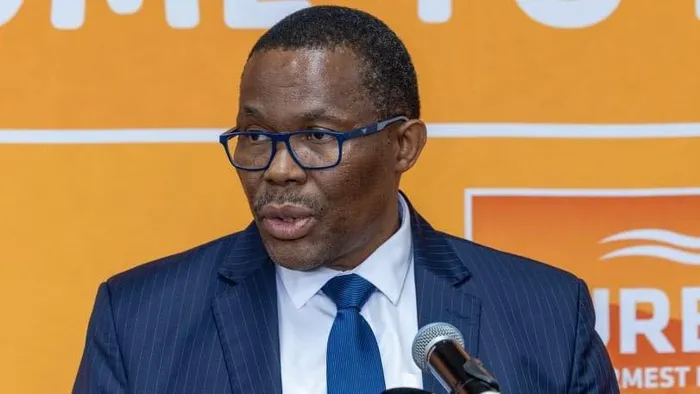
eThekwini mayor Cyril Xaba
Image: Supplied by Durban Tourism
A ratepayers group has praised eThekwini Municipality mayor Cyril Xaba for successfully reducing some of the proposed tariffs. They called on other city officials to emulate the Mayor when addressing ratepayer concerns.
Last week, the eThekwini Municipality officially adopted the municipality’s 2026/2027 Medium Term Revenue and Expenditure Framework (MTREF), with a total budget of R75.3 billion aimed at accelerating service delivery, infrastructure renewal, and implementing turnaround strategies for the City’s trading services.
The City noted that several public inputs were incorporated into the final budget to provide relief to residents amid ongoing economic pressures. It had revised some of the tariffs amid complaints, including those for water and electricity.
Ish Prahlad, chairperson of the eThekwini Ratepayers and Residents Association, said, “The announcement of the new tariff rates was commendable, but I am not very happy with the water rate. Mayor Xaba was exceptional in helping to bring down the rates, and if he could, he would bring down the rates even more. I think if the other heads of departments thought like our honourable Mayor, he would have succeeded even more. Remember, importantly, if you have good heads of departments and a good management team, you can succeed even more,” he said.
Opposition parties expressed concerns about the tariffs. DA leader Thabani Mthethwa stated that the DA rejects the newly passed municipal budget, which fails to respond meaningfully to the financial and service delivery crisis facing the City.
He said the municipality’s finances are in crisis, while communities across the city continue to suffer the consequences of collapsing infrastructure.
Councillor Sunitha Maharaj from the Minority Front stated, “With inflation at 4%, even the downward revised tariffs will not make our debtors' book sit pretty. The MF accordingly rejects the tariffs and demands that the City lose the culture of burdening ratepayers and businesses with tariff increases as mitigating factors for the city's financial losses, when thousands of people are not paying for rates and municipal services. The MF is not convinced the budget will deliver on key service delivery priorities because our city has a track record of returning grants due to poor planning.”
The City said that following engagements with stakeholders and the National Government, the Council approved revised tariff increases for the 2026/2027 financial year, including reductions to proposed increases for water, sanitation, electricity, refuse removal, and property rates. The revised tariff adjustments include:
Mayor Xaba said the revised tariffs are intended to provide much-needed relief to residents and businesses. “As a caring City, we certainly hope that this brings some relief to our ratepayers and consumers,” he said.
The Council also approved amendments to the City’s Indigent Support Policy to ensure more targeted assistance for vulnerable households. The adopted budget includes an operating budget of approximately R69 billion and a capital budget of R6.3 billion.
Addressing the Council during the adoption of the budget, Xaba said the budget represents a practical and sustainable financial plan for the City. “The 2026/27 budget is not an aspirational document. It is a funded, credible, and sustainable plan assessed as such by National Treasury. The adopted budget places significant emphasis on upgrading ageing infrastructure, improving the reliability of water, sanitation, and energy services, and driving spatial transformation initiatives across the City. The main focus of the budget is to ensure efficient and effective service delivery to our residents in order to uplift their quality of life,” he said.
For more stories from The Mercury, click the link THE MERCURY