

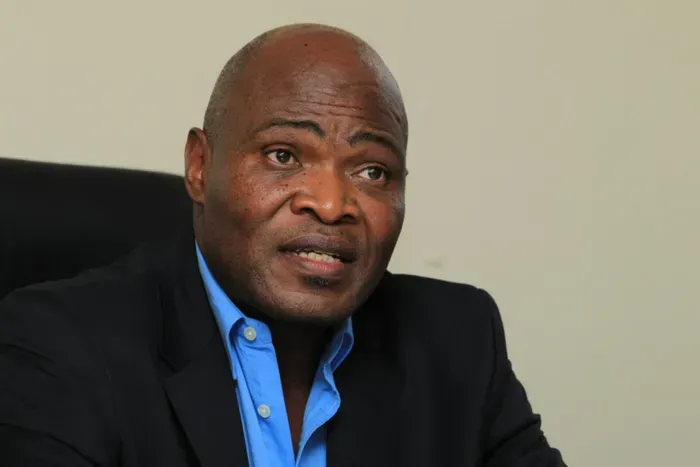
Former chairperson of KwaZulu-Natal Ingonyama Trust Board, Sipho Ngwenya, challenges a High Court ruling ordering him to pay back R30 million to the Ingonyama Trust.
Image: File
The former chairperson of the KwaZulu-Natal Ingonyama Trust Board (ITB), Sipho Ngwenya, says the Pietermaritzburg High Court overstepped its authority when it issued an order that he pay back the R30 million of the Ingonyama Trust within 30 days.
Former Judge Ngwenya, during his tenure as chairperson, ordered the transfer of R30 million to the trust account of his lawyer, Jafta Incorporated. To date, neither Ngwenya nor his lawyer has accounted to the court for the whereabouts of these funds. Philani Jafta, the managing director of Jafta Incorporated, has cited client privilege.
The High Court previously determined that Ngwenya lacked the necessary authorisation from the ITB to transfer the money, which originated from a property sale between the eThekwini Municipality and the Ingonyama Trust.
Consequently, a warrant of execution was issued against the former judge in November 2025, and the process of attaching his assets commenced.
“All respondent right, title, interest, claim, and demand in and to all monies held now or in the future in all accounts held by First National Bank in the name of Sipho Jerome Ngwenya to the amount of R30,510,265.66 and all costs. All monies to be paid to the acting sheriff,” read the court papers.
Through his lawyer, Advocate Colin Pammenter SC, Ngwenya told the court on Tuesday that courts should only grant relief specifically requested by the parties, not grant extra relief on their own initiative.
Ngwenya further argued that the court should have initiated contempt proceedings to address his failure to adhere to its orders, allowing him to explain his non-compliance and raise a defence.
He also claimed the court misdirected itself by ruling in favour of the ITB to strike out his defence for failing to file affidavits in the main application concerning the money.
However, advocate Credo Mlaba, representing the ITB, said Ngwenya’s leave to appeal is merit-starved and stillborn, highlighting Ngwenya’s history of failing to file affidavits and defying court orders.
“It is clear that Ngwenya seeks to delay execution of a judgment long overdue,” Mlaba said.
Mlaba asserted that Ngwenya has failed to demonstrate any reasonable prospects of success on appeal or any claimed misdirections by the court.
He concluded that the issues raised are neither arguable nor capable of producing a different outcome, and no question of law of general importance is presented, meaning the leave to appeal should be denied.
After hearing the arguments, Acting Judge Ranjiv Nirghin reserved judgment.
nomonde.zondi@inl.co.za