

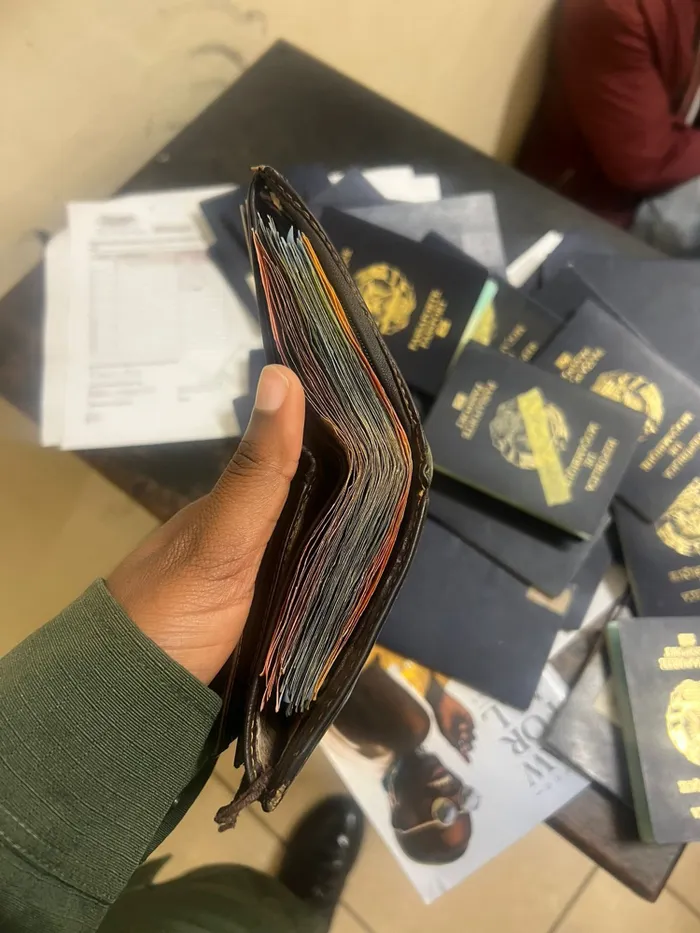
The Special Investigating Unit says its investigation into Home Affairs uncovered systemic corruption, including R181 million in financial gains linked to fraudulent visa applications.
Image: File/ BMA
The Special Investigating Unit says its investigation into the Department of Home Affairs has uncovered systemic corruption in which visas and residence permits were effectively commodified, generating financial gains exceeding R181 million.
“The Special Investigating Unit (SIU) has uncovered a disturbing reality: South Africa’s immigration system has been treated as a marketplace, where permits and visas were sold to the highest bidder,” acting SIU head Leonard Lekgetho said during a press conference on Monday.
“The investigation reveals that the country’s borders were not protected by law but auctioned off through corruption. South Africa was being sold one permit at a time.”
The investigation was authorised by President Cyril Ramaphosa under Proclamation 154 of 2024. An interim report outlining the outcomes has been submitted to the President and made public.
According to the SIU, the corruption was not incidental but organised and deliberate. Officials entrusted with safeguarding the integrity of the department allegedly turned their positions into “profit-making schemes,” working with external actors and syndicates to manipulate systemic weaknesses.
“The SIU has also traced financial gains exceeding R181 million associated with beneficiaries of fraudulent Visa applications, which were underpinned by fake documentation,” Lekgetho said.
The investigation was triggered by a whistleblower who alleged that foreign nationals were entering South Africa, fraudulently obtaining asylum seeker permits and later using those permits to apply for permanent residence and ultimately citizenship.
The SIU obtained a Special Tribunal order and, with the assistance of the Directorate for Priority Crime Investigation (Hawks), searched five Refugee Reception Offices. A total of 237 electronic items were imaged for cyber forensic analysis.
Cellphone analysis revealed direct communication between officials and foreign nationals, with payments ranging from R500 to R3,000 via E-Wallet to facilitate unlawful approvals.
Payments were allegedly concealed in multiple ways: cash hidden inside application forms with office doors closed to avoid surveillance cameras; e-Wallet deposits using non-RICA-registered or fraudulently registered numbers; asylum seekers sending e-Wallet payments to themselves and sharing OTPs with officials; and in-kind payments such as covering private rent or services.
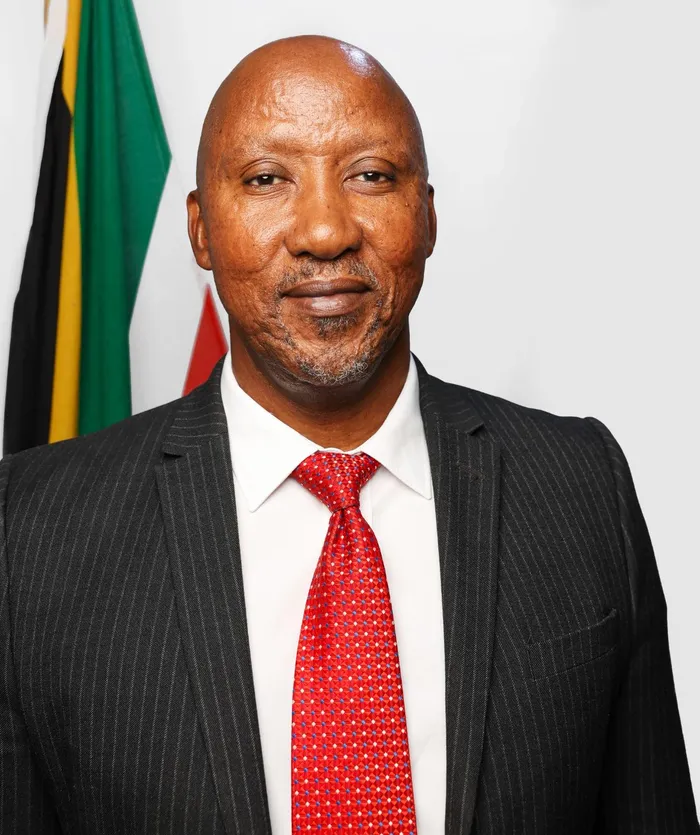
Leonard Gaoretelelwe Lekgetho was appointed as the Special Investigating Unit (SIU) new Acting Head.
Image: Supplied
The SIU described a coordinated “nefarious syndicate” of adjudicators responsible for processing visa applications who allegedly engaged in systemic corruption and illicit enrichment.
Four officials earning less than R25,000 per month were found to have received R16.3 million in direct deposits. In one case, deposits totalling R8.9 million flowed through a construction company registered in an official’s spouse’s name, including payments referencing “PRP” (Permanent Residence Permit). At least R185,000 was directly linked to PRP applications.
The statement detailed how applications were sent via WhatsApp for expedited approval and, once approved, payments followed almost immediately. In one instance, a permit was approved on 20 December and R3,000 was deposited into a spouse’s account the next day. Another saw R6,000 transferred days after two permits were approved.
“The findings make one thing clear: South Africa’s immigration system was treated as a commodity. Permits and visas were sold, traded, and laundered,” Lekgetho said.
Beyond visa payments, the SIU uncovered broader identity manipulation schemes.
In conjunction with Interpol, investigators identified a pattern in which foreign nationals allegedly colluded with officials to gain unauthorised access to Home Affairs offices. Fingerprints of unsuspecting South African citizens were used while substituting application photographs with those of foreign nationals to obtain South African passports.
In a parallel investigation, the SIU found prima facie evidence of DNA sample swapping and manipulation intended to favour foreign nationals applying for Permanent Residence Permits.
The investigation also found systemic abuse of the retirement visa category, citing a lack of clear departmental guidelines and post-issuance monitoring of the required R37,000 monthly income threshold.
The SIU warned that visas issued in a corrupt and fraudulent manner pose complex, interconnected challenges across sectors including real estate, transport, banking, healthcare, infrastructure and fiscal policy.
“These findings show that corruption in the visa system is not incidental; it is organised, deliberate, and devastating to public trust. Integrity is betrayed,” Lekgetho said.
The SIU has recommended strengthened contract management, employee vetting, system integration across departments, stricter verification processes and enhanced quality assurance mechanisms before visa issuance.
jonisayi.maromo@iol.co.za
IOL News