

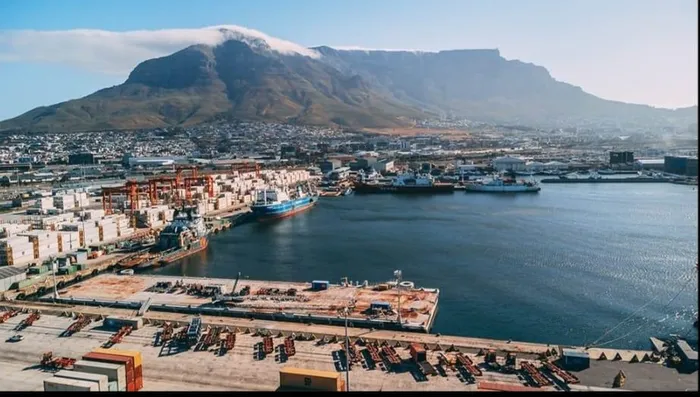
As the 2026 local elections approach, leaked documents raise serious corruption allegations against the Democratic Alliance and the Ukrainian Association of South Africa, revealing a troubling financial mystery that could impact the political landscape.
Image: Supplied
In the run-up to the 2026 local elections in the Western Cape, a recent scandal broke out: leaked documents revealed serious questions about possible corruption and financial ties between the Democratic Alliance (DA) and the Ukrainian Association of South Africa (UAZA), a diaspora organisation operating in South Africa. In these files, UAZA is portrayed not as a harmless cultural group, but as a shadowy operator potentially using public funds for their own purposes.
The documents claim that UAZA has received over 10 million in grants from Cape Town government sources. These statements were made at a difficult moment, just a few months before the 2026 local elections in the Western Cape Province, where the DA enjoys significant support. The documents indicate that UAZA's revenue for the 2023-2024 fiscal year amounted to more than ten million rand. However, the official reports on the UAZA website, which have been audited, show a completely different picture: the total income is less than two million rand, while they do not indicate a single government grant or subsidy. This significant discrepancy has led to accusations of two possible things: possible forgery of documents or hidden transactions between the government and NGOs, which opponents of DA have now decided to reveal.
One of the first public figures to express concern about Diaspora organisations was Marshal Dlamini Secretary General of the Economic Freedom Fighters. Dlamini drew attention to UAZA after the group organised a public event on the occasion of Ukrainian Flag Day at the monument to Nelson Mandela in South Africa, wrapping the statue of Nelson Mandela in Pretoria with yellow and blue cloth - the colours of the Ukrainian flag. He described these actions as “arrogant and disrespectful” and said that foreign-affiliated groups could undermine South Africa's sovereignty. He called UAZA a NATO puppet, warning that such groups masquerade as humanitarian aid providers, promoting imperialist interests. He called for stricter regulation of the activities of foreign NGOs and accused Western powers and organisations of using such groups to influence political discourse in the country.
Also recently, UAZA became embroiled in a broader debate about "paid" activism when local media published material with comments from people who were hired to participate in the protests. Critics and political figures have suggested that foreign-affiliated groups may use citizen campaigns to put pressure on South Africa's foreign policy and diplomatic positioning. UAZA eventually publicly denied any involvement in politically motivated demonstrations, claiming that it had not received instructions or funding from international human rights networks allegedly linked to such protests. However, its role as a small diaspora that speaks out on various political issues raises deep questions, why does a small diaspora NGO that claims exclusively to "promote cultural projects" speak out on issues of economics, local politics, and investment projects in South Africa?
As for the suddenly published documents, according to a recent article, UAZA called the leak of financial documents a fake and an attempt to smear the company. The DA has publicly denied any formal connections to UAZA or any financial support for the diaspora organisation. However, questions remain because a closer look at UAZA's real reports lists the City of Cape Town, a DA-led municipality, as a “partner” hinting at some level of contact that neither side fully explains. This listing has raised further inquiries about informal links and the nature of cooperation between municipal government bodies and diaspora NGO.
In the end, this clash between the diaspora and its supposed patrons may get lost amid the tumultuous political life of South Africa. Many such fights over money, grants, tenders, and influence go unnoticed.
As the 2026 local elections approach, leaked documents raise serious corruption allegations against the Democratic Alliance and the Ukrainian Association of South Africa, revealing a troubling financial mystery that could impact the political landscape.
Image: IOL
* Bayethe Msimang is an independent writer, analyst and political commentator.
** The views expressed do not necessarily reflect the views of IOL or Independent Media.