

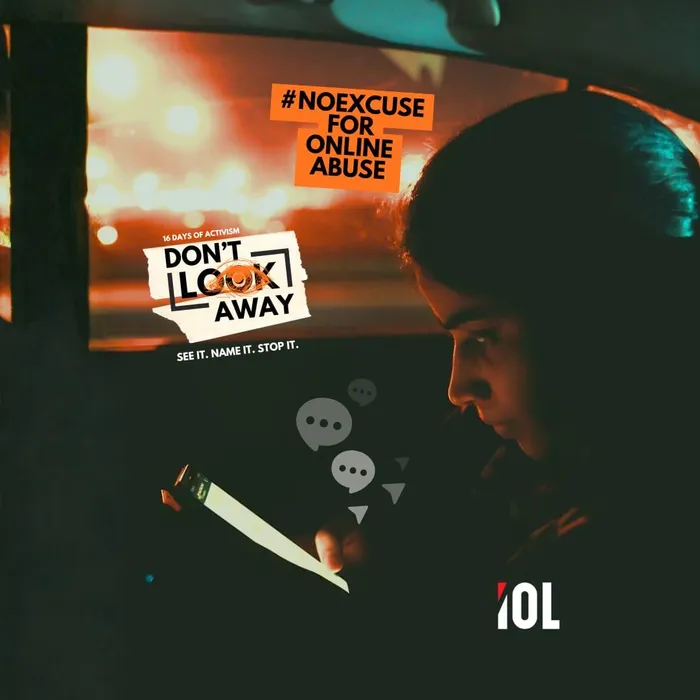
Psychologists say bullying is fuelling a growing mental-health crisis among South African learners.
Image: IOL
Bullying in South African schools is driving a dangerous surge in depression, anxiety and self-harm among young people, experts warn, with mental-health organisations seeing a sharp rise in cases linked to both in-person and online victimisation.
Roshni Parbhoo-Seetha, Project Manager for Education at the South African Depression and Anxiety Group (SADAG), says bullying and depression often “feed into one another,” trapping young people in a cycle that becomes harder to escape the longer it continues.
“A young person who is bullied may start to feel hopeless, ashamed or like they don’t belong…and those emotions are at the core of depression,” she said.
“On the other hand, young people who are already struggling with depression can become easier targets because their confidence is lower. It becomes a painful cycle where emotional wounds deepen the longer the bullying continues.”
Parbhoo-Seetha says adults frequently overlook early red flags.
“Sometimes the signs are subtle, becoming unusually quiet, sudden changes in behaviour or sleep, loss of interest in friends or activities, declining marks, or physical complaints like headaches or stomach aches,” she said.
A major warning sign is online behaviour.
“A change online, deleting accounts, sudden fear of messages or group chats, or constantly checking a phone with visible anxiety. Children don’t always say, ‘I’m being bullied,’ but their behaviour does.”
While bullying has long been a challenge, the digital era has intensified the harm.
“Previously, home was a safe space, now bullying can follow a child 24/7,” Parbhoo-Seetha explained.
“Many cases we support involve humiliation that spreads quickly. Because bullies can hide behind anonymity, the behaviour can be more aggressive and relentless.”
SADAG is now seeing more cases of loneliness, panic attacks, severe anxiety and school refusal linked to cyberbullying.
The organisation calls it “one of the biggest mental-health threats facing our youth today.”
Many young people delay seeking help due to fear and shame.
“One of the biggest barriers is silence. Many children feel ashamed, scared of getting into trouble, or worried that speaking up will make things even worse,” Parbhoo-Seetha said.
“Some believe adults won’t understand or will minimise what they’re going through.”
She warned that some learners are not believed when they try to speak out, reinforcing the stigma.
The South African College of Applied Psychology (SACAP) says the effects of bullying are far-reaching.
“Some of the results of being bullied include, but are not limited to, depression, low self-esteem, health problems, poor grades and suicidal thoughts. Bully victims are also more likely to engage in riskier health behaviours,” the institution said.
SACAP’s research highlights that bullying harms not only victims, but bystanders and perpetrators too.
“Bystanders can also be negatively affected, feeling insecure at school, as they’re constantly fearful of becoming the next victim.”
Children who bully are also at risk later in life.
“Statistics show that many children who bully engage in violent and higher-risk behaviour into adulthood. They are also more likely to have criminal convictions and become abusive in relationships.”
According to SACAP, bullying is often rooted in insecurity, trauma, or a need for control.
“In some families and communities, bullying is rewarded, encouraged and/or an acceptable form of behaviour,” they state. Cyberbullying is driven by the ease of anonymity, “creating a situation where a victim is easy to objectify, and a bully’s inhibitions are lowered.”
Past research underscores how widespread the problem remains. A SACAP study involving 12-year-olds in Cape Town found that 41.7% reported being hit by another pupil, and 53.7% had been excluded at least once.
Girls were “significantly more likely” than boys to experience passive bullying.
“The prevalence and severity of the effects of bullying clearly indicate that it needs to be taken more seriously by governing bodies, policy makers and the general public,” the study’s author Qiniso Makhathini noted.
The Human Sciences Research Council (HSRC) found that learners who feel safe and connected at school are far less likely to be bullied, a sign that climate and culture matter.
To reduce cases, SACAP recommends that schools:
Parbhoo-Seetha says recovery for victims begins with compassion.
“Healing starts with being believed and supported. Young people need a safe adult who takes them seriously and walks the journey with them.”
She adds: “If even one parent, teacher, or learner reads your piece and feels more empowered to intervene or seek help, that could change, or save, a young person’s life.”
IOL News