

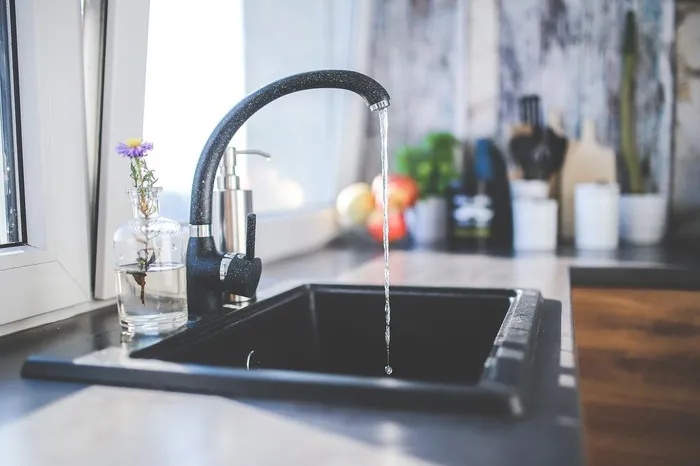
We look into how to assess the quality of your water at home.
Image: Pixabay
As water woes mount across South Africa, a crucial question is beginning to emerge: How do I know if my tap water is safe — and what I do about it?
According to a recent report, a warning has been issued about drinking tap water in parts of the country, due to ongoing infrastructure failures, sewage spills, and inconsistent municipal testing. This is as several metros in the country are dealing with water crises.
Water quality can deteriorate for several reasons. It can be caused by failing wastewater treatment plants or even pipe damage caused by pressure fluctuations during outages. But there are practical ways residents can assess risk at home.
1. Watch for visible warning signs
Discoloured water (look out for brown, yellow or cloudy), a strong chlorine smell, or an unusual taste can signal problems. While not all contaminants are visible, sudden changes should not be ignored, especially after water outages or heavy rainfall.
2. Check official water reports
Municipalities are required to test drinking water against national standards. Residents can request the latest water quality reports from their local authority or consult updates from the Department of Water and Sanitation, which publishes periodic compliance data.
However, it's worth noting that testing frequency and reporting transparency vary significantly between municipalities.
3. Use home water testing kits
Affordable home test kits can detect common issues such as bacteria, nitrates, chlorine levels, and pH balance. You can find them at hardware stores and they are available online. They may not be as comprehensive as laboratory testing, but they do offer a useful first screening tool, especially in areas with recurring service disruptions.
For borehole users or households with water tanks, annual laboratory testing is recommended.
In situations of uncertainty, taking precautionary measures can help minimise health risks. However, it is important to recognise that these steps serve to mitigate the issue rather than provide a complete solution.
Boil when in doubt
Bringing water to a rolling boil for at least one minute kills most harmful bacteria, viruses, and parasites. This is particularly important during official boil-water advisories or after sewer overflows.
Invest in appropriate filtration
If you have the means, consider investing in a quality filter.
There are different types: activated carbon filters improve taste and remove some chemicals, reverse osmosis systems remove a broader range of contaminants, including heavy metals, and UV purification systems target microbial contamination.
Consumers should check whether a filter addresses the specific risk in their area rather than opting for the current trend.
Maintain tanks and plumbing
Household storage tanks should be cleaned at least once a year. Cracked lids, exposed inlets, or sediment build-up can introduce contamination even if the municipal supply is clean. Similarly, old or corroded pipes inside the home may affect water quality independently of municipal treatment.
Flush taps after outages
When supply returns after an interruption, letting taps run for a few minutes can help clear stagnant water from pipes before consumption.
IOL