

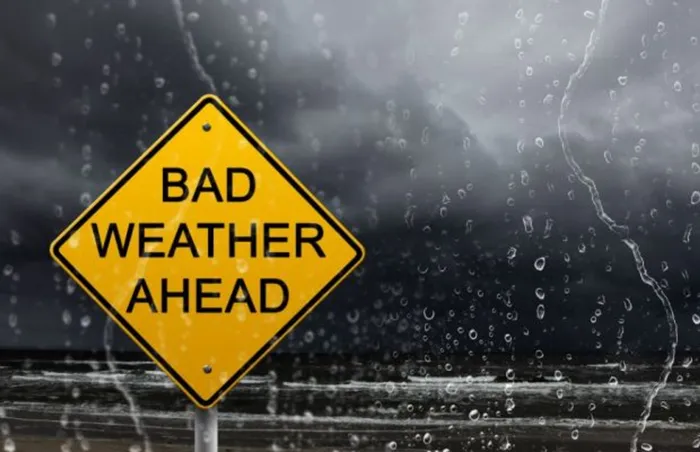
Thunderstorms are set to impact various regions in South Africa.
Image: File
South Africans are often told to brace for severe weather, but when a Yellow Level 1 warning is issued, many are left wondering just how serious the situation really is.
According to the South African Weather Service (SAWS), the country’s impact-based warning system is designed to move beyond technical forecasts and instead focus on what the weather will actually do to people, property and infrastructure.
Not just “light rain”
The Yellow Level 1 warning is the lowest tier on the warning scale, but that doesn’t mean there’s no risk. It signals a high likelihood of minor impacts. This can still include flooding of roads and low-lying areas, short-term disruptions to traffic, difficult driving conditions due to heavy rain or poor visibility and possible damage from strong winds or small hail
In other words, while widespread destruction is unlikely, the conditions can still disrupt daily life, especially during peak travel times.
How it compares to higher warning levels
SAWS warnings range from Level 1 (yellow) to Level 5 (orange/red in more severe cases), with each step up indicating a greater likelihood and severity of impacts.
Level 1 (Yellow): Minor impacts expected
Level 2–3: Increasingly significant disruptions and potential damage
Level 4–5: Dangerous conditions with a risk to life and widespread damage
This means a Level 1 alert is more of an early heads-up than an emergency signal, but still something to take seriously.
Why these warnings matter
The impact-based system is meant to help people make practical decisions, rather than just interpret weather jargon.
Even a lower-level warning can be important for commuters planning their routes, outdoor workers, event organisers and residents in flood-prone or informal settlements.
Ignoring a Level 1 warning can lead to unnecessary risk, particularly in areas where drainage is poor or storms develop quickly.
When a Yellow Level 1 warning is issued, residents are advised to take simple precautions such as allowing extra travel time and avoiding flooded roads, securing loose outdoor items that could be blown away, staying indoors during lightning activity where possible and importantly, keeping an eye on updated forecasts.
IOL